
CPU: Central Processing Unit
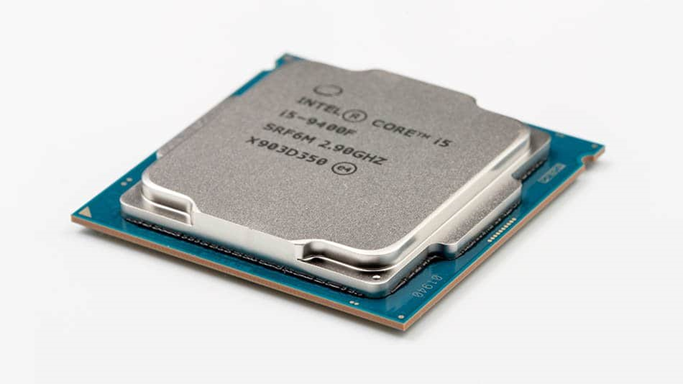
The CPU, or Central Processing Unit, is like the brain of your computer. It’s a tiny chip that does all the thinking and processing. Here’s what you need to know in simple terms:
1. What it does: The CPU’s main job is to execute instructions and perform calculations. It’s responsible for running programs, processing data, and managing all the tasks your computer needs to do.
2. How it works: The CPU has multiple cores, which are like mini-brains that can work on different tasks at the same time. Each core can execute instructions independently, allowing the CPU to multitask and handle multiple processes simultaneously.
3. Clock speed: Clock speed, measured in gigahertz (GHz), is how fast the CPU can process instructions. A higher clock speed means the CPU can perform more tasks in less time, leading to faster overall performance.
4. Cache: The CPU has a small amount of memory called cache, which stores frequently used data and instructions for quick access. This helps speed up processing by reducing the time it takes to fetch data from the computer’s main memory.
5. Importance: The CPU is the most important component of your computer, as it determines how fast and efficiently your computer can run. A faster CPU means faster performance, smoother multitasking, and better overall user experience.
6. Considerations: When choosing a CPU, consider factors like the number of cores, clock speed, cache size, and compatibility with your motherboard. Think about what you’ll be using your computer for and choose a CPU that meets your needs without overspending.
In simple terms, the CPU is like the brain of your computer, doing all the thinking and processing to make everything work smoothly.
