
Fourth Generation Computers – Personal Computing, Software, and Digital Connectivity
Introduction
The fourth generation of computers represents a major milestone in the evolution of computing, spanning roughly from the mid-1970s to the mid-1990s. During this period, computers began to closely resemble the systems we use today.
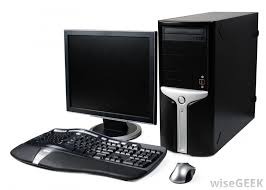
This generation marked the transition from large institutional machines to personal computers (PCs) that were affordable, user-friendly, and accessible to the general public. Advances in hardware, software, storage, and networking transformed computers into essential tools for productivity, communication, education, and entertainment.
Personal Computers Become Mainstream
One of the most significant developments of the fourth generation was the widespread adoption of personal computers.
Technology companies such as IBM, Apple, and Commodore introduced popular and affordable PC models, including the IBM PC, Apple Macintosh, and Commodore 64. These systems brought computing into homes, schools, and small businesses for the first time.
Personal computers made it possible for individuals to perform tasks such as document creation, data management, and basic programming, marking a major shift in how computing technology was used.
Introduction of Microprocessors
A key technological breakthrough of the fourth generation was the introduction of the microprocessor.
Microprocessors integrated the central processing unit (CPU) onto a single chip, dramatically reducing computer size while increasing speed and affordability. This innovation revolutionised computer design and manufacturing.
Microprocessors enabled:
- Smaller and more powerful computers
- Lower production costs
- Widespread adoption of computing technology
They played a central role in making personal and commercial computing possible on a global scale.
Advancements in Integrated Circuits
Fourth-generation computers continued to benefit from major improvements in integrated circuit technology.
These advancements led to the development of more powerful components such as memory chips, input/output controllers, and graphics processors. As a result, computers were able to handle more complex tasks and support increasingly advanced applications.
Improved integrated circuits enhanced overall system performance and reliability across business, education, and consumer environments.
Expansion of Storage Capacity
Significant progress was also made in data storage technology during the fourth generation.
New storage media were introduced, including:
- Floppy disks
- Hard disk drives
- Optical storage such as CDs and DVDs
These technologies increased storage capacity and reliability, allowing users to store, manage, and access larger amounts of data efficiently. Expanded storage played a crucial role in supporting software applications, digital media, and long-term data management.
Software Development
The fourth generation saw major advancements in software development.
High-level programming languages became more sophisticated, and new tools such as integrated development environments (IDEs) and software libraries were introduced. These improvements made it easier for developers to create, maintain, and distribute applications.
Software development expanded rapidly across areas such as:
- Productivity software
- Educational applications
- Business systems
- Entertainment and multimedia
This era laid the foundation for the modern software industry.
Graphical User Interfaces (GUIs)
Another defining feature of the fourth generation was the introduction of graphical user interfaces (GUIs).
GUIs replaced text-based command systems with visual elements such as windows, icons, menus, and pointers. This made computers far more user-friendly and accessible to non-technical users.
Graphical interfaces played a major role in increasing computer adoption and improving user experience across personal and professional computing environments.
Networking and Connectivity
During the fourth generation, computers also improved significantly in how they connected and communicated with one another.
Local area networks (LANs) and wide area networks (WANs) became more common, allowing computers to share resources, exchange data, and collaborate more effectively.
These networking advancements helped create the foundation for today’s interconnected digital world, supporting communication, information sharing, and distributed computing.
Topic Summary
Fourth-generation computers transformed computing from a specialised tool into a widely used personal and professional resource. The introduction of microprocessors, expanded storage, advanced software, graphical interfaces, and networking capabilities made computers more powerful, accessible, and interconnected.
This generation laid the groundwork for modern personal computing, software platforms, and digital connectivity, shaping how computers are used in everyday life today.
