
Fifth Generation Computers – Artificial Intelligence, Networking, and Emerging Technologies
Introduction
The fifth generation of computers represents the most advanced stage in the evolution of computing, spanning from the late 1980s to the present day. This era is defined by rapid innovation, increasing processing power, and the integration of intelligent systems into everyday technology.
Fifth-generation computers focus on advanced computing concepts such as artificial intelligence, high-speed networking, multi-processing, and emerging digital technologies. In this topic, learners will explore how modern computers became more intelligent, connected, and powerful, and why they play a critical role in today’s digital world.
Mobility and Portable Computing
One of the defining trends of fifth-generation computers is mobility.
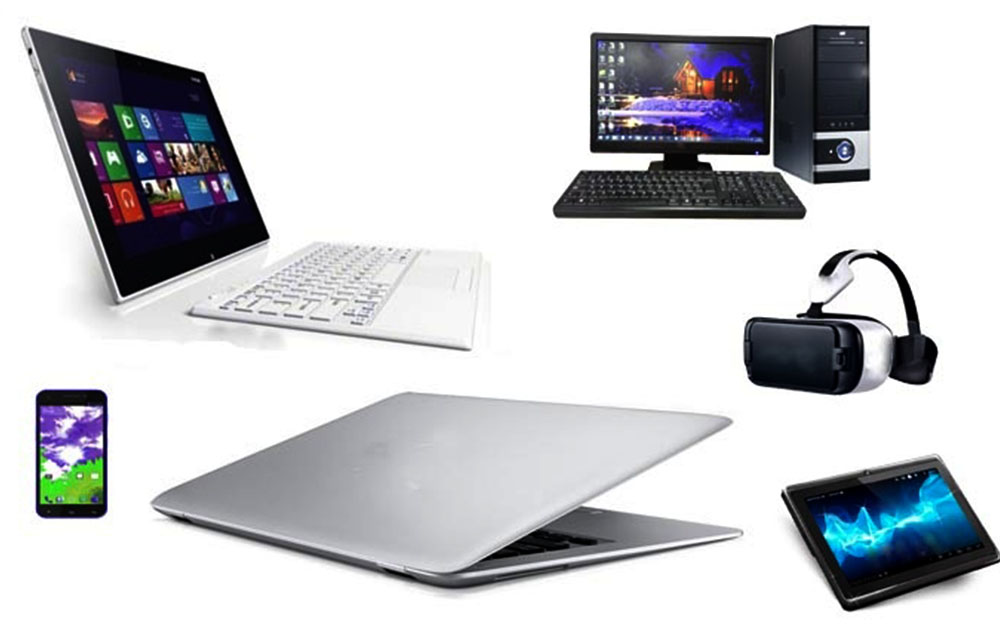
Advancements in hardware miniaturisation led to the development of smaller, more portable devices such as laptops, smartphones, tablets, and wearable technology. These devices became increasingly powerful, allowing users to access information, communicate, and perform tasks from almost anywhere.
Mobile computing transformed how people work, learn, and interact with digital systems, making technology more accessible and flexible.
Evolution of Networking and the Internet
Fifth-generation computers experienced major advancements in networking technology, leading to the growth of the Internet and the World Wide Web.
This global network of interconnected computers revolutionised communication, commerce, and information sharing. Users could now access data instantly, collaborate remotely, and connect with systems across the world.
Networking advancements laid the foundation for modern online services, cloud platforms, and digital communication tools.
Integration of Microprocessors
During this generation, microprocessors continued to evolve and became integrated into a wide range of devices.
Computers, smartphones, tablets, and smart devices all rely on powerful microprocessors to deliver fast performance and advanced functionality. These processors enabled devices to become smaller, more efficient, and more affordable.
The widespread integration of microprocessors helped make advanced computing available to the general public and supported the growth of personal and mobile technology.
Development of Supercomputers
Fifth-generation computing also saw significant progress in the development of supercomputers.
Supercomputers are designed to process massive amounts of data and solve highly complex problems at extreme speeds. They are used in areas such as weather forecasting, scientific research, cryptography, and engineering simulations.
These systems demonstrate the upper limits of computing power and play a vital role in research, innovation, and large-scale data analysis.
Advances in Artificial Intelligence (AI)
A key characteristic of fifth-generation computers is the emphasis on artificial intelligence (AI) and machine learning.
Researchers focused on developing systems capable of performing tasks that require human-like intelligence, such as reasoning, pattern recognition, decision-making, and language processing.
AI technologies include:
- Expert systems
- Neural networks
- Natural language processing
- Machine learning algorithms
These advancements allow computers to analyse data, learn from experience, and adapt to new information.
Introduction of Multi-Processing
Fifth-generation computers also introduced widespread use of multi-processing.
Multi-processing allows multiple processors or cores to work together simultaneously, improving speed and efficiency. This approach enables computers to handle complex tasks, large data sets, and demanding applications more effectively.
Multi-processing plays a key role in modern computing environments, including cloud platforms, data centres, and high-performance systems.
Emerging Technologies
Fifth-generation computers paved the way for a range of emerging technologies that continue to shape the digital world.
These technologies include:
- Cloud computing
- Virtual reality (VR)
- Augmented reality (AR)
- Internet of Things (IoT)
Emerging technologies expand the capabilities of computing systems and transform how people interact with technology in their personal and professional lives.
Topic Summary
Fifth-generation computers represent the most advanced stage of computing evolution, characterised by intelligence, connectivity, and high performance. Advances in artificial intelligence, networking, mobile computing, and emerging technologies have transformed computers into powerful tools used across every industry.
By understanding fifth-generation computers, learners gain insight into modern digital systems and the technologies that drive today’s interconnected and intelligent world.
