
Second Generation Computers: Transistors, Memory Systems, and Business Computing (1956–1963)
Introduction
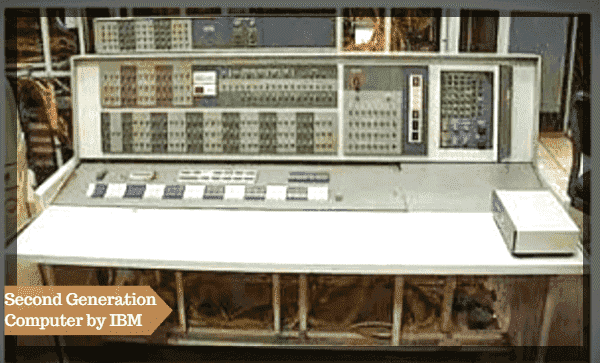
The second generation of computers marked a major turning point in the evolution of computing. Developed between 1956 and 1963, these computers introduced new technologies that significantly improved performance, reliability, and energy efficiency.
Unlike first-generation computers, which relied heavily on vacuum tubes, second-generation computers used more advanced electronic components. These improvements reduced system size, lowered heat output, and decreased power consumption, making computers more practical and reliable for wider use in business, science, and government environments.
In this topic, learners will explore the key technological innovations that defined second-generation computers and understand why this era was so important in the development of modern digital systems.
Technological Innovations
The most important advancements of second-generation computers focused on increasing processing speed, improving system reliability, and reducing energy usage. Several breakthrough technologies replaced older, less efficient systems and transformed how computers operated.
Transistors
One of the most significant innovations of the second generation was the transistor.
Transistors replaced bulky vacuum tubes, which were large, fragile, and generated excessive heat. In comparison, transistors were much smaller, more durable, and far more energy-efficient.
This change made computers:
- More reliable and stable
- Less prone to overheating
- More efficient in terms of power usage
The introduction of transistors played a critical role in making computers faster, smaller, and more dependable than earlier machines.
Core Memory
Another major development during this era was the introduction of core memory.
Core memory consisted of tiny magnetic rings used to store data. This system allowed computers to access information more quickly and with greater reliability than earlier memory technologies.
Core memory improved:
- Data access speed
- System stability
- Overall computer performance
As a result, computers were able to handle more complex tasks and process information more efficiently.
Magnetic Storage
Second-generation computers also introduced magnetic storage, including magnetic tapes and disks.
These storage technologies provided more reliable and durable methods for storing and retrieving data. Magnetic storage allowed computers to store larger volumes of information and supported better long-term data management.
This advancement made computers increasingly useful for businesses, research institutions, and government organisations that needed to manage growing amounts of data.
Key Advances of Second Generation Computers
The technological innovations of this era led to several important improvements:
- Energy Efficiency: Reduced power consumption
- Heat Reduction: Lower heat output and reduced cooling requirements
- Speed: Faster data processing and calculations
- Size Reduction: More compact computer systems
- Memory and Storage: Improved data storage and information management
Together, these advances made computers more practical, reliable, and efficient than ever before.
Topic Summary
Second-generation computers represented a major advancement in computing technology. The introduction of transistors, core memory, and magnetic storage transformed computers into faster, more reliable, and energy-efficient systems.
These improvements laid the foundation for future generations of computers and played a key role in the development of modern digital technology and business computing systems.
