
Safe Refrigeration and Freezer Practices
How to Store Food Safely in Fridges and Freezers
Safe Refrigeration and Freezer Practices are essential to keep food fresh and stop harmful bacteria from growing. Proper use of your fridge and freezer helps prevent food poisoning and waste. It is important to understand key steps to store food correctly in these appliances.
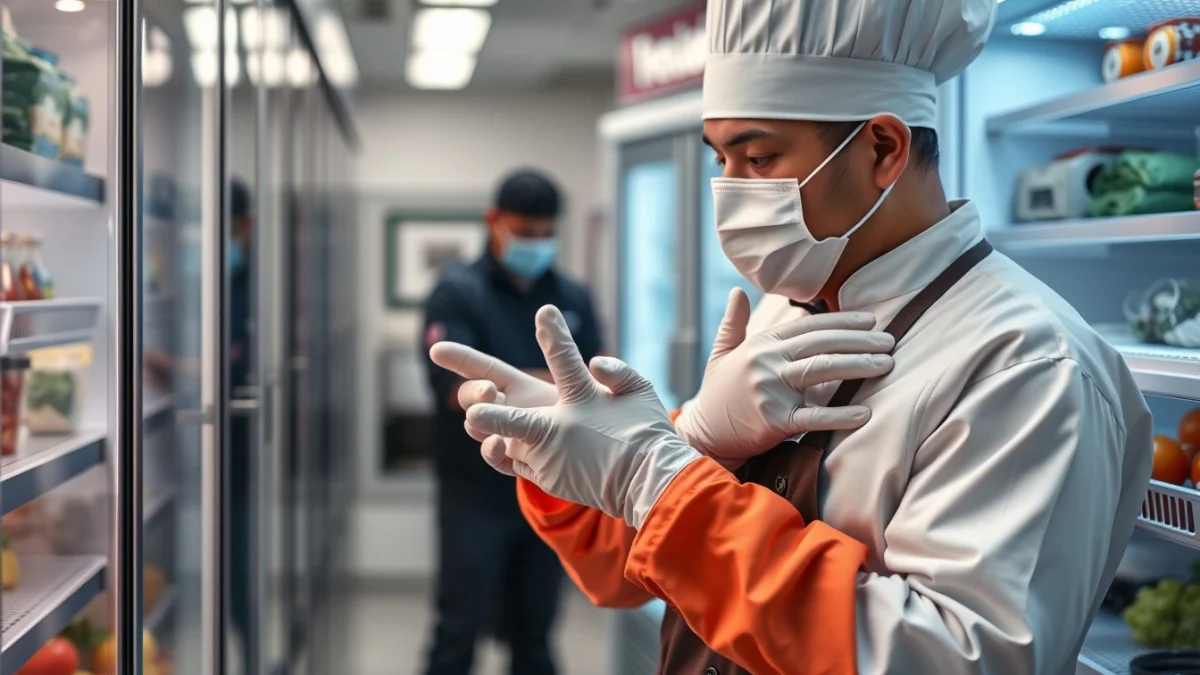
Firstly, always check that your fridge temperature is at or below 5°C. This temperature slows down bacteria growth. Your freezer should be at -18°C or colder to keep food safe for a longer time. Use a fridge thermometer to monitor temperatures regularly.
When placing items in the fridge, keep raw meat and fish on the bottom shelf. This stops their juices from dripping onto other foods and causing contamination. Store cooked and ready-to-eat foods on higher shelves.
Always cover food with lids, foil, or plastic wrap. This helps keep moisture in and stops smells transferring between foods. It also protects your food from germs.
Do not overload the fridge or freezer. Cold air needs to flow freely around food to keep it at the right temperature. Overfilled appliances may not cool properly.
Make sure to cool hot food down before putting it in the fridge. Leaving hot food inside raises the fridge temperature and can cause other food to spoil.
Keep eggs in their original cartons and store them in the main fridge area, not in the door, where temperatures change often.
Tips for Freezer Storage
- Label all food with the date you froze it. This helps you use older items first.
- Don’t refreeze defrosted food unless it has been cooked.
- Wrap food tightly to avoid freezer burn and keep quality.
- Store food in small portions for quicker freezing and thawing.
- Regularly clean and defrost your freezer as needed to maintain efficiency.
Defrost food safely by placing it in the fridge overnight or using a microwave. Never defrost food by leaving it at room temperature, as this allows bacteria to grow quickly.
By following these Safe Refrigeration and Freezer Practices, you protect your health and keep food fresh longer. Proper storage is a simple step that supports good food hygiene in both homes and workplaces.
Live Scenario • Active Situation
You are a kitchen supervisor in a busy catering company responsible for managing fridge and freezer safety.
There is no single perfect answer. Choose what you would do in this situation.
