
Importance of Cleaning and Sanitising in Food Areas
The importance of cleaning and sanitising in food areas cannot be overstated. This practice is essential to keep food safe and prevent illness. Clean and germ-free food areas help reduce the risk of contamination from harmful bacteria, viruses, and pests.
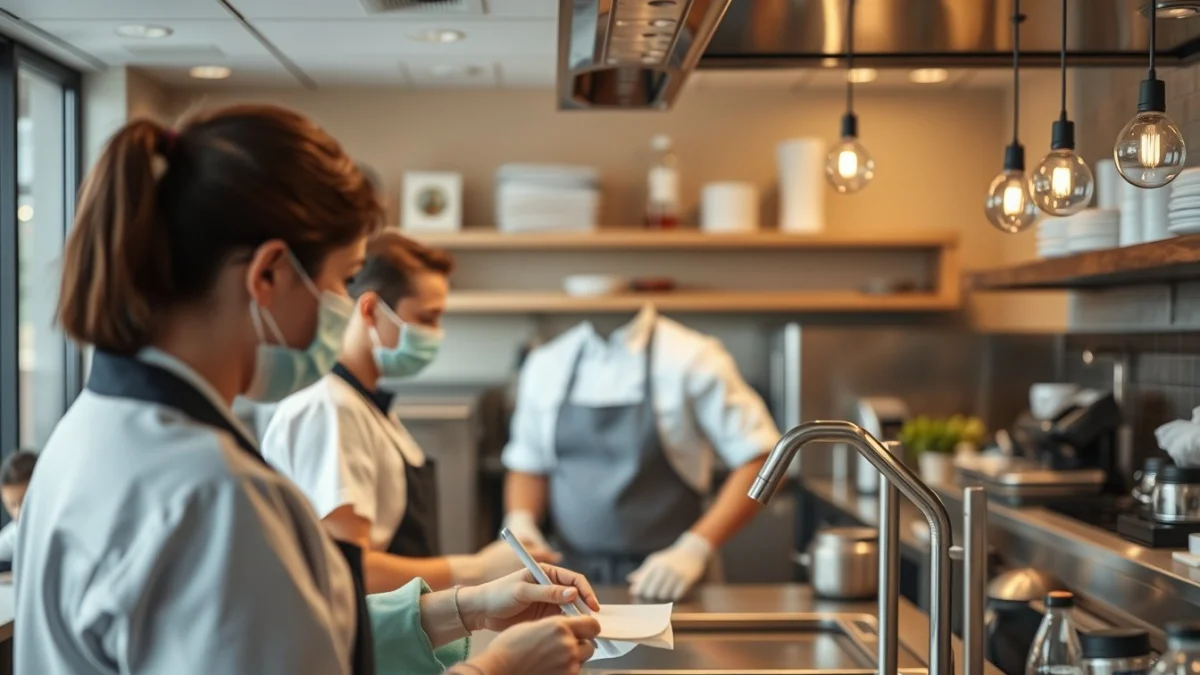
Why Cleaning and Sanitising Matters in Food Safety
Food areas, such as kitchens and preparation surfaces, are often exposed to dirt, food leftovers, and germs. If not cleaned and sanitised regularly, these can cause food contamination. Eating contaminated food may lead to food poisoning, which can range from mild discomfort to serious health problems.
Cleaning removes visible dirt, food particles, and debris from surfaces. However, cleaning alone does not kill germs. This is why sanitising is necessary. Sanitising uses chemicals or heat to kill or reduce harmful microbes to safe levels on surfaces that come into contact with food.
Regular cleaning and sanitising do the following:
- Protect health: It stops bacteria like Salmonella and E. coli from spreading, protecting customers and workers from foodborne illnesses.
- Maintain hygiene standards: Helps meet legal and industry hygiene requirements, avoiding fines or closure.
- Increase food shelf life: Helps keep food fresh longer by lowering germ levels.
- Prevent cross-contamination: Stops transfer of germs from one food or surface to another, especially important for allergens and raw meat.
- Improve customer confidence: A clean food area shows professionalism and care, encouraging customers to trust your business.
Failing to clean and sanitise food areas can lead to serious consequences. Food poisoning outbreaks can damage reputation and result in legal action. In a workplace, it can cause absences and lost productivity due to illness.
Key Steps to Clean and Sanitise Properly
- Remove food and waste: Clear surfaces of all food scraps and dirt before cleaning.
- Clean with detergent: Use warm water and detergent to wash all surfaces thoroughly.
- Rinse: Remove all soap and food particles by rinsing with clean water.
- Sanitise: Apply an approved sanitiser following the correct concentration and contact time.
- Air dry or use clean cloth: Let surfaces dry naturally or dry with a clean towel to avoid contamination.
Remember to clean and sanitise all tools, equipment, countertops, tables, and floors regularly. Pay special attention to areas that touch raw and cooked food to prevent cross-contamination.
In summary, the importance of cleaning and sanitising in food areas lies in protecting health, improving hygiene, and ensuring food safety. Keeping these areas clean reduces risks, keeps customers safe, and supports a successful food business.
Live Scenario • Active Situation
You are a kitchen supervisor responsible for ensuring food safety in a busy restaurant.
There is no single perfect answer. Choose what you would do in this situation.
