
Understanding Biological, Chemical, and Physical Contamination
Types of Contamination That Affect Food Safety
Understanding Biological, Chemical, and Physical Contamination is very important for keeping food safe and preventing foodborne illnesses. These three types of contamination can occur at any point during food preparation, storage, or serving. Knowing how they happen helps us stop food from becoming unsafe to eat.
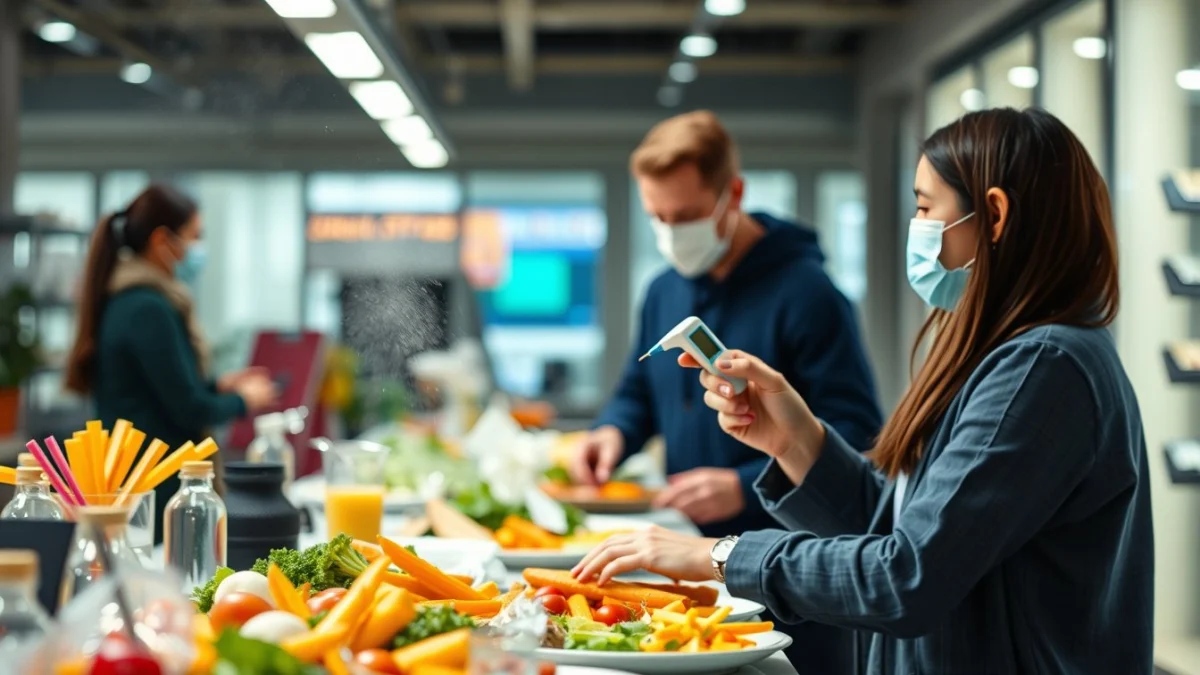
Biological contamination happens when harmful living organisms get into food. These include bacteria, viruses, parasites, and fungi. These tiny germs grow fast in food if it is not kept at the right temperature or handled properly. For example, bacteria like Salmonella and E. coli cause common food poisoning. They can come from raw meat, unwashed vegetables, or even dirty hands.
Chemical contamination happens when dangerous chemicals get into food. These can be pesticides from fruits and vegetables, cleaning products, or food additives used in the wrong amounts. Sometimes, chemicals also come from food packaging materials that are not food safe. Eating chemically contaminated food can cause poisoning or allergic reactions.
Physical contamination happens when foreign objects get into the food. These can be things like hair, glass shards, metal pieces, stones, or plastic. Physical contaminants can cause injury or make the food unpleasant to eat. This contamination often happens when food is not carefully checked or cleaned.
How Contamination Usually Happens
- Poor personal hygiene, like not washing hands before handling food
- Cross-contamination between raw and cooked food
- Using dirty utensils, surfaces, or equipment
- Improper food storage or temperature control
- Exposure to chemicals or non-food safe containers
- Lack of regular cleaning in the kitchen or food area
To keep food safe, you must control these types of contamination. Always wash your hands well, clean all tools and surfaces, store food at the right temperature, and be careful not to let raw food touch cooked food. Also, make sure no foreign objects end up in the food by checking food carefully before cooking and serving.
By understanding biological, chemical, and physical contamination, you will be better prepared to protect yourself and others from getting sick. Food safety starts with paying attention to these risks and following good hygiene and food handling practices every day.
Live Scenario • Active Situation
You are a kitchen supervisor at a busy restaurant responsible for food safety and hygiene.
There is no single perfect answer. Choose what you would do in this situation.
