
Correct Food Storage Temperatures
Why Correct Food Storage Temperatures Matter
Correct food storage temperatures are very important to keep your food safe. Food that is not stored at the right temperature can grow harmful bacteria. This can cause food poisoning and make people sick. Knowing the right temperature for different foods helps to stop bacteria from growing.
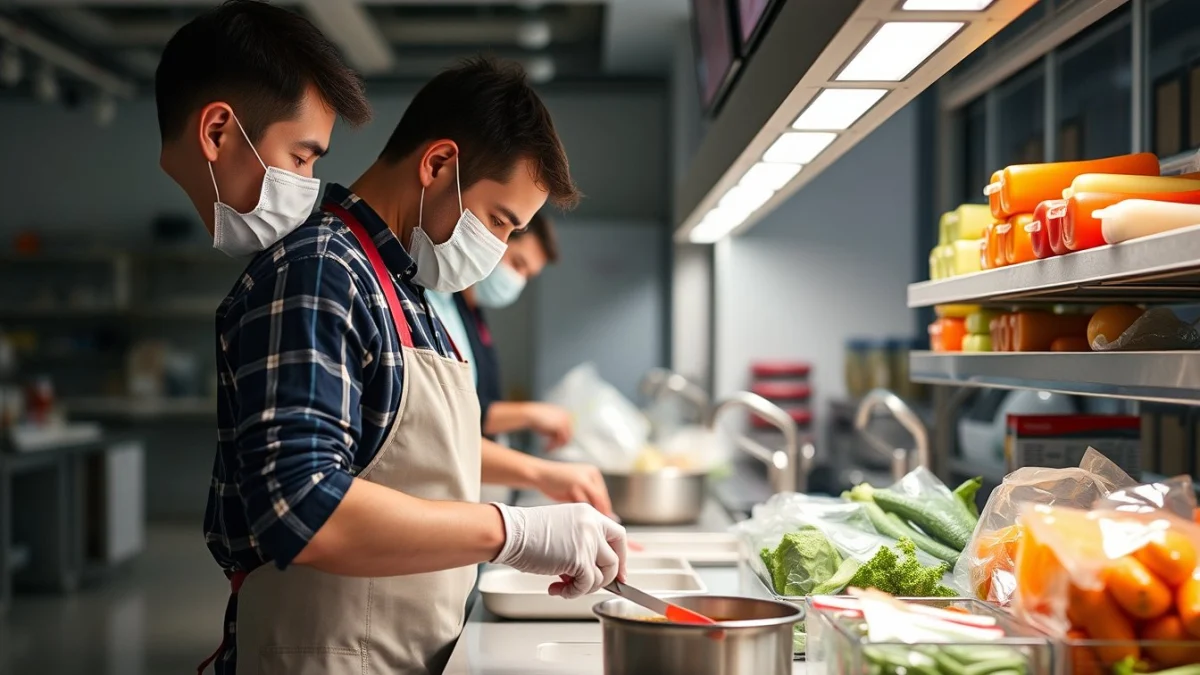
Different types of food need to be stored at different temperatures. Cold foods should be kept cold, and hot foods should be kept hot. If food is left in the “danger zone” temperature, between 5°C and 60°C, bacteria can multiply quickly.
Recommended Storage Temperatures
- Fridge: Keep at 1°C to 4°C. This is for fresh meat, dairy, cooked leftovers, and ready-to-eat foods.
- Freezer: Keep at -18°C or colder. This stops bacteria from growing and keeps food for a long time.
- Hot holding: Keep hot cooked food at 60°C or hotter until served to stop bacteria growth.
- Dry storage: Keep foods like rice, flour, and canned goods in a cool, dry place at around 10°C to 21°C. Avoid damp or hot areas.
Always check the temperature of your fridge and freezer with a food thermometer. This makes sure your food is kept at the best temperature. Do not overcrowd your fridge because air needs to circulate to keep food evenly cold.
When storing food, use airtight containers to prevent contamination and stop food from drying out. Label food with dates to remember when it was stored and use older food first. Always cool hot food down quickly before placing it in the fridge.
Following these simple rules about correct food storage temperatures will keep your family safe from harmful germs. It helps reduce food waste by making food last longer and keeps meals fresh and tasty.
Live Scenario • Active Situation
You are a kitchen supervisor at a busy restaurant responsible for checking food storage temperatures.
There is no single perfect answer. Choose what you would do in this situation.
