
Importance of Personal Hygiene in Food Preparation
The importance of personal hygiene in food preparation cannot be overstated. Good hygiene helps prevent food contamination, which can cause food poisoning and illnesses. When food handlers maintain clean habits, they protect both themselves and the people who eat the food.
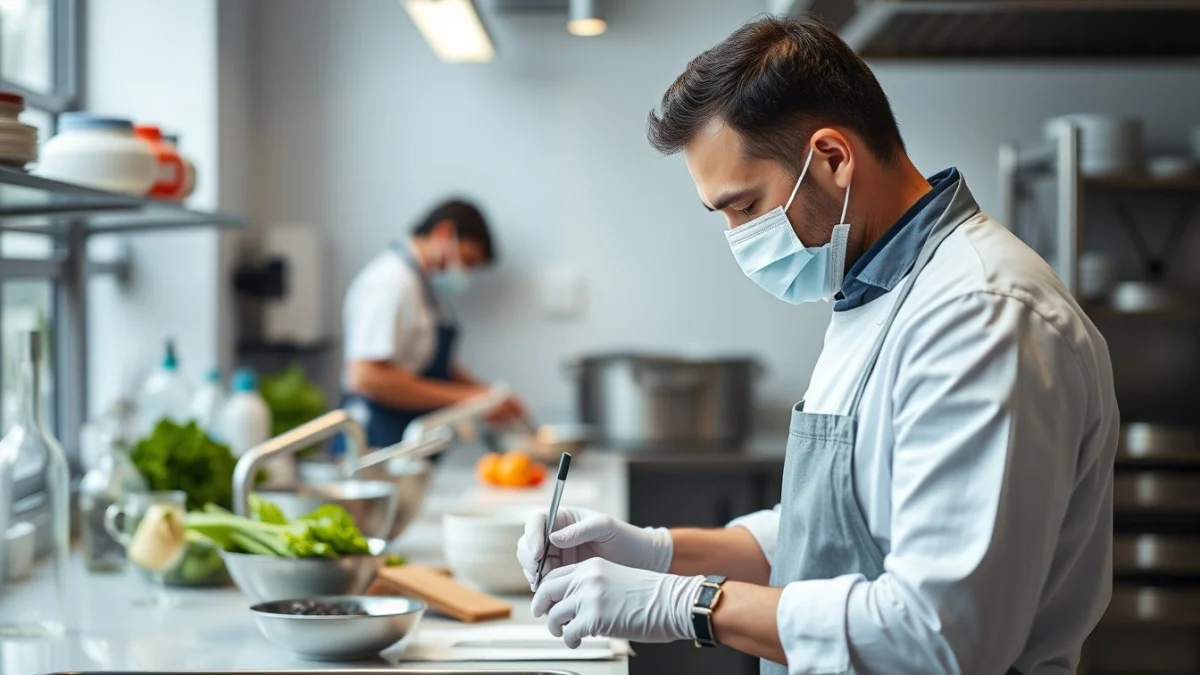
How Personal Hygiene Affects Food Safety
Bacteria and viruses can easily spread from a person to food if hygiene is poor. For example, dirty hands or clothing can carry germs that multiply quickly in food. This can lead to outbreaks of foodborne diseases.
Food preparation areas are especially sensitive. Clean hands and body stop germs from moving onto food, utensils, and surfaces. If a food handler is sick or has a wound, they must take extra care or avoid handling food to not spread infection.
Washing your hands properly and frequently is one of the simplest ways to reduce the risk of food contamination. Hands should be washed before starting work, after using the bathroom, after touching face or hair, and after handling raw food.
Key Personal Hygiene Practices in Food Preparation
- Wash hands with soap and warm water for at least 20 seconds.
- Keep fingernails short and clean; avoid nail polish and artificial nails.
- Wear clean clothes and an apron to protect food from germs on your clothing.
- Cover cuts and wounds with waterproof dressings and gloves.
- Avoid touching your face, hair, or any other body parts while preparing food.
- Do not prepare food if you are sick or have symptoms like vomiting or diarrhea.
- Tie back long hair or use a hairnet to stop hair from falling into food.
- Remove jewellery that can trap dirt or fall into food.
These simple steps reduce the chance of food becoming unsafe. It protects customers and keeps the food business trustworthy and compliant with health regulations.
In South Africa, foodborne illnesses are common due to poor food handling. By understanding the importance of personal hygiene in food preparation and practising it daily, food handlers contribute to safer food and healthier communities.
Remember, the quality and safety of food start with the person preparing it. Clean habits are the foundation of good food safety. Every learner in food handling should take personal hygiene seriously to help stop the spread of harmful germs.
Live Scenario • Active Situation
You are a food handler working in a busy catering kitchen preparing meals for a large event.
There is no single perfect answer. Choose what you would do in this situation.
