
Understanding Workplace Food Safety Policies
Key Points About Workplace Food Safety Policies
Understanding Workplace Food Safety Policies is important for anyone working with food in South Africa. These policies help protect both consumers and staff by preventing food contamination and illness. They are based on national laws and regulations that set clear rules about how to handle, prepare, and store food safely.
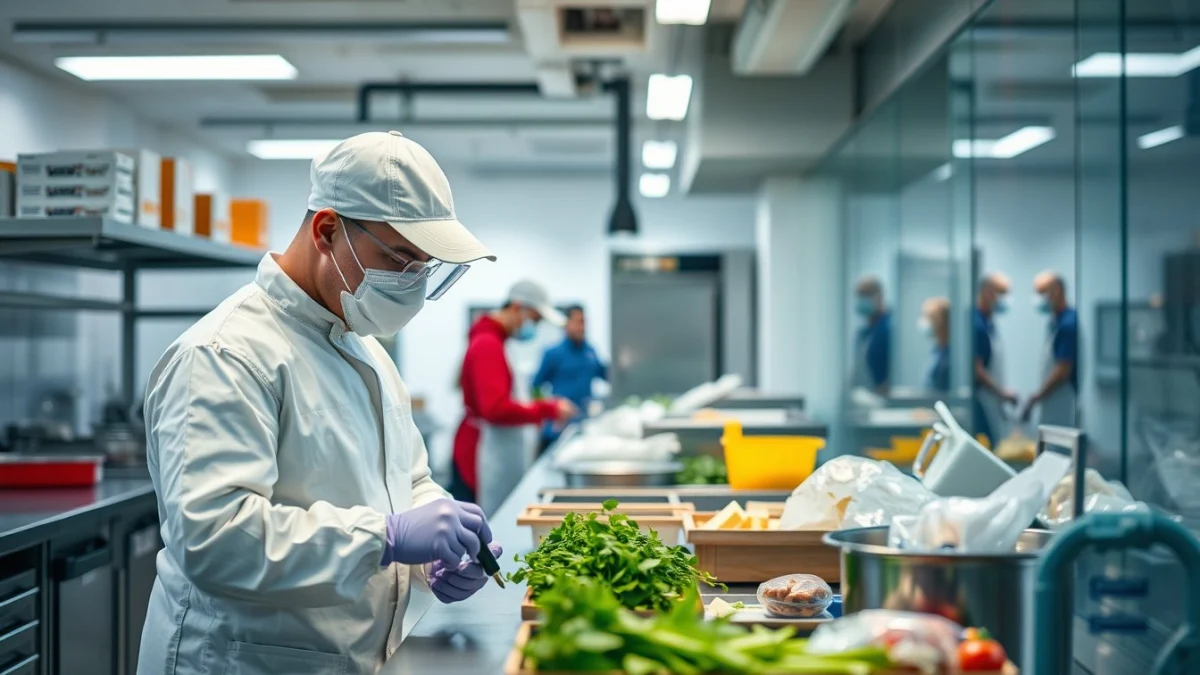
Workplace food safety policies explain what you must do every day at work to keep food safe. This includes cleaning and sanitising surfaces, storing food at the right temperatures, and avoiding cross-contamination. They also guide how to report any food safety issues or illnesses to supervisors or health authorities.
Following these policies is not optional. It is the law under the Foodstuffs, Cosmetics and Disinfectants Act and regulations managed by the Department of Health and the National Regulator for Compulsory Specifications (NRCS). Failure to follow food safety policies can lead to fines, closure of businesses, or even criminal charges.
Here are the main areas covered by workplace food safety policies:
- Personal Hygiene: Staff must wash hands regularly, wear clean clothing, and avoid working when sick.
- Food Handling: Safe preparation steps to avoid contamination.
- Storage: Keeping food at correct temperatures and in safe containers.
- Cleaning and Sanitising: Regular cleaning of surfaces, tools, and equipment.
- Control of Pests: Measures to prevent insects, rodents, and other pests.
- Training: Staff should receive regular training on food safety practices.
Understanding workplace food safety policies helps you keep your workplace safe. It also builds customer trust by showing that your business cares about health and quality. Make sure to learn your workplace’s specific food safety rules and always follow them.
This knowledge will help you pass your Food Safety and Hygiene Certificate Course and perform your job well. Remember, safe food handling is everyone’s responsibility in the workplace.
Live Scenario • Active Situation
You are a food handler in a busy restaurant kitchen in South Africa.
There is no single perfect answer. Choose what you would do in this situation.
