
Safe Preparation of Raw and Cooked Foods
Safe preparation of raw and cooked foods is essential to prevent foodborne illnesses and to keep food fresh and healthy. Knowing how to handle and cook food correctly helps stop harmful bacteria from growing and spreading. This guide will teach you important steps to prepare raw and cooked foods safely, especially in a South African kitchen.
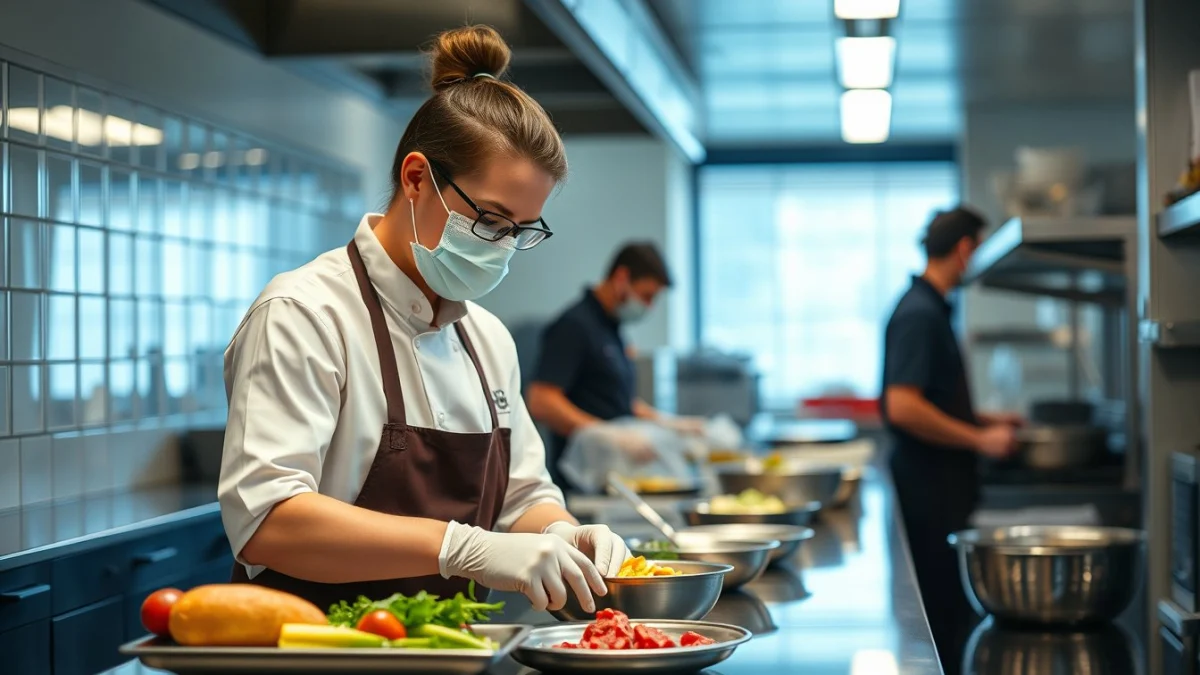
Key Steps for Keeping Food Safe During Preparation
When handling raw and cooked foods, always start with clean hands and clean surfaces. Wash your hands with soap and warm water for at least 20 seconds before touching any food. Also, clean all kitchen tools and cutting boards to stop bacteria from moving between foods.
Raw foods, like meat, chicken, and fish, can carry harmful bacteria. Always keep them separate from cooked foods to prevent cross-contamination. Use separate knives and chopping boards for raw and cooked items. Never place cooked food back on the same plate that held raw food unless it has been washed properly.
Important Practices for Handling Raw and Cooked Foods
- Separate: Keep raw meat and vegetables apart to avoid cross-contamination.
- Clean: Wash your hands, utensils, and surfaces regularly.
- Cook: Cook food to the right temperature to kill bacteria.
- Chill: Refrigerate leftovers quickly and store foods below 5°C.
- Use fresh ingredients: Avoid using spoiled or expired raw materials.
Cooking is the best way to kill harmful bacteria in food. Make sure you cook meat, poultry, and fish thoroughly. The inside should not be pink, and juices should run clear. Check foods with a food thermometer if possible. Foods that are improperly cooked may still carry bacteria that cause food poisoning.
After cooking, keep hot foods hot until you serve them. Hold hot meals above 60°C to stop bacteria from growing. If you want to store food, cool it down quickly before placing it in the fridge. Always refrigerate cooked food within two hours of preparation.
Leftovers must be reheated properly, reaching at least 74°C to destroy bacteria. Do not reheat food more than once as this increases the chance of contamination. When storing raw or cooked food, use airtight containers with clear labels, including dates, to keep track of freshness.
Safe preparation of raw and cooked foods also means being aware of personal hygiene. Wear clean clothes and use an apron if possible. Avoid touching your face, hair, or phone during food preparation. If you have cuts or wounds on your hands, cover them with a waterproof bandage before handling food.
Lastly, always check for signs of spoilage such as bad smell, slimy texture, or colour changes. Do not use any food that seems off, as this can cause illness. Following these practical steps will help you prepare food safely every time.
Live Scenario • Active Situation
You are a kitchen assistant at a busy catering company preparing buffet meals.
There is no single perfect answer. Choose what you would do in this situation.
