
Developing Effective Cleaning Schedules
How to Create Practical Cleaning Plans for Food Areas
Developing effective cleaning schedules is an important step in keeping food areas safe and hygienic. A cleaning schedule helps organise tasks, making sure every surface, equipment, and area is cleaned regularly. This is crucial in preventing food contamination and the spread of germs.
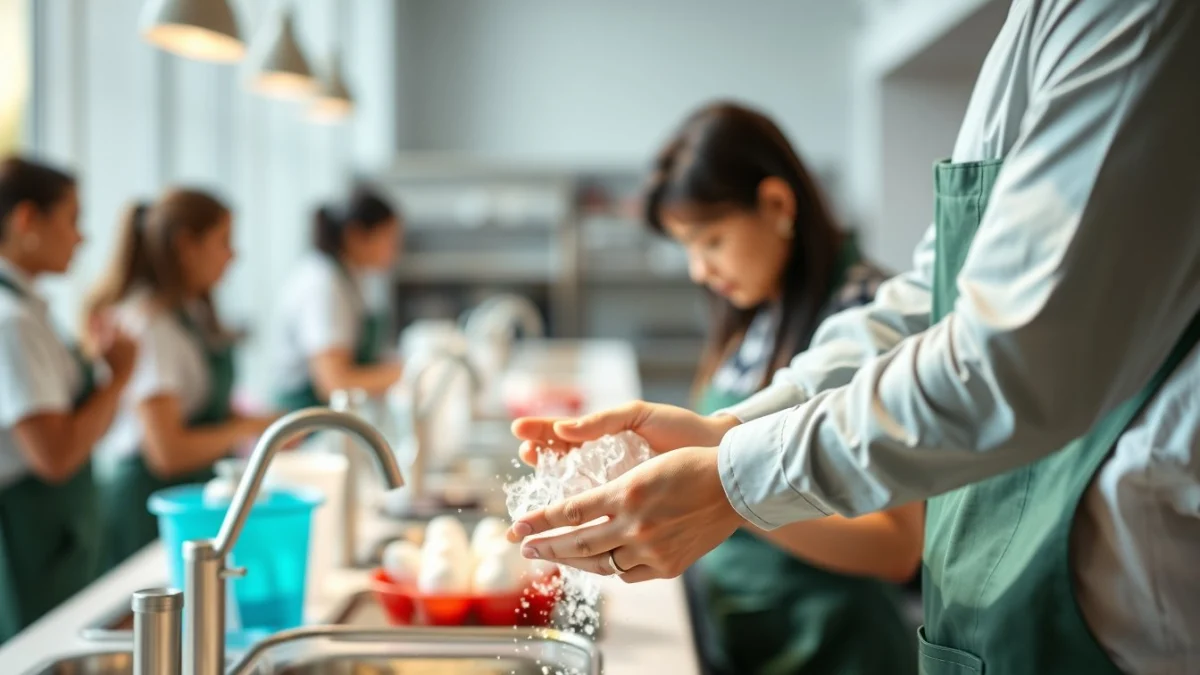
Start by listing all the cleaning tasks needed in the food area. These include cleaning floors, benches, utensils, machines, walls, and storage places. Note how often each task needs to be done. Some tasks, like wiping benches, may be needed several times a day. Others, like deep cleaning machines, might be done once a week.
Assign clear responsibilities. Each cleaning task should have a person or team responsible. This makes sure nobody misses their duty and everyone knows what they must do. A good schedule also helps with accountability and tracking progress.
Use simple language and clear instructions when writing the schedule. Include what cleaning materials or disinfectants to use for each task and how to use them safely. This prevents confusion and mistakes that could risk food safety.
Steps to Set Up a Cleaning Schedule
- Identify all areas and equipment that need cleaning.
- Determine the cleaning frequency for each task.
- Write step-by-step cleaning instructions.
- Assign staff to each task with clear roles.
- Create a timetable or chart showing days and times.
- Train staff on using the schedule and cleaning methods.
- Check and update the schedule regularly based on feedback and conditions.
Make sure the cleaning schedule is easy to access for all workers. Post it somewhere visible in the food preparation area or use digital tools if available. Also, provide a checklist for staff to tick off each completed task. This shows compliance and helps supervisors monitor hygiene standards.
Regularly reviewing and improving the cleaning schedule is important. When new equipment is added, or if problems with cleanliness occur, adjust the schedule. Involving the cleaning team in reviews helps because they understand the work and challenges.
Ultimately, developing effective cleaning schedules helps food businesses run smoothly and safely. It reduces food safety risks like cross-contamination and pest infestation. This leads to healthier customers and better compliance with food safety laws in South Africa.
Live Scenario • Active Situation
You are the cleaning supervisor in charge of developing effective cleaning schedules for the food preparation area at a busy restaurant.
There is no single perfect answer. Choose what you would do in this situation.
