
Preventing Illness and Cross-Contamination
How to Avoid Getting Sick and Stopping Germs from Spreading
Preventing illness and cross-contamination is very important when handling food. Cross-contamination happens when harmful germs or bacteria from one food item move to another. This can cause people to get sick. Food handlers must use good hygiene and safe practices to keep food safe for everyone.
First, always wash your hands properly before touching any food. Use warm water and soap, and scrub your hands for at least 20 seconds. Make sure to clean under your nails and between your fingers. Dry your hands with a clean towel or disposable paper towel. Handwashing should happen before starting work, after using the toilet, after touching your face or hair, and after handling raw food.
It is important to keep raw and cooked foods separate. Raw meat, chicken, and fish can carry harmful bacteria. Make sure to use different cutting boards, knives, and utensils for raw and cooked foods. Clean and sanitise all kitchen tools and surfaces after preparing raw food. This helps stop bacteria from spreading to ready-to-eat foods.
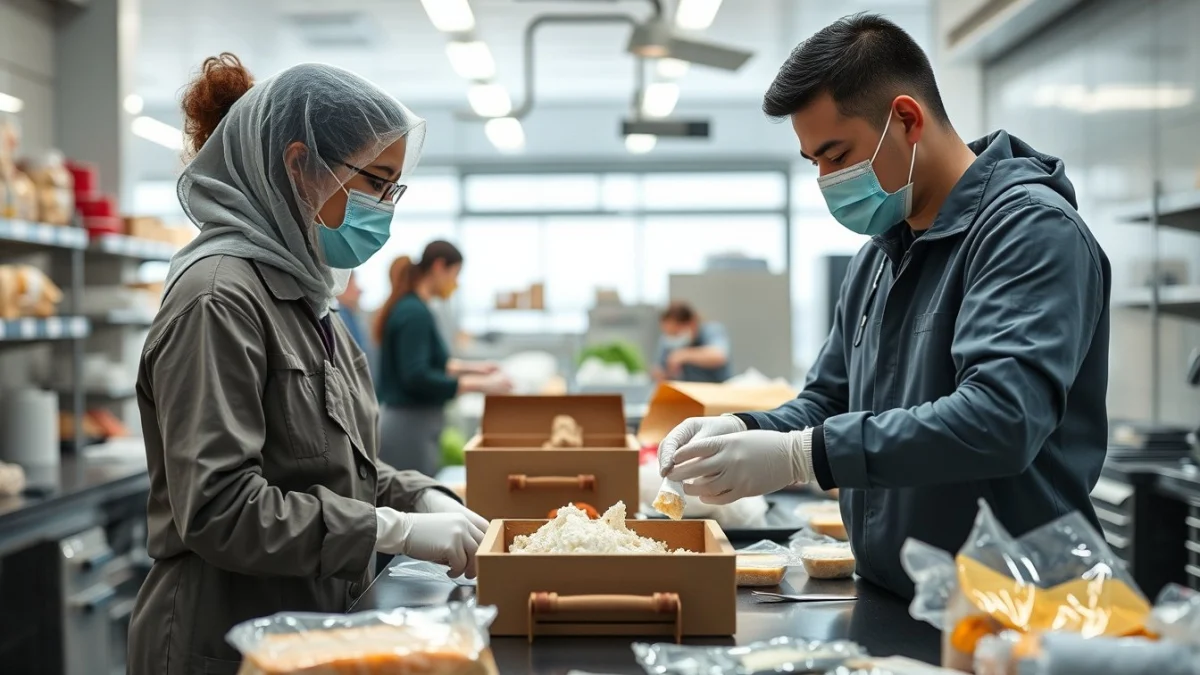
Wear clean clothes and a hairnet or cap when working with food. Avoid touching your face, nose, or hair while preparing food. If you are sick or have a cut on your hand, inform your manager and do not handle food until you are better or the wound is properly covered.
Food should be stored at the right temperature to prevent bacteria growth. Keep cold food in the fridge at or below 5 °C and hot food above 60 °C. Throw away any food that looks or smells spoiled to avoid risking contamination.
Quick Tips to Prevent Cross-Contamination
- Always wash hands before and after handling food.
- Use separate utensils for raw and cooked foods.
- Clean all surfaces and equipment after each use.
- Store food in clean, covered containers.
- Keep raw food away from ready-to-eat food in the fridge.
- Wear clean clothes and protective gear.
- Cover cuts or wounds with waterproof bandages and gloves.
- Do not handle food if you are feeling unwell.
Following these hygiene rules helps stop harmful bacteria from spreading and reduces the risk of foodborne illness. Every food handler’s care and attention keep food safe for customers and families.
Live Scenario • Active Situation
You are a food handler working in a busy restaurant kitchen.
There is no single perfect answer. Choose what you would do in this situation.
