
Reviewing Key Food Safety and Hygiene Principles
Essential Guidelines for Safe Food Handling
Reviewing key food safety and hygiene principles is important for anyone working with food in South Africa. These principles help prevent food poisoning and keep customers safe. Understanding them makes sure food is handled, stored, and served correctly.
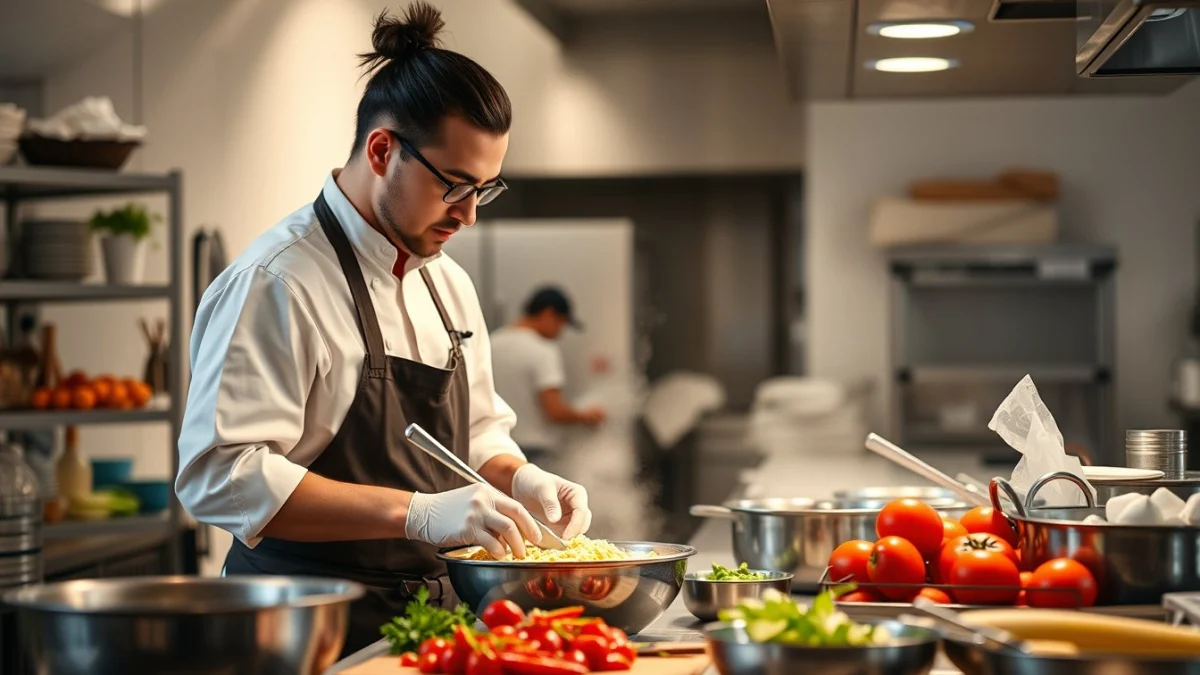
First, personal hygiene is a must. Always wash your hands with soap and water before handling food, after using the toilet, and after touching anything dirty. Wear clean clothes and keep hair tied back or covered. Avoid touching your face or nose while working with food.
Secondly, cleaning and sanitising surfaces, equipment, and utensils regularly is vital. Dirty surfaces can spread harmful bacteria. Use clean cloths and proper cleaning agents. Rinse well to remove any cleaning residue that could contaminate food.
Temperature control is another key principle. Hot foods must be kept at 60°C or higher, while cold foods should be stored at 5°C or lower. Bacteria grow fast between 5°C and 60°C, known as the danger zone. Keep food out of this temperature range as much as possible.
Prevent cross-contamination by keeping raw and cooked foods separate. Use different cutting boards, knives, and containers for raw meat and vegetables. Always store raw meat below other foods in the fridge, so juices don’t drip onto them.
Food storage also matters. Label and date food packages, so you know when to use them. Don’t overstock the fridge or freezer; air must circulate to keep food cool and safe.
Practical Steps to Follow Every Day
- Wash hands properly before and during food preparation.
- Keep work surfaces clean and sanitised.
- Cook food to the right temperature to kill germs.
- Store food at correct temperatures to avoid spoilage.
- Use separate utensils and boards for raw and ready-to-eat food.
- Dispose of waste promptly and hygienically.
By reviewing key food safety and hygiene principles regularly, you build good habits that protect everyone who eats your food. These practices reduce risks such as foodborne illnesses, allergies, and contamination. Always ask yourself if the food you handle is clean, safe, and stored correctly. Being careful today means keeping customers safe tomorrow.
Live Scenario • Active Situation
You are a food handler preparing meals in a busy South African catering kitchen.
There is no single perfect answer. Choose what you would do in this situation.
