
Common Causes of Food Contamination
Understanding How Food Gets Contaminated
Common causes of food contamination are important to know, especially when handling food safely. Food contamination happens when harmful substances get into food. These contaminants can make people sick if they eat the food. Knowing what causes contamination helps us keep food safe and protect our health.
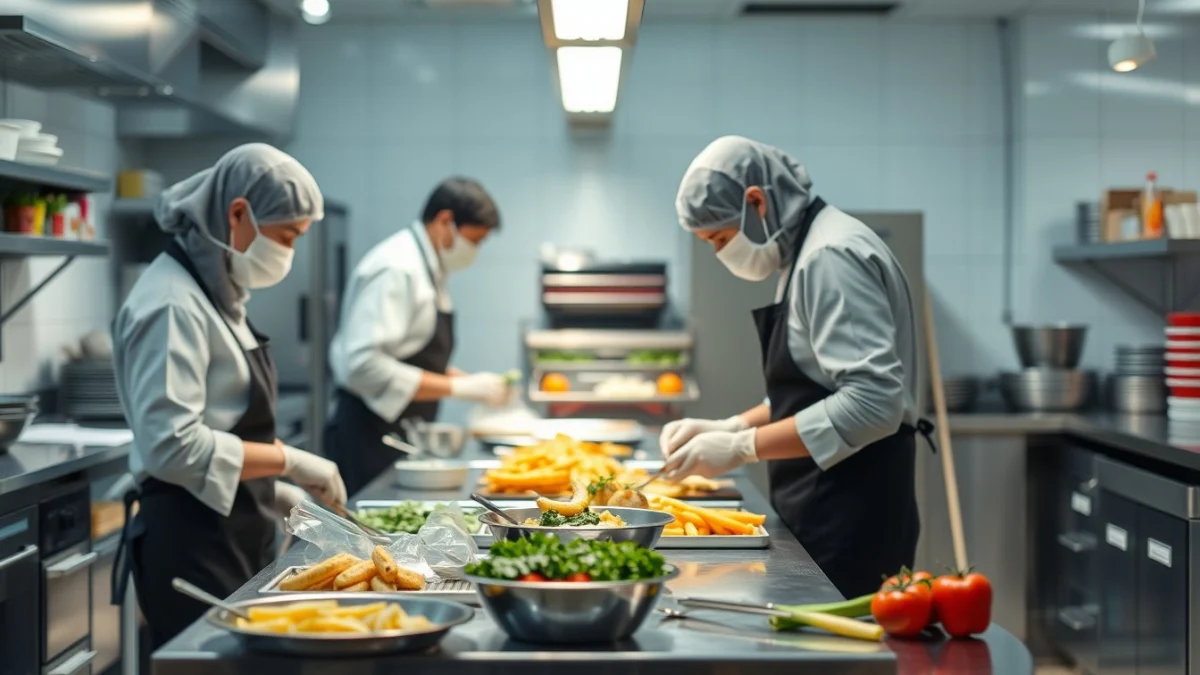
There are three main types of contamination: biological, chemical, and physical. Each one comes from different sources and needs special attention.
Main Causes of Food Contamination
- Biological Contamination
This is the most common cause. It happens when harmful bacteria, viruses, parasites, or fungi enter food. Examples include Salmonella, E. coli, and Listeria. These microbes grow quickly in food left at the wrong temperature or not properly cooked. Poor hygiene, such as not washing hands or dirty surfaces, also spreads these germs. - Chemical Contamination
Chemicals like cleaning agents, pesticides, or food additives can contaminate food. This often happens when these chemicals are not stored separately or are accidentally mixed with food. Using damaged food containers that leak toxins is another cause. Chemical contamination can be dangerous and cause poisoning. - Physical Contamination
Physical contamination is when foreign objects get into food. This includes hair, pieces of glass, metal shards, stones, or plastic bits. This often happens because of poor handling, broken equipment, or dirty environments. Physical contaminants can cause injury or choking.
Other factors that cause contamination include poor personal hygiene, using unclean utensils, and improper storage conditions. For example, raw and cooked foods kept together can cause cross-contamination. Also, food left out too long at room temperature allows bacteria to multiply quickly.
Preventing food contamination means following safe hygiene practices. Always wash hands before handling food, use clean utensils, and keep raw and cooked foods separate. Make sure to store food at the correct temperatures and cook food thoroughly. Clean and sanitize kitchen surfaces regularly to kill any germs.
By understanding common causes of food contamination, learners can make safer choices in preparing and handling food. This knowledge helps reduce foodborne illnesses and makes food safer to eat.
Live Scenario • Active Situation
You are a food handler in a busy restaurant kitchen.
There is no single perfect answer. Choose what you would do in this situation.
