
Understanding Food Hygiene Practices
Understanding Food Hygiene Practices is essential for anyone working with food in South Africa. These practices help to keep food safe from harmful bacteria, viruses, and other contaminants that can cause food poisoning and illness. Maintaining good food hygiene protects consumers and helps businesses follow legal requirements.
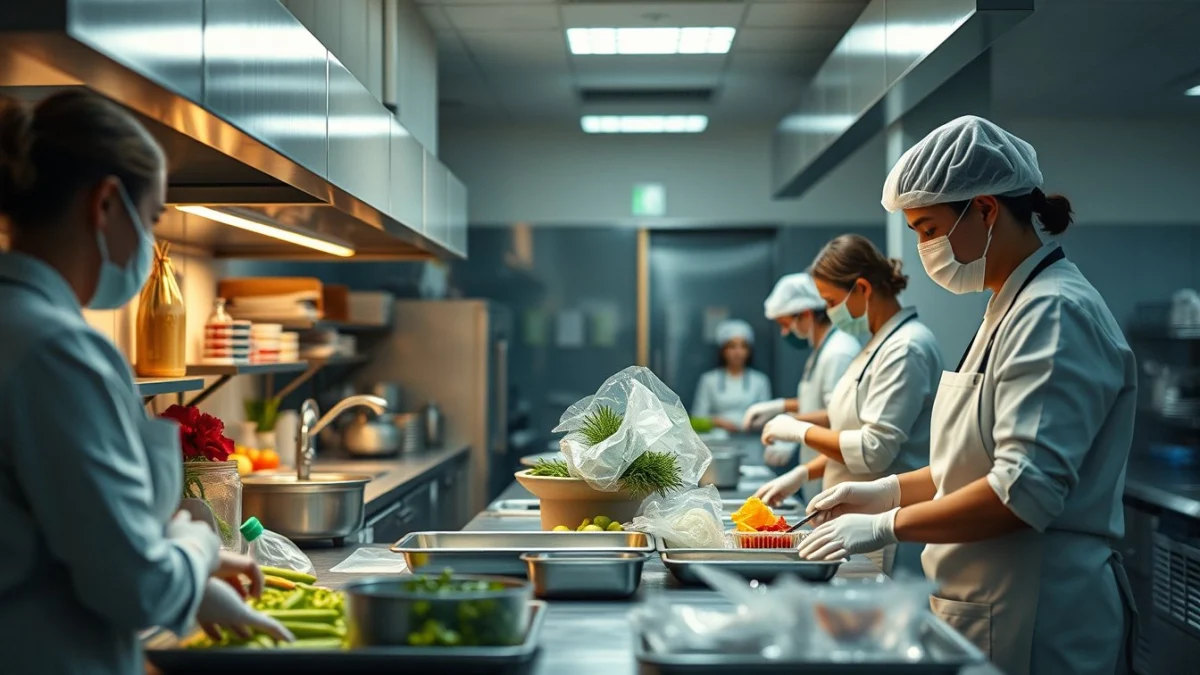
Why Food Hygiene Matters in Everyday Food Handling
Food hygiene means keeping food clean, safe, and healthy to eat. This involves handling, preparing, storing, and serving food in ways that prevent contamination. In South Africa, where foodborne illnesses are common, knowing good hygiene practices is vital to protect your health and your customers’ trust.
When food is not handled properly, it can become a breeding ground for bacteria like Salmonella and E. coli. These bacteria can cause serious illnesses, especially for young children, elderly people, and those with weak immune systems. Simple food hygiene actions can stop this from happening.
Food hygiene practices include washing hands before and after touching food, cleaning surfaces and equipment thoroughly, cooking food at the correct temperatures, and storing food safely. Avoiding cross-contamination—where germs from raw food touch cooked food—is one of the most important parts of food hygiene.
Key Food Hygiene Practices to Follow
- Wash your hands with soap and water before handling food and after using the toilet.
- Keep all kitchen surfaces and tools clean and sanitized.
- Store raw and cooked foods separately to prevent cross-contamination.
- Cook food to the right temperature to kill harmful germs.
- Keep hot food hot and cold food cold to stop bacterial growth.
- Use clean equipment and avoid touching food with bare hands when possible.
Following these practices helps reduce the risk of food poisoning and keeps your workplace safe and hygienic. Food businesses must also follow South African food safety laws to protect their customers and avoid penalties.
In summary, understanding food hygiene practices is about knowing how to handle food safely from the start to the end of preparation. This knowledge helps stop contamination, ensures food quality, and keeps everyone healthy.
Live Scenario • Active Situation
You are a food handler at a busy South African café.
There is no single perfect answer. Choose what you would do in this situation.
