
Maintaining Safe Food Practices in Daily Operations
Essential Steps for Keeping Food Safe Every Day
Maintaining safe food practices in daily operations is key to preventing foodborne illnesses and ensuring the health of consumers. In any food handling environment, consistent care and attention to hygiene help avoid contamination and spoilage.
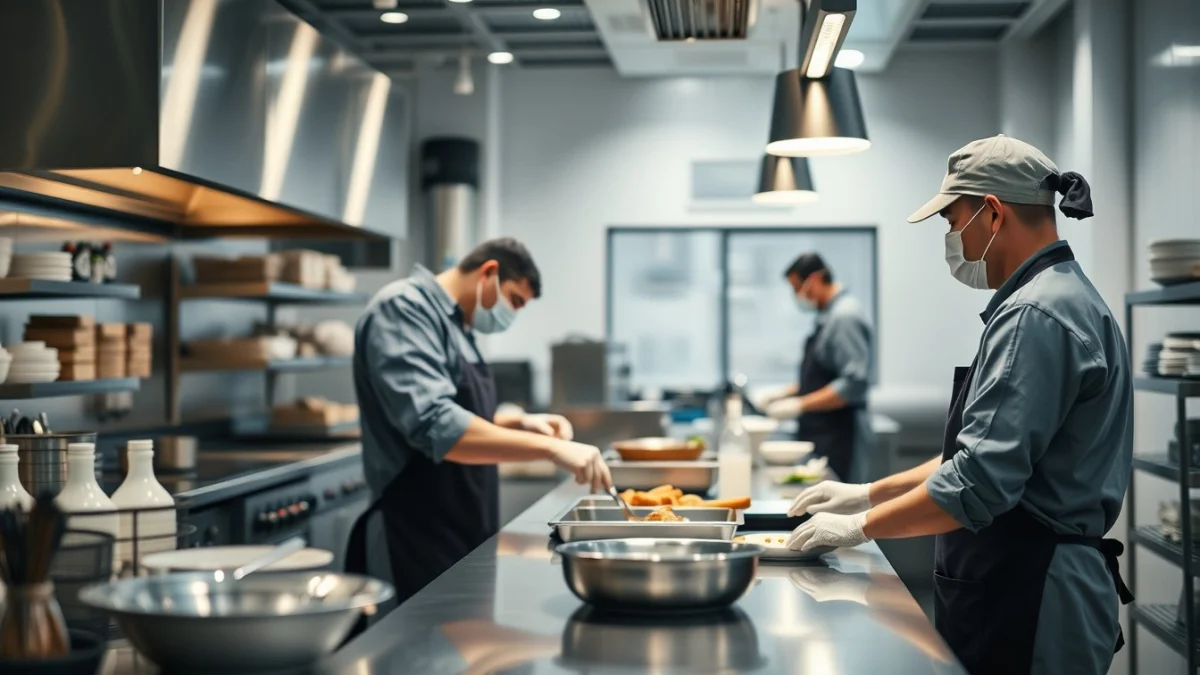
First, always wash hands thoroughly with soap and water before handling food, after touching raw food, and after using the toilet. Hands can easily spread bacteria and viruses if not cleaned properly.
Keep all food preparation surfaces clean and sanitised. Use separate chopping boards and knives for raw meat, vegetables, and ready-to-eat foods. This stops cross-contamination, which is a common cause of food poisoning.
Store food correctly by following the First-In-First-Out (FIFO) rule. Use older stock before new stock to reduce waste and spoilage. Refrigerate perishable foods at 5°C or below and frozen foods at -18°C or colder. Always check expiry dates before use.
Cook food thoroughly to the right temperature to kill harmful germs. Use a food thermometer if possible. Hot food must reach at least 75°C, especially for poultry and minced meat.
Daily Safe Food Practice Checklist
- Wash hands before and after handling food
- Use clean utensils and equipment
- Separate raw and cooked food
- Store food at proper temperatures
- Cook food to safe temperatures
- Keep food covered and protected from pests
- Dispose of waste regularly and properly
Remember to keep the work area tidy and free from pests like flies and rodents. Cover food to stop contaminants from getting in. Regularly clean storage areas and check for signs of spoilage or pests.
By maintaining safe food practices in daily operations, you help protect customers and workers from illness. It also improves the reputation of your food business and meets legal food safety standards. Consistency and attention to detail are the best ways to keep food safe every day.
Live Scenario • Active Situation
You are a kitchen assistant in a busy café, responsible for food prep and safety.
There is no single perfect answer. Choose what you would do in this situation.
