
Correct handling of raw and cooked foods
Correct handling of raw and cooked foods is very important to keep food safe and prevent food poisoning. Raw foods, like meat and vegetables, can have harmful bacteria. If cooked foods touch raw foods or their juices, the bacteria can spread. This is called cross-contamination. Following the right steps helps stop bacteria from growing and keeps food fresh and safe to eat.
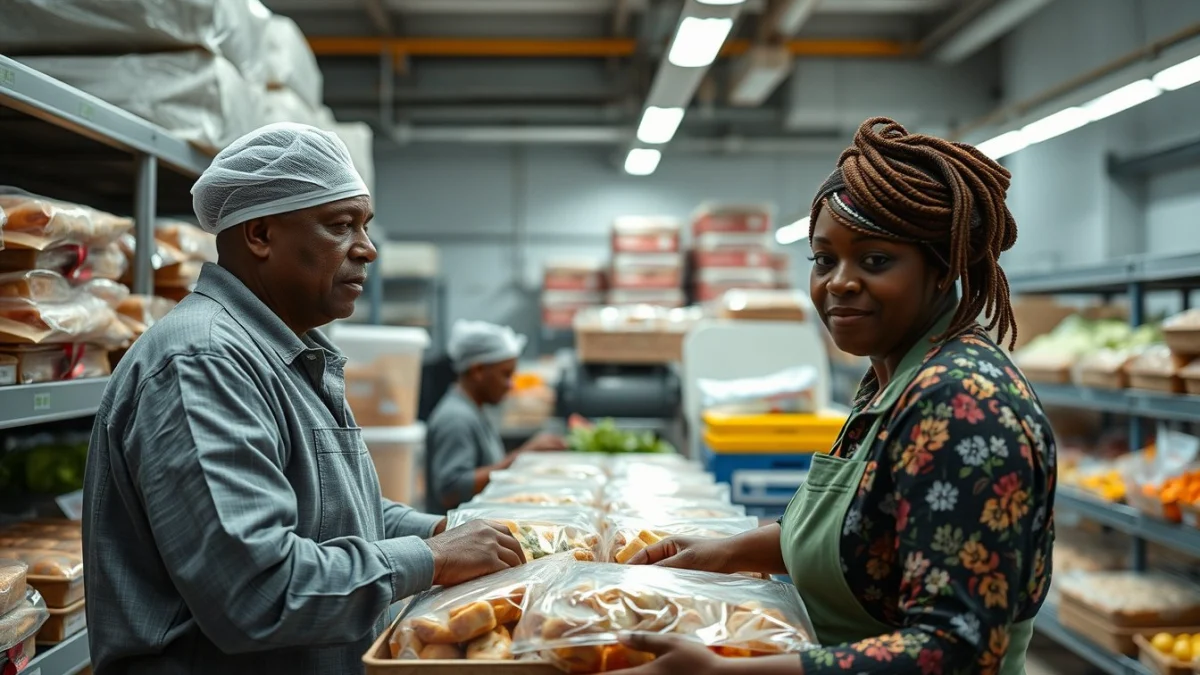
How to Keep Raw and Cooked Foods Safe
Always keep raw and cooked foods separate from each other. This means using different chopping boards, knives, and utensils. For example, use one chopping board for raw meat and another for cooked food or vegetables. This stops germs from spreading from raw food to food that is ready to eat.
When you are storing food, put raw meat, chicken, or fish on the bottom shelf in the fridge. This way, if any juices drip, they do not fall onto cooked food or fresh fruit and vegetables below. Make sure cooked food is covered and stored correctly to protect it from germs.
Wash your hands with soap and warm water before handling food, especially after touching raw foods. Clean all surfaces, knives, and utensils well with hot water and detergent. Do this every time you change between preparing raw and cooked foods.
Steps for Safe Food Handling
- Wash hands thoroughly before and after handling raw foods.
- Use separate equipment for raw and cooked foods.
- Keep raw foods cold and store them below cooked foods in the fridge.
- Cook foods to the correct temperature to kill harmful bacteria.
- Reheat cooked foods only once and make sure they are piping hot.
- Store leftover cooked food in shallow containers and refrigerate quickly.
Cooking food to the right temperature is important. For example, chicken must reach at least 75 °C inside to make sure all bacteria are killed. Use a food thermometer to check the temperature properly.
Never leave cooked food out at room temperature for more than two hours. Bacteria grow fastest between 5 °C and 60 °C. Quickly cool and store leftovers in the fridge to keep them safe.
By following these simple rules for the correct handling of raw and cooked foods, you protect yourself and others from food-related illnesses. Safe food handling is part of being a responsible Food Production Assistant and helps make sure your food is always safe to eat.
Live Scenario • Active Situation
You are a Food Production Assistant in a busy restaurant kitchen.
There is no single perfect answer. Choose what you would do in this situation.
