
Reporting defects and deviations
Reporting defects and deviations is an important part of maintaining quality in food production. When you notice something wrong with the food or the process, it must be reported right away. This helps prevent unsafe or poor-quality food from reaching customers.
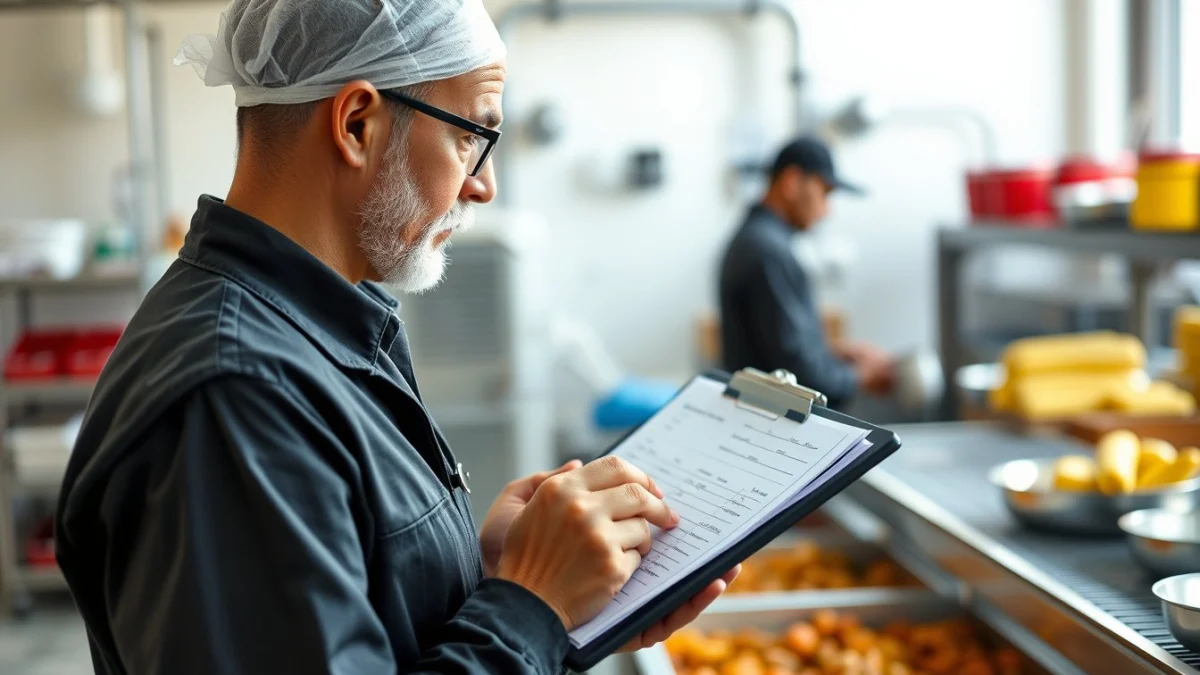
Why It Is Important to Report Defects and Deviations
Food production involves many steps where things can go wrong. Defects are problems with the food product, such as spoilage, wrong ingredients, or packaging damage. Deviations happen when the food production process does not follow the correct method or standards. Reporting these issues quickly helps fix problems early and keeps food safe and tasty.
If defects and deviations are not reported, these problems may continue or get worse. This can cause food safety risks, unhappy customers, and even legal troubles for the company. Good reporting supports food quality, safety, and customer trust.
How to Report Defects and Deviations
Follow these steps when you find a defect or deviation:
- Stop the production line if the problem is serious and could harm consumers.
- Identify and describe the defect or deviation clearly. Include details like what happened, when, and where.
- Report the issue to your supervisor or quality control officer immediately.
- Fill in the correct report form or logbook with all necessary information.
- Keep the defective product separate so it does not get mixed with good products.
- Follow any instructions on how to correct the problem or wait for guidance.
Always be honest and precise when reporting. This helps managers make quick decisions to fix problems and improve the process.
Examples of Defects and Deviations to Report
- Food looks or smells spoiled or rotten
- Wrong ingredients used or missing in a recipe
- Incorrect cooking or baking time or temperature
- Equipment failure causing unsafe food conditions
- Packaging that is torn, leaking, or incorrectly labelled
- Pests seen in the production or storage area
Remember, reporting defects and deviations is everyone’s responsibility in food production. It keeps food safe, maintains quality, and helps your workplace run smoothly.
Live Scenario • Active Situation
You are a Food Production Assistant in a busy food factory.
There is no single perfect answer. Choose what you would do in this situation.
