
Understanding workplace roles and teamwork
Understanding workplace roles and teamwork is very important for anyone working in food production. When you know your role and how to work well with others, the whole food production process runs smoothly and safely. This helps keep customers happy and ensures food is made correctly in the kitchen or workplace.
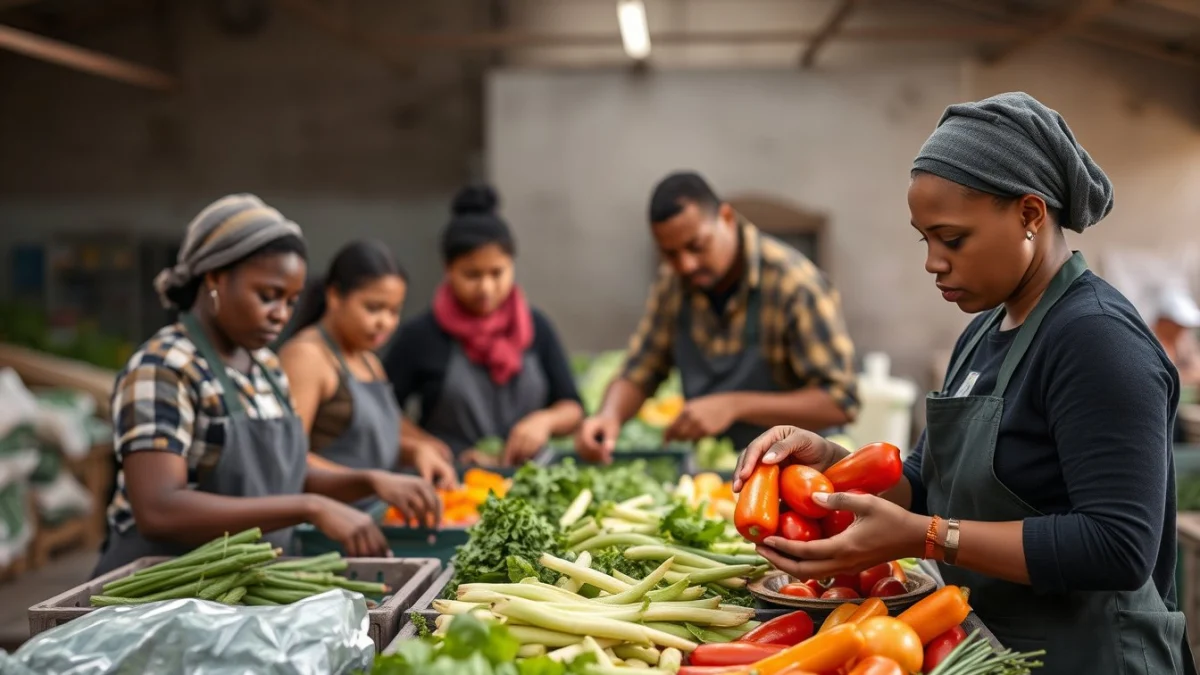
The Importance of Knowing Your Role and Working Together
In a food production environment, everyone has a specific job to do. For example, as a Food Production Assistant, your tasks might include preparing ingredients, cleaning work areas, or assisting the cook. Each role is important, and when everyone does their part, it helps prevent mistakes and wastage.
Teamwork means working together and helping each other to reach a common goal. In food production, this might mean passing ingredients to a chef, cleaning utensils quickly, or communicating if something is wrong with the food or equipment. Good teamwork makes the kitchen safer and more efficient.
When people understand their roles and work well as a team, it creates a positive workplace. It also reduces stress because everyone knows what to expect and can rely on each other. This is especially important in busy kitchens where timing and accuracy matter.
How to Work Well in Your Food Production Team
- Learn your responsibilities clearly – know what tasks you must complete each day.
- Communicate openly with your team – tell others if you need help or notice a problem.
- Be reliable – show up on time and complete your tasks properly.
- Respect your coworkers – listen to their ideas and help when needed.
- Follow all safety and hygiene rules – this protects everyone in the workplace.
Understanding workplace roles and teamwork also means recognising how different jobs connect. For example, the person preparing vegetables must finish on time for the chef to cook meals promptly. If one person delays, it can slow down the entire process. This is why everyone should work together and support each other.
Good teamwork helps improve quality, meaning the food you make tastes better and looks nice. It also reduces accidents because workers who communicate and cooperate can spot dangers early. In food production, safety is always a priority.
Finally, teamwork encourages learning. You can watch and learn from more experienced workers, ask questions, and improve your skills. This helps you become a better Food Production Assistant and may open doors for future jobs in the hospitality industry.
To sum up, understanding workplace roles and teamwork in food production helps you do your job well, makes the kitchen safer, and ensures customers receive good quality food. Always be ready to work with others, communicate clearly, and carry out your tasks responsibly. This is the key to success in any food production environment.
Live Scenario • Active Situation
You are a Food Production Assistant in a busy restaurant kitchen.
There is no single perfect answer. Choose what you would do in this situation.
