
Core food safety principles in food production
Key Food Safety Rules to Follow in Production
Core food safety principles in food production are essential to keep food safe and prevent illness. These principles help everyone working in food production to handle and prepare food correctly. Following them reduces the risk of contamination and food poisoning.
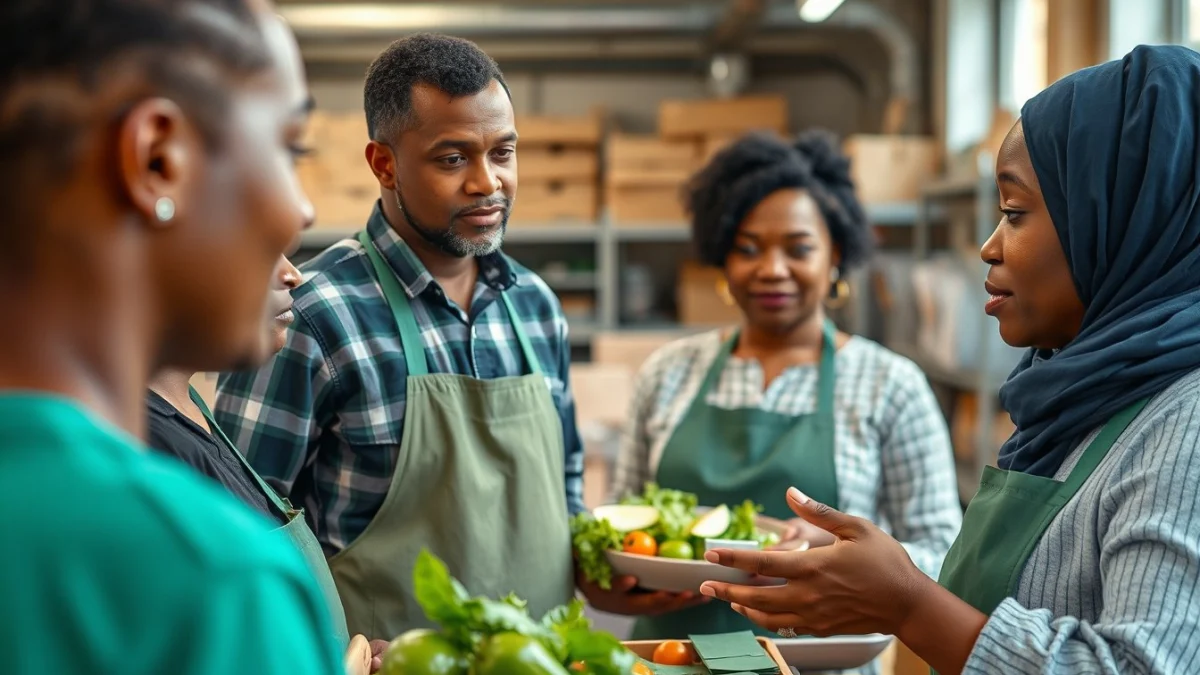
First, cleanliness is very important. Always wash hands with soap and water before touching food and after handling raw meat, touching rubbish, or using the toilet. Clean all surfaces, cutting boards, knives, and equipment before and after use. Use clean cloths or disposable paper towels to dry hands and clean surfaces.
Secondly, avoid cross-contamination. Keep raw and cooked foods separate. Use different chopping boards and utensils for raw meat, vegetables, and cooked food. Store raw meat at the bottom of the fridge so juices don’t drip onto other foods.
Thirdly, control temperature well. Keep cold foods below 5°C and hot foods above 60°C to stop bacteria from growing. When cooking, ensure food reaches the correct internal temperature. Cool cooked food quickly before putting it in the fridge, and do not leave food out at room temperature for more than 2 hours.
Fourthly, store food properly. Use clean, covered containers and label food with dates. Follow the “first in, first out” rule to use older food first and avoid spoilage.
Finally, maintain personal hygiene. Wear clean clothes and hairnets or hats. Do not work with food if you are sick, especially with vomiting, diarrhoea, or skin infections. Cover cuts with waterproof dressings and wear gloves when necessary.
Summary of Core Food Safety Practices
- Wash hands and clean equipment often
- Separate raw and cooked foods to prevent contamination
- Keep food temperatures safe: cold below 5°C, hot above 60°C
- Store food in clean, covered containers and label properly
- Follow good personal hygiene rules at all times
By understanding and applying these core food safety principles in food production, learners will help produce safe, healthy food that protects customers and prevents foodborne illnesses.
Live Scenario • Active Situation
You are a Food Production Assistant working in a busy kitchen preparing meals for a large event.
There is no single perfect answer. Choose what you would do in this situation.
