
Recording cleaning and temperature checks
Why Recording Cleaning and Temperature Checks is Important in Food Production
Recording cleaning and temperature checks is a key part of keeping food safe. These records help staff remember what was done and when. This prevents food spoilage and stops harmful bacteria from growing.
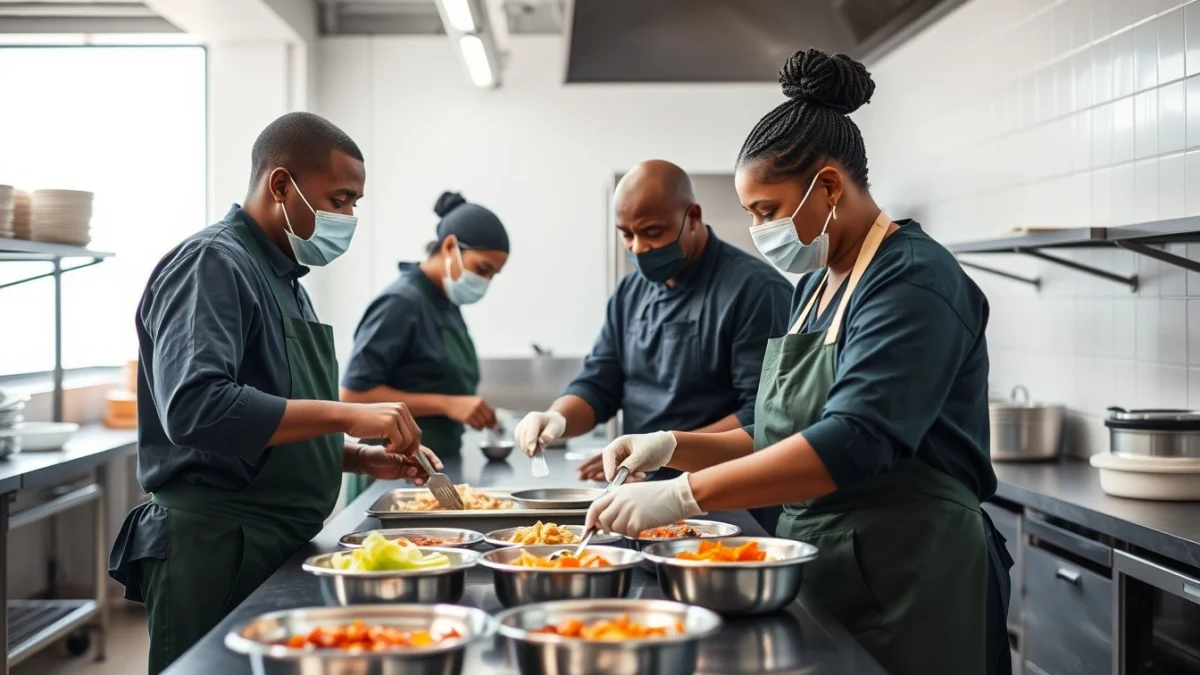
When you record cleaning, you show that equipment, surfaces, and utensils are kept clean. This reduces the risk of food contamination. Temperature checks ensure that food is cooked, stored, or cooled at the right temperatures to keep it safe.
Cleaning schedules should be followed strictly. Recording each cleaning session builds trust and shows managers that food safety rules are taken seriously.
What to Include When Recording Cleaning and Temperature Checks
- Date and time: Write when the cleaning or temperature check was done.
- Area or equipment: Note what was cleaned or checked, for example, the fridge or cutting boards.
- Person responsible: Include the name or initials of the staff member who did the task.
- Temperature readings: Record exact temperatures of food or equipment, such as fridge temperature or cooked food internal temperature.
- Cleaning method: Note products or procedures used, like detergent type or sanitising steps.
- Comments or issues: Write down any problems seen or actions taken.
Using clear and easy-to-understand records helps everyone in the kitchen. It shows that safety steps are followed and helps with training new staff.
Always use a dedicated checklist or logbook for these records. A digital system or printed sheets can be used, but make sure they are always available and updated in real time.
Regularly review these records to spot patterns or problems early. For example, if a fridge often reads higher than the recommended temperature, it can be fixed quickly before food goes bad.
In summary, recording cleaning and temperature checks is essential for food safety. It shows commitment to hygiene, helps prevent foodborne illness, and keeps the kitchen running smoothly.
Live Scenario • Active Situation
You are a Food Production Assistant responsible for recording cleaning and temperature checks in a busy kitchen.
There is no single perfect answer. Choose what you would do in this situation.
