
Cleaning schedules and routines
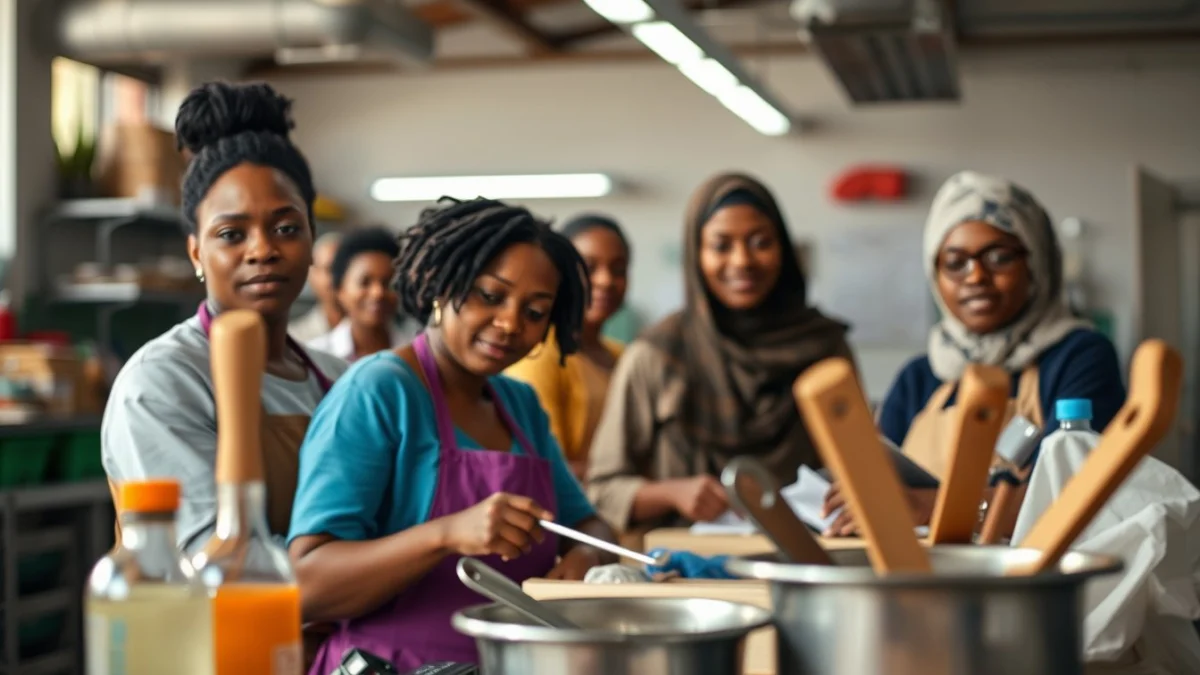
How Cleaning Schedules and Routines Improve Food Safety
Cleaning schedules and routines are important in food production. They help keep the workplace and equipment clean, safe, and free from harmful germs. Following set cleaning times and steps stops food contamination and ensures that the food you make is safe to eat. A cleaning schedule is a plan showing when and how often specific areas or equipment should be cleaned. Routines are the exact steps workers follow to clean properly. Together, they make cleaning organised and effective. Regular cleaning removes dirt, food scraps, and bacteria that can cause illness. In food production, these must be removed quickly and often to prevent the spread of germs. Cleaning schedules also help workers share cleaning tasks fairly and make sure nothing is missed. When making a cleaning schedule, include these points:
- Areas and equipment to clean: Floors, walls, machines, tables, storage areas, and utensils.
- Cleaning frequency: Some items need daily cleaning, others weekly or after use.
- Cleaning methods: Which cleaners or disinfectants to use, and how to use them safely.
- Who is responsible: Assign duties to specific workers for accountability.
Cleaning routines help workers clean properly. A typical routine includes:
- Removing food waste and debris
- Washing surfaces with water and detergent
- Rinsing thoroughly to remove soap
- Applying disinfectant and letting it work
- Drying surfaces completely
Workers must wear protective gear like gloves and aprons during cleaning. Always follow instructions on cleaning products to avoid harm. Cleaning schedules and routines must be checked regularly to stay effective. Update them if new equipment is added or if cleaners change. Supervisors should monitor cleaning and keep records to prove tasks were done. In short, cleaning schedules and routines are key to safe food production. They keep the environment clean, reduce risks of food poisoning, and help workers stay organised. By following these plans carefully, food production assistants play a big role in protecting consumer health.
Live Scenario • Active Situation
You are a Food Production Assistant responsible for cleaning a food packaging area in a busy factory.
There is no single perfect answer. Choose what you would do in this situation.
