
Understanding food quality requirements
What You Need to Know About Food Quality
Understanding food quality requirements is important for anyone working in food production. Food quality means the food is safe to eat, looks good, tastes nice, and has the right texture and nutrition. This helps keep customers happy and protects their health.
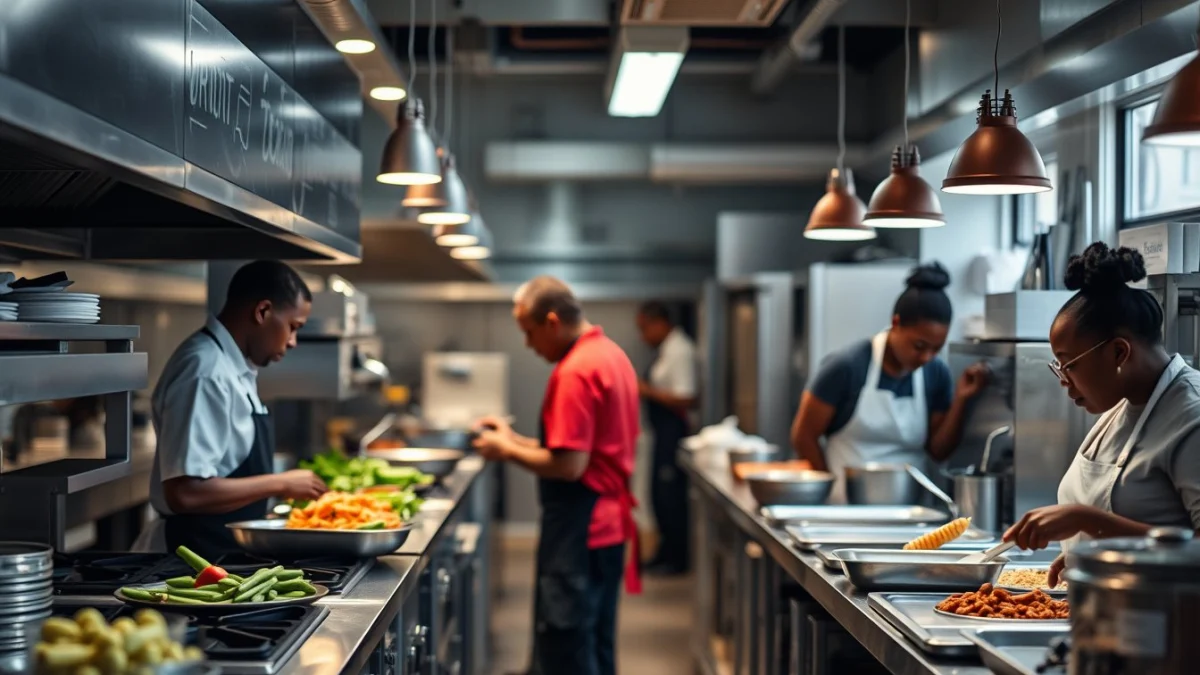
Food quality requirements come from several sources. These include laws, industry standards, customer needs, and company rules. In South Africa, food businesses must follow rules from the Department of Health and the South African Bureau of Standards (SABS). These rules make sure food is safe and meets minimum quality levels.
Here are the main areas to focus on when understanding food quality:
Key Food Quality Factors
- Safety: Food must not cause illness. It should be free from harmful bacteria, chemicals, and foreign objects.
- Appearance: Food should look fresh and clean. Colour, shape, and size are important for customer appeal.
- Texture: The feel of the food when eating matters. It should not be too soft, hard, dry, or wet unless the product requires it.
- Taste and Smell: Food should have the right flavour and smell expected by consumers.
- Nutrition: Food should provide the right nutrients as claimed on the packaging or recipe.
- Packaging: Packaging protects food and shows important information. It must be clean, sealed, and labelled correctly.
Food producers use these quality factors with standards to check food before it reaches customers. This process includes inspections, tests, and record-keeping. Any food not meeting quality requirements must be fixed or discarded.
Understanding food quality requirements also means knowing hygiene and safety rules. Workers must follow personal hygiene practices like washing hands and wearing clean clothing. Equipment and work areas must be cleaned regularly to stop contamination.
Food safety systems, like HACCP (Hazard Analysis and Critical Control Points), help identify and control risks in food production. Knowing these systems and taking part in quality checks helps keep food safe.
In summary, quality food means safe, fresh, tasty, and well-presented food. By understanding food quality requirements, learners and workers can produce food that meets standards and satisfies customers.
Live Scenario • Active Situation
You are a Food Production Assistant in a busy food factory tasked with checking food quality before packaging.
There is no single perfect answer. Choose what you would do in this situation.
