
Maintaining food safety logs
Maintaining food safety logs is an important part of working in food production. These logs help to keep track of all safety checks and procedures to make sure the food being prepared is safe to eat. Keeping accurate and up-to-date food safety logs protects consumers and helps your workplace follow health rules.
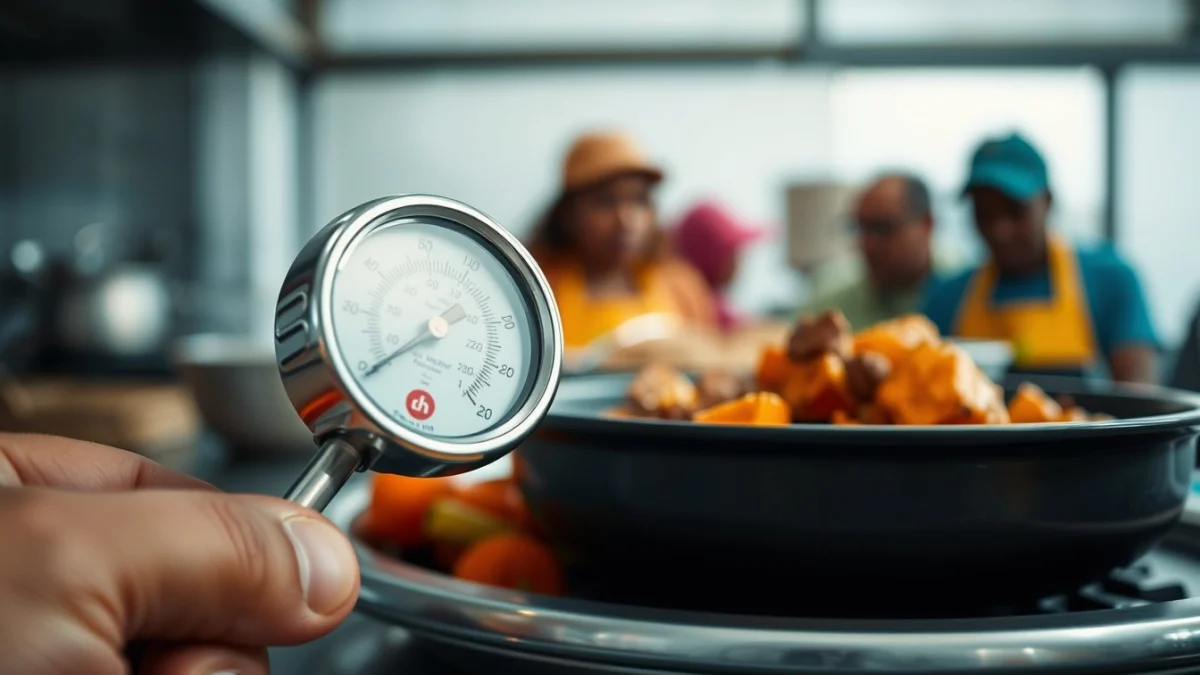
Why Food Safety Logs Are Important in Food Production
Food safety logs are written records of activities that affect food safety. These include checking temperatures, cleaning schedules, and checking equipment. When these records are kept properly, they prove that food safety rules are followed every day.
Logs also help catch problems early. For example, if food is kept at the wrong temperature, the log will show this quickly. This means corrective action can be taken before the food becomes unsafe.
In South Africa, food safety laws require detailed records. Keeping these logs correctly avoids fines and closes the chance of food poisoning outbreaks.
Key Types of Food Safety Logs
- Temperature logs for fridges, freezers, and cooked food
- Cleaning and sanitising schedules
- Pest control records
- Employee handwashing and hygiene checks
- Supplier delivery and inspection records
Each of these logs focuses on an important step in keeping food safe from harmful bacteria and contamination.
How to Keep Food Safety Logs Correctly
Follow these simple steps to maintain excellent food safety logs:
- Use clear, easy-to-read forms or digital templates designed for food safety logging.
- Record information as soon as you do the checks – do not wait or guess later.
- Write the date, time, and your name or initials every time you make an entry.
- Be honest and accurate – never falsify records.
- If you find a problem, note it clearly and write down what you did to fix it.
- Keep the logs safe and organised, so they can be checked anytime.
Remember, accurate logs show that you care about food safety and take your role seriously. This helps maintain your workplace reputation and keeps customers safe.
Benefits of Maintaining Food Safety Logs
Good food safety logs provide many benefits:
- Proof of compliance with health inspectors and auditors.
- Helps track food safety over time and improve procedures.
- Supports staff training by showing where mistakes happen.
- Protects against legal problems from unsafe food.
In food production, maintaining food safety logs is not just paperwork. It is an important task that keeps food safe and customers healthy.
Live Scenario • Active Situation
You are a Food Production Assistant responsible for maintaining food safety logs in a busy kitchen.
There is no single perfect answer. Choose what you would do in this situation.
