
Measuring and portioning ingredients
How to Measure and Portion Ingredients Correctly
Measuring and portioning ingredients is an important skill in food preparation. It helps you cook consistently, avoid waste, and follow recipes properly. Whether you are baking bread or preparing a stew, accurate measurements ensure the final dish tastes good and looks nice.
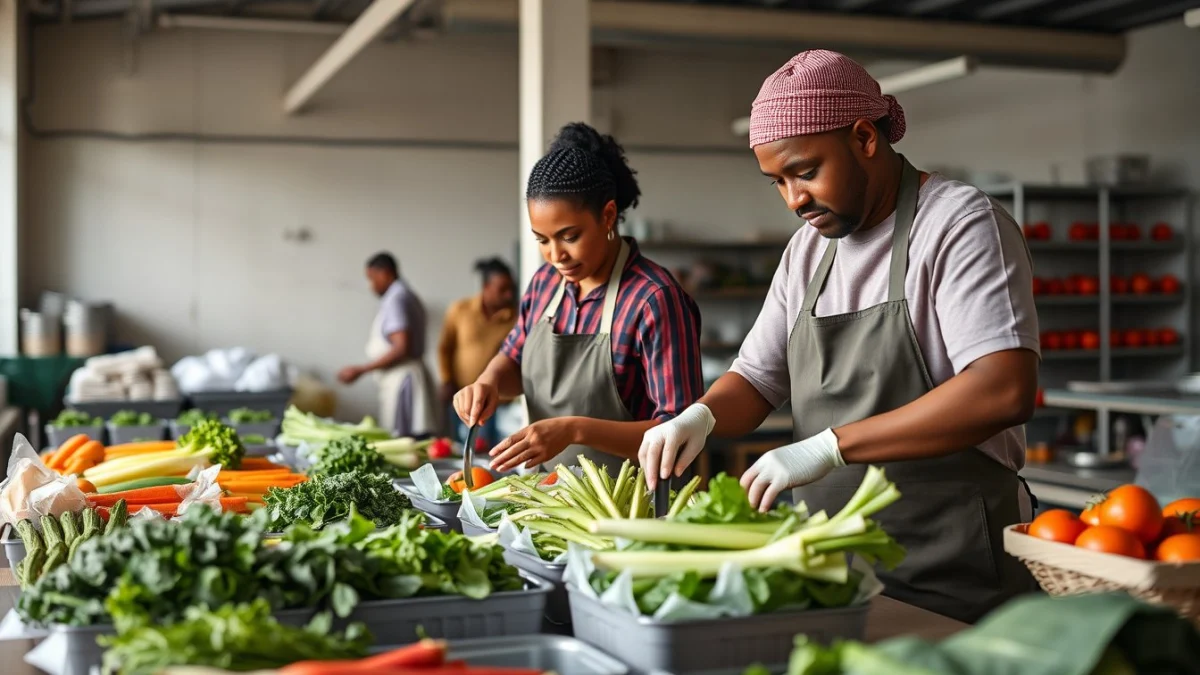
There are different tools for measuring ingredients. You may use measuring cups, spoons, or weighing scales. Each tool has its own use depending on the type of ingredient and the recipe.
Tools for Measuring Ingredients
- Measuring cups: Used for dry or liquid ingredients. Common sizes are 1 cup, 1/2 cup, 1/3 cup, and 1/4 cup.
- Measuring spoons: Used for small amounts of both dry and liquid ingredients, like spices or oils. Sizes include 1 tablespoon, 1 teaspoon, 1/2 teaspoon, and 1/4 teaspoon.
- Weighing scale: Best for accuracy, especially with flour, sugar, and meat. Measures in grams or kilograms.
When measuring dry ingredients like flour or sugar, scoop the ingredient into the cup, then level it off with a flat edge like a knife. This stops you from adding too much. For sticky ingredients like honey or syrup, lightly grease the measuring tool before measuring. This helps the ingredient slide out easily.
For liquid ingredients, place the measuring cup on a flat surface and pour the liquid until it reaches the correct mark. Check the level at eye height to avoid mistakes.
Portioning ingredients means dividing food into equal parts. This is important when serving meals or preparing food in batches. Correct portion sizes help control costs and reduce waste.
Use special portioning tools like ladles, scoops, or knives to divide food evenly. For example, use a ladle for soup or a knife to cut equal pieces of cake. Learning standard portion sizes for common foods helps you serve consistent and fair amounts.
In summary, measuring and portioning ingredients carefully helps you make food that tastes good and looks professional. Always use the right tools, follow instructions closely, and practise to improve your skills.
Live Scenario • Active Situation
You are a Food Production Assistant working in a busy kitchen, preparing ingredients for the day’s meals.
There is no single perfect answer. Choose what you would do in this situation.
