
Safe food cutting and handling methods
How to Cut and Handle Food Safely in the Kitchen
Safe food cutting and handling methods are very important to keep food clean and prevent sickness. When working in a kitchen, especially in a busy environment like a restaurant or food production space, it is important to follow these steps to protect yourself and others.
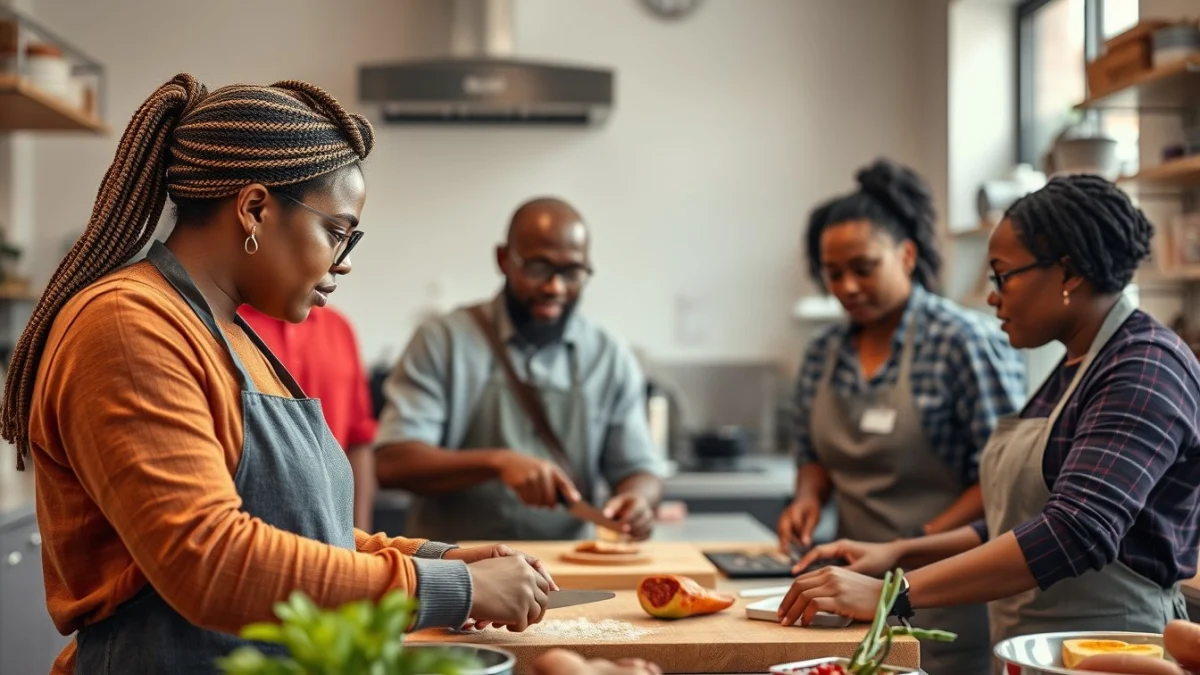
Always start by washing your hands with soap and warm water before you touch any food. This removes germs and stops them from spreading.
Make sure all your tools, like knives and cutting boards, are clean before you use them. Wash them with hot soapy water and dry them properly. If you are cutting different types of food like raw meat and vegetables, use separate cutting boards to stop germs from spreading. You can have colour-coded boards for this purpose, for example, red for raw meat and green for vegetables.
When cutting food, use a sharp knife. A sharp knife is safer because it cuts better and you are less likely to slip and hurt yourself. Always cut on a stable surface and never hold the food in the air while cutting. Keep your fingers away from the blade by curling them inward.
After cutting raw meat or fish, clean your knife and cutting board immediately. Use hot water and detergent to wash away harmful bacteria. Then wash your hands before touching anything else.
Store food safely after cutting. Raw meat should go in sealed containers or plastic bags in the fridge, separate from ready-to-eat food. This prevents cross-contamination where bacteria can move from one food to another.
Steps for Safe Food Cutting and Handling
- Wash your hands before and after handling food.
- Use clean cutting boards and knives.
- Use separate boards for raw meat and vegetables.
- Keep knives sharp and cut on stable surfaces.
- Clean utensils and surfaces after cutting raw food.
- Store food properly to avoid cross-contamination.
By following these safe food cutting and handling methods, you help keep food safe and reduce the risk of food poisoning. Good hygiene and proper handling also make sure food tastes better and looks fresh.
Live Scenario • Active Situation
You are a Food Production Assistant in a busy restaurant kitchen.
There is no single perfect answer. Choose what you would do in this situation.
