
Personal hygiene standards for food handlers
How Food Handlers Keep Food Safe with Good Hygiene
Personal hygiene standards for food handlers are very important to keep food safe and healthy. Food handlers must look after their cleanliness to stop germs from spreading to food. Germs can cause food poisoning and make people sick.
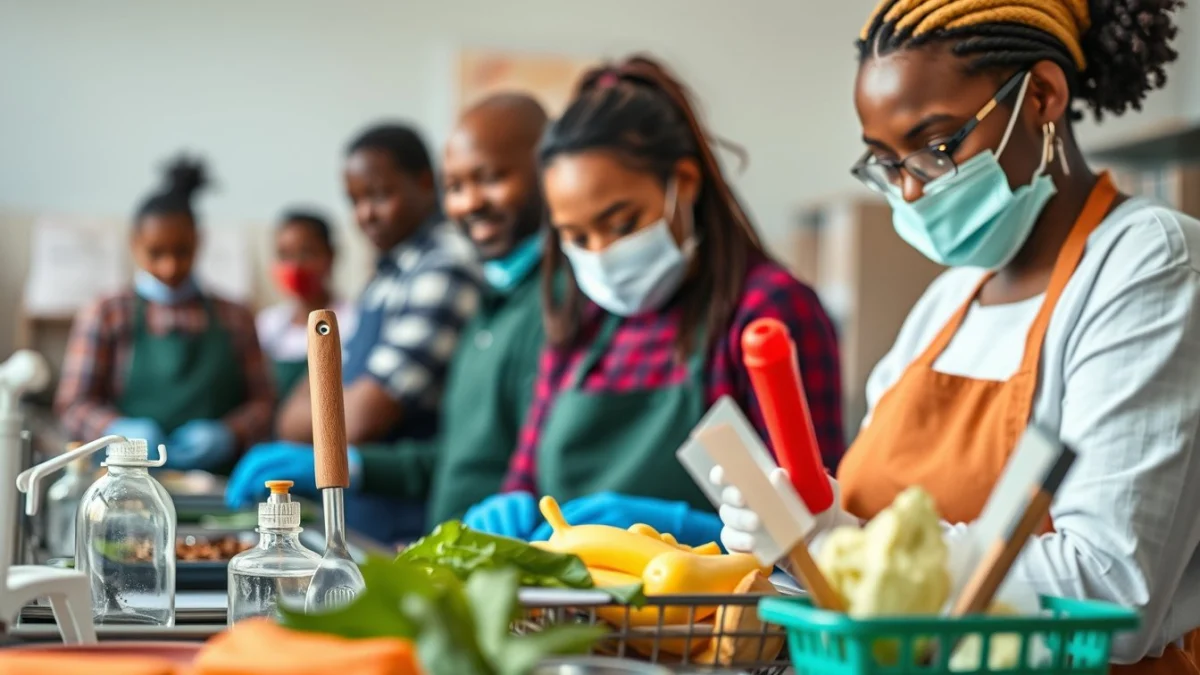
Food handlers should wash their hands properly before they start working with food. They must wash hands after using the toilet, touching their face, sneezing, coughing, or handling waste. Use warm water and soap, scrub for at least 20 seconds, then rinse and dry hands with a clean towel or air dryer.
Clean clothes are part of good personal hygiene. Food handlers should wear clean uniforms or aprons each day. Avoid wearing jewellery like rings, bracelets, or watches because germs can hide under them. Long nails can trap dirt and germs, so keep nails short and clean. Do not wear nail polish.
Food handlers must also cover their hair with a hairnet or hat. This stops hair from falling into food. If they have a cold or infection, they should not work with food until fully better to prevent spreading bacteria or viruses.
Wounds must be covered with a brightly coloured waterproof plaster or bandage. This helps food handlers notice and replace the plaster if it falls off. Avoid touching food directly with bare hands by using gloves or utensils when possible. If gloves are used, change them regularly and wash hands before putting on new gloves.
Key Personal Hygiene Steps for Food Handlers
- Wash hands properly and regularly.
- Wear clean clothes and hair covering.
- Keep fingernails short and clean.
- Avoid jewellery and nail polish.
- Cover wounds with a waterproof plaster.
- Use gloves or utensils to handle food.
- Stay home if sick or infectious.
These personal hygiene standards for food handlers protect both the food and the customers. Good hygiene reduces the chance of food contamination by germs. Always follow hygiene rules when working with food to keep it safe and healthy for everyone.
Live Scenario • Active Situation
You are a food production assistant working in a busy kitchen preparing meals for a school lunch program.
There is no single perfect answer. Choose what you would do in this situation.
