
Effective Safety Communication Among Workers
How Workers Can Communicate Safety Effectively
Effective Safety Communication Among Workers is essential for preventing accidents and injuries in manufacturing. When workers share clear and honest safety information, everyone understands risks and can work together to stay safe.
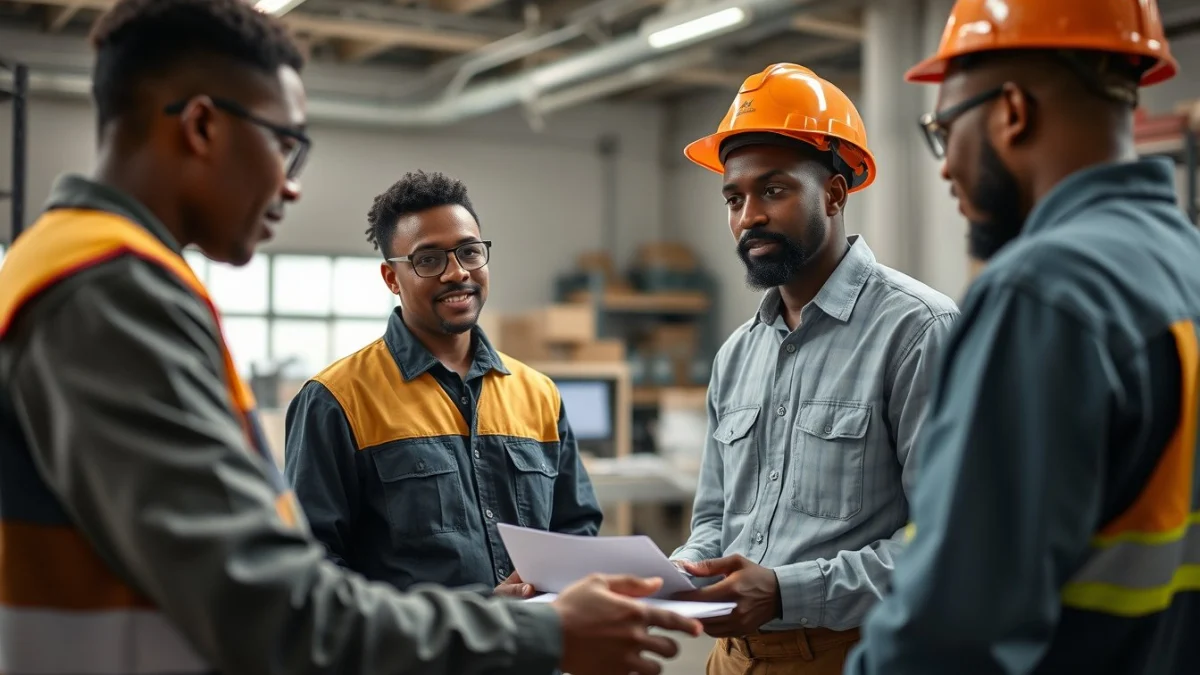
Good safety communication means speaking up about dangers without fear. It also includes listening carefully and following instructions properly. This helps avoid misunderstandings that could cause harm.
Communication must be simple and easy to understand. Use plain language and avoid technical terms that may confuse others. This is important in diverse workplaces where workers may speak different languages.
Regular meetings and safety talks are helpful. They give workers a chance to learn about new hazards and remind each other of safety rules. Posters and signs can also support these messages on the shop floor.
Key Tips for Effective Safety Communication Among Workers
- Speak clearly and calmly when discussing safety issues.
- Encourage everyone to report hazards immediately.
- Use simple language and avoid jargon.
- Listen carefully to others without interrupting.
- Confirm understanding by asking questions or repeating information.
- Use visual aids like signs, pictures, and colours to support messages.
- Hold regular safety meetings or toolbox talks with the team.
- Respect each other’s opinions and concerns.
Good safety communication starts at the top with supervisors and managers. They should lead by example and create an open environment where workers feel safe to speak up. Workers, too, must take responsibility to share information and follow safety rules.
When effective safety communication among workers exists, hazards are spotted quickly and dealt with before they cause harm. This helps build a strong safety culture where everyone looks out for one another.
In summary, clear, honest, and respectful talk about safety keeps workers aware and ready to work safely. Practising good communication builds trust and confidence in the workplace, helping reduce accidents and making the manufacturing environment safer for all.
Live Scenario • Active Situation
You are a machine operator in a busy manufacturing plant.
There is no single perfect answer. Choose what you would do in this situation.
