
How to Respond to Fire and Chemical Spills
Steps to Take During Fire and Chemical Spills
Knowing how to respond to fire and chemical spills is crucial for everyone working in manufacturing. Quick and correct actions can save lives, reduce injuries, and prevent damage to property. This guide explains practical steps to follow when a fire or chemical spill happens.
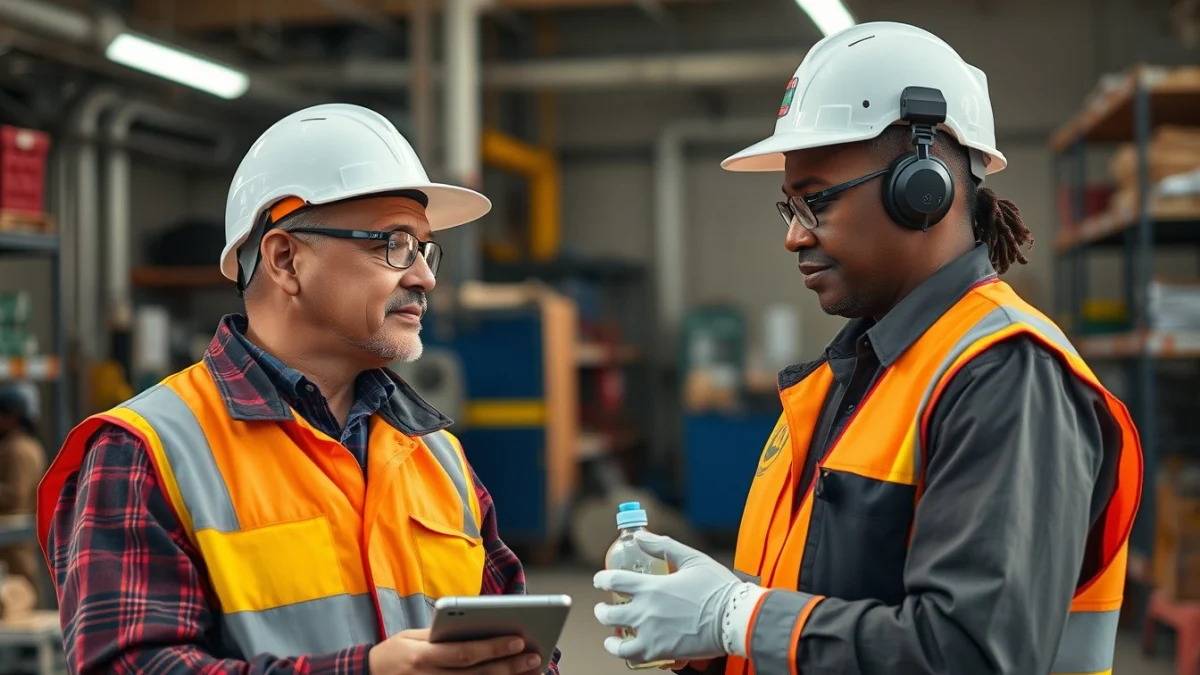
First, stay calm. Panic can make the situation worse. Assess the area safely without putting yourself at risk. If the fire or spill is too big to handle, immediately alert others and call for professional help.
Fire Response Steps
- Sound the alarm to warn everyone nearby.
- Call the emergency number for help or direct someone to do it.
- If the fire is small and you are trained, try to put it out with the right fire extinguisher.
- Use a water extinguisher for ordinary fires but never use water on electrical or chemical fires.
- Evacuate the area quickly if the fire grows or if you cannot control it.
- Close doors behind you to slow the fire’s spread.
- Do not use elevators during evacuation.
Remember, safety comes first. Do not try to fight a fire if it endangers your life.
Chemical Spill Response Steps
- Alert everyone in the area immediately.
- Check the chemical spill’s label or safety data sheet (SDS) to know its hazards.
- Wear appropriate personal protective equipment (PPE) such as gloves, goggles, and masks.
- Remove ignition sources if the chemical is flammable.
- Stop the spill from spreading by using absorbent materials or barriers.
- Do not touch or inhale the chemical directly.
- Follow your workplace’s spill clean-up procedures carefully.
- Dispose of contaminated materials safely as per guidelines.
After an incident, report it to your supervisor or safety officer. Take part in any investigation or training to improve future responses.
By knowing how to respond to fire and chemical spills, you help keep yourself and others safe at work. Always follow your workplace safety rules and never hesitate to ask for training or information on emergency procedures.
Live Scenario • Active Situation
You are a floor supervisor in a chemical mixing area at a manufacturing plant.
There is no single perfect answer. Choose what you would do in this situation.
