
Employer Responsibilities for Workplace Safety
Key Duties of Employers to Ensure Safety at Work
Employer responsibilities for workplace safety are vital in creating a safe and healthy working environment. Employers must follow the South African Occupational Health and Safety Act to protect employees from harm. This applies especially in manufacturing, where risks can be high.
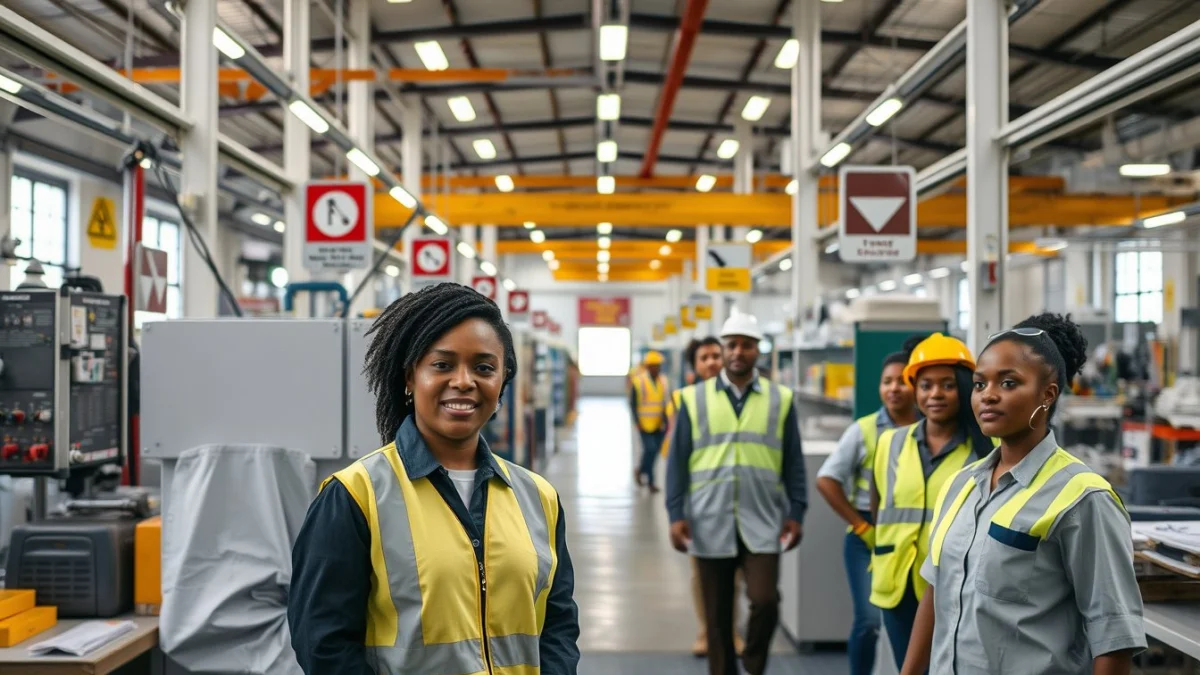
Employers must identify potential hazards in the workplace. This means regularly checking machines, tools, and work areas for anything that could cause injury or illness. It is important to fix problems quickly or provide safe procedures to avoid accidents.
Training is another key duty. Employers must teach workers how to do their jobs safely. This includes explaining how to use equipment properly, wear protective gear, and follow safety rules. Training should be clear and easy to understand for all employees.
Employers must provide the right safety equipment, such as gloves, helmets, masks or ear protection. They should ensure these are in good condition and used at all times when needed. Personal protective equipment (PPE) helps reduce risks in manufacturing work.
In case of an emergency, employers need to have clear plans and measures. This includes fire drills, first aid stations and emergency contacts. Employees should know what to do if an accident happens or if there is a fire.
Steps Employers Must Take to Keep Work Safe
- Conduct regular safety inspections
- Identify and control hazards
- Provide proper safety training
- Supply and maintain protective equipment
- Create and communicate emergency procedures
- Report and investigate workplace incidents
- Encourage workers to follow safety rules
Another important responsibility is reporting workplace injuries or dangerous conditions to the relevant authorities. This helps prevent future accidents and ensures legal compliance. Employers should keep records of all safety measures and incidents.
Creating a safety culture is essential. Employers should encourage open communication where workers feel comfortable reporting hazards or unsafe practices. Regular safety meetings can improve awareness and cooperation on safety issues.
In summary, employer responsibilities for workplace safety include identifying hazards, training workers, providing PPE, preparing for emergencies, and maintaining records. Following these duties helps protect everyone in the manufacturing workplace from harm and creates a safer, productive environment.
Live Scenario • Active Situation
You are a manufacturing floor supervisor responsible for workplace safety.
There is no single perfect answer. Choose what you would do in this situation.
