
Using Mechanical Handling Equipment Safely
How to Protect Yourself and Others When Using Mechanical Handling Equipment
Using mechanical handling equipment safely is very important in any manufacturing workplace. This equipment helps to move heavy materials quickly and reduces the risk of injuries when used correctly. However, if not handled with care, it can cause serious accidents and damage. This guide will explain how to work safely with machines like forklifts, hoists, conveyors, and pallet jacks.
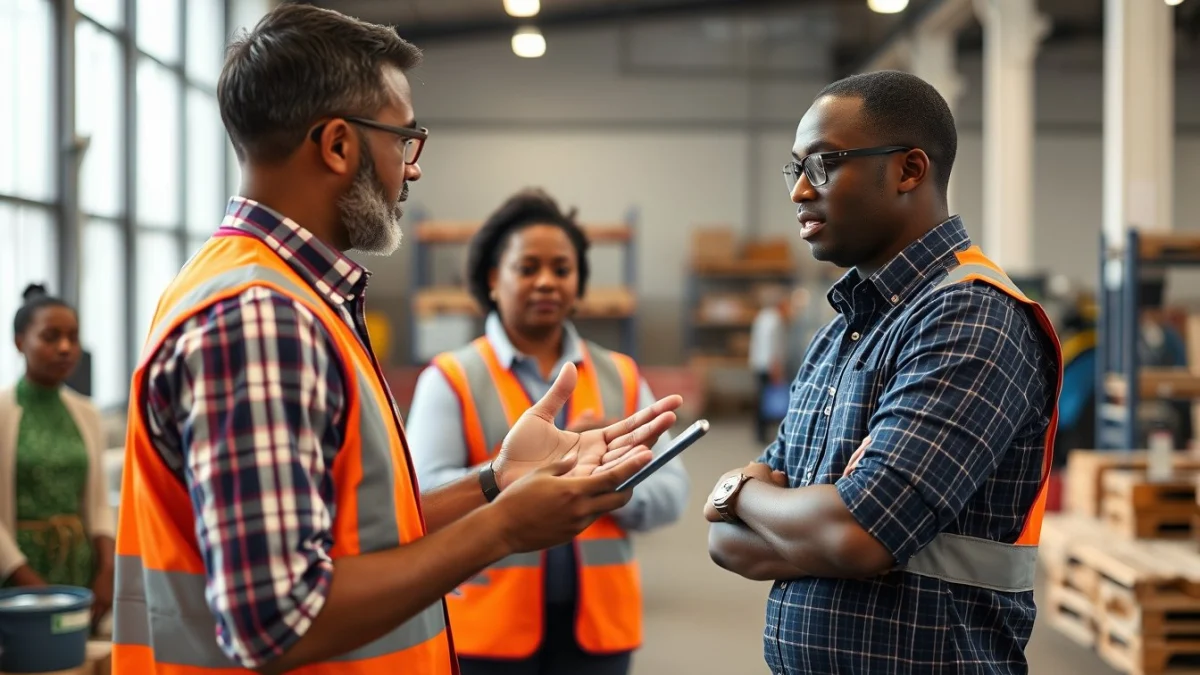
First, always get proper training before using any mechanical handling equipment. Only trained and authorised workers should operate these machines. Training covers the correct controls, safety features, and safe operating procedures for each type of equipment.
Before you start using any equipment, carry out a safety check. Inspect the machine for any signs of damage or wear. Check brakes, tyres, grips, cables, and controls to make sure everything works well. Do not use faulty equipment – report it immediately to your supervisor.
Always wear the proper personal protective equipment (PPE). This may include safety boots, gloves, hard hats, and high-visibility clothing. Wearing PPE protects you from injuries caused by moving parts or dropped materials.
Safe Operating Tips
- Keep loads balanced and secure before lifting or moving.
- Do not overload the equipment beyond its safe working load.
- Follow the designated routes when moving materials and obey all workplace signs.
- Use spotters when visibility is limited or loads block your view.
- Keep hands, feet, and other body parts clear of moving parts.
- Drive equipment at safe speeds, especially around corners and in busy areas.
- Always lower loads to the ground or resting position before leaving the equipment.
- Switch off and secure the equipment after use to prevent unauthorised use.
When stacking or storing materials with mechanical equipment, make sure the stacks are stable and not too high. Poor stacking can cause materials to fall and injure workers. Leave enough space for safe movement around stored materials.
Communication is key when working with mechanical handling equipment. Use hand signals, radios, or other agreed methods to stay in contact with co-workers and avoid accidents. Ensure everyone in the area knows when a machine is being used near them.
Regular maintenance of machinery is necessary to keep it working safely. Follow the manufacturer’s maintenance schedule, and report any issues immediately. Defective equipment can cause accidents if faults are ignored.
In case of an emergency, know the emergency procedures and the location of safety equipment such as fire extinguishers and first aid kits. Quickly stop the machine and get help if an accident or breakdown occurs.
By following these rules and using mechanical handling equipment safely, you protect yourself and your co-workers. Always remember that safety is the most important part of working with heavy machinery and materials in a manufacturing environment.
Live Scenario • Active Situation
You are a warehouse operator tasked with moving heavy materials using a forklift in a busy manufacturing plant.
There is no single perfect answer. Choose what you would do in this situation.
