
Understanding the Importance of Safety in Manufacturing
Why Safety Matters in Manufacturing
Understanding the importance of safety in manufacturing is key to creating a safe and productive work environment. Manufacturing involves using machines, tools, and chemicals that can be dangerous if not handled properly. When safety is a priority, workers are protected from injuries and accidents, and businesses can operate smoothly without stoppages or legal problems.
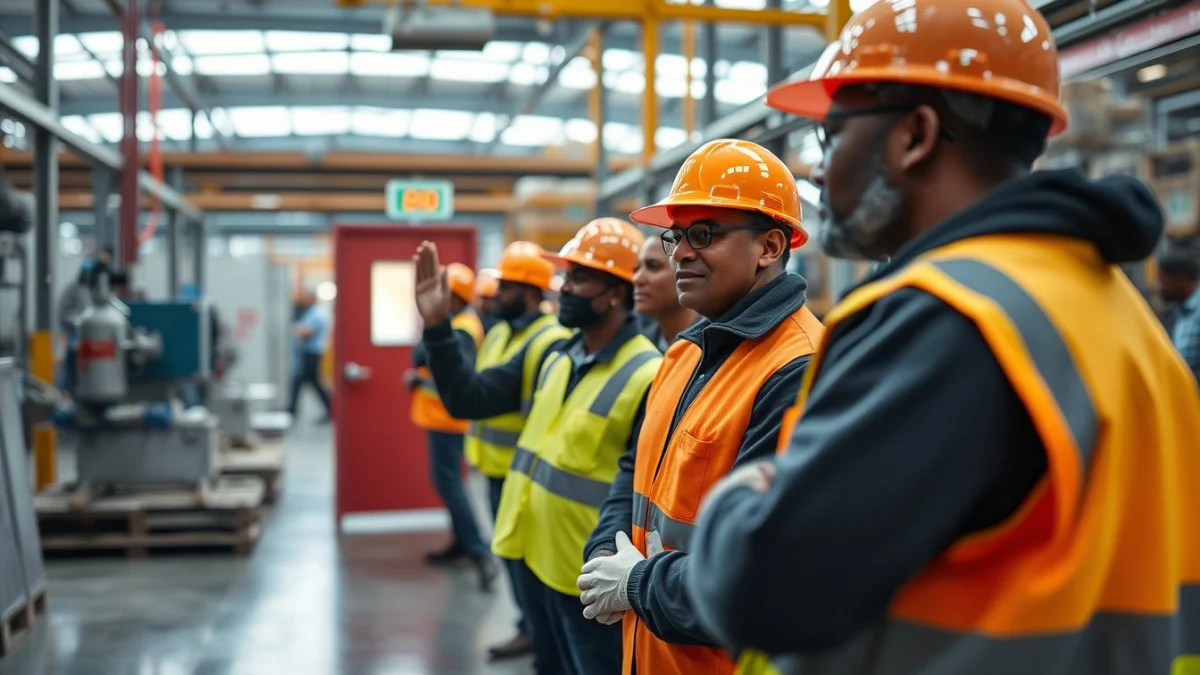
In South Africa, many manufacturing industries must follow strict safety rules set by organisations like the Department of Labour. These rules help prevent accidents and protect workers’ health. Knowing why safety matters helps every employee take the right steps to avoid hazards.
Main Reasons to Focus on Safety
- Protect Workers: Manufacturing work can cause serious injuries without proper safety measures. Using protective gear and following safe procedures keeps everyone safe.
- Improve Productivity: Accidents cause delays and disrupt work. A safe workplace helps employees focus and complete tasks faster.
- Reduce Costs: Injuries and accidents can lead to medical bills, compensation claims, and damage to equipment. Safety reduces these expenses.
- Follow the Law: South African safety laws require factories to maintain safe environments. Non-compliance can result in fines and shutdowns.
- Boost Morale: Workers feel valued and motivated when their safety is taken seriously, leading to better teamwork and job satisfaction.
Manufacturing safety is about more than just rules and equipment. It is about building a safety culture where every person understands their role in keeping the workplace safe. This means being alert, reporting risks, and supporting each other.
Knowing the risks in manufacturing can help prevent many accidents. Machines with moving parts, electrical equipment, sharp tools, and hazardous substances are common dangers. Learning how to use these safely and following guidelines can save lives.
Employers must provide proper training, safety gear, and clear instructions. Employees must wear protective clothing like gloves, helmets, and goggles when needed and never take shortcuts.
In summary, understanding the importance of safety in manufacturing means recognising that safety protects workers, improves business, and is the responsibility of everyone on site. Staying safe keeps South African manufacturing strong and sustainable.
Live Scenario • Active Situation
You are a machine operator in a South African manufacturing plant.
There is no single perfect answer. Choose what you would do in this situation.
