
Common Risks and Hazards in Manufacturing Workplaces
Common risks and hazards in manufacturing workplaces can cause accidents or health problems if not managed properly. Understanding these dangers helps workers stay safe and makes the workplace better for everyone. Manufacturing often involves machines, tools, chemicals, and physical labour, all of which carry some risk.
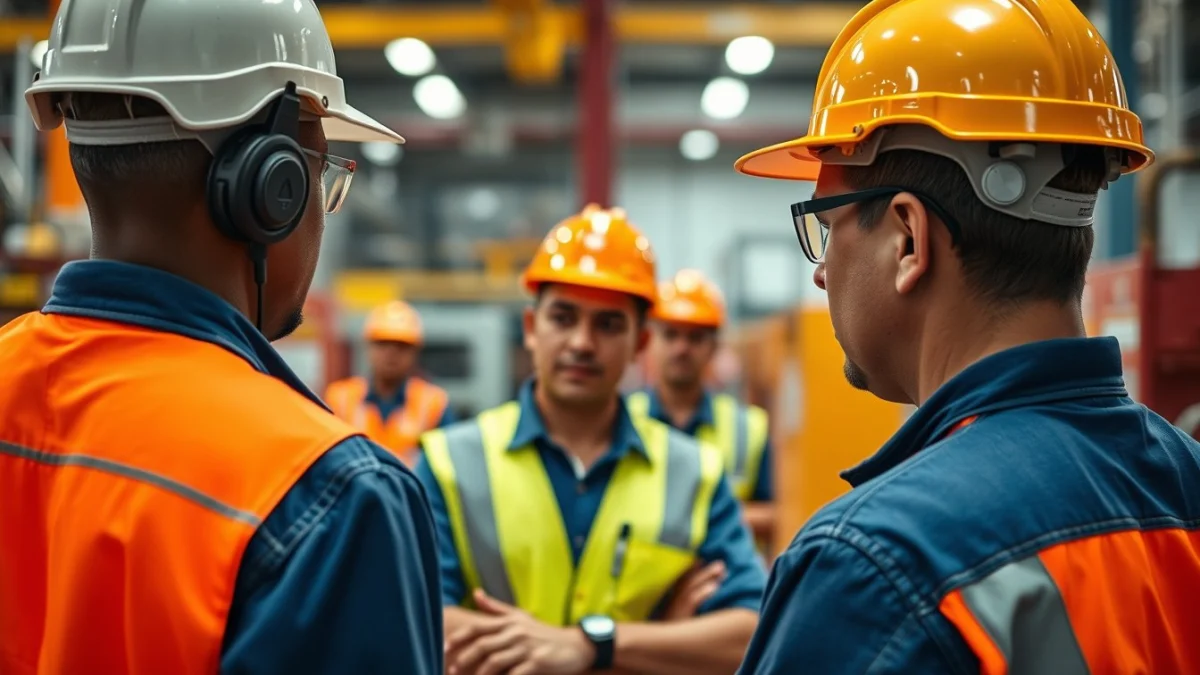
Key Risks and Hazards You Should Know
Here are some common hazards found in many manufacturing settings. Knowing them helps you spot dangers and take steps to protect yourself and your co-workers.
- Machinery and Equipment: Machines can cause cuts, crush injuries, or amputations if they are not used or maintained safely. Moving parts, sharp edges, and pinch points are common dangers.
- Slips, Trips, and Falls: Spilled liquids, uneven floors, and poor lighting can cause workers to slip or trip. Falls can happen from ladders, platforms, or stairs, leading to serious injuries.
- Chemical Exposure: Many factories use chemicals like solvents, paints, or cleaning agents. These can harm skin, eyes, or lungs if proper protective equipment is not worn. Some chemicals are poisonous or flammable.
- Noise: Loud machines can damage hearing over time. Constant exposure to high noise levels needs proper hearing protection to avoid long-term hearing loss.
- Manual Handling: Lifting or carrying heavy loads without correct technique can cause back strains or other musculoskeletal injuries. Using lifting aids and team lifting reduces this risk.
- Fire and Explosions: Manufacturing often uses fuels, flammable liquids, or dust that can catch fire. Failure to follow fire safety procedures can lead to burns, injuries, or even fatalities.
- Electrical Hazards: Faulty wiring, damaged equipment, or improper use of electrical devices can cause shocks or fires. Regular inspections and safe work practices prevent accidents.
- Ergonomic Hazards: Poor workstation setup or repetitive tasks can lead to discomfort, pain, or long-term injuries. Adjusting workstations and taking breaks helps reduce ergonomic risks.
Managing these risks is important to create a safe manufacturing environment. Employers must provide training, safety equipment, and clear procedures. Workers should always follow safety rules and report hazards.
By understanding common risks and hazards in manufacturing workplaces, everyone can work more safely and reduce accidents. Safety is a shared responsibility that protects lives and ensures productive work.
Live Scenario • Active Situation
You are a machine operator in a metal parts manufacturing plant.
There is no single perfect answer. Choose what you would do in this situation.
