
Types of Machine Guards and Their Functions
Understanding Machine Guards for Safe Manufacturing
Types of Machine Guards and Their Functions are important to know for anyone working in manufacturing. Machine guards protect workers from injuries by preventing contact with dangerous parts. Different guards serve different safety purposes. Using the right guard reduces accidents and keeps the workplace safe.
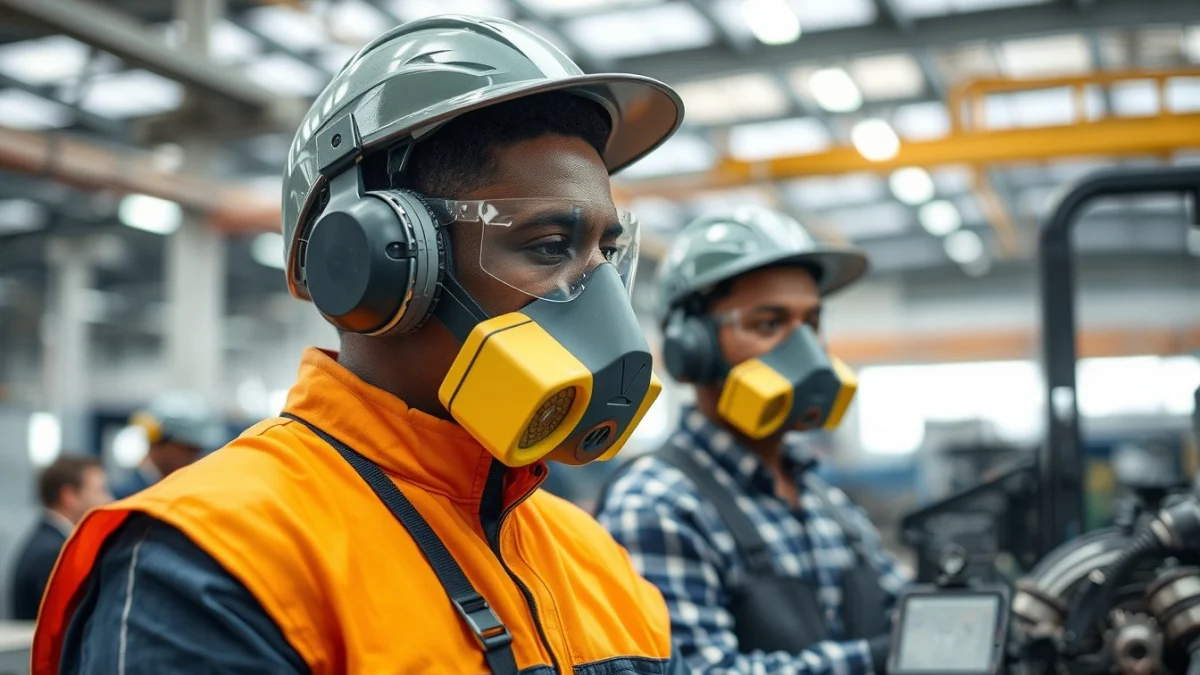
Here are the main types of machine guards and what they do:
- Fixed Guards
These guards are permanent and cannot be moved while the machine runs. Fixed guards cover hazardous parts fully. They stop hands or clothing from touching moving parts like gears or blades. They are simple but very effective. - Interlocking Guards
These guards are connected to the machine’s power system. When a guard is opened or removed, the machine automatically stops. Interlocking guards protect operators by making sure the machine can only run if the guard is in place. - Adjustable Guards
Adjustable guards can be changed to fit the size of the material being worked on. This type lets operators safely work with different sizes while still keeping dangerous parts covered. It combines flexibility and protection. - Self-Adjusting Guards
Self-adjusting guards move or open only when material passes through, then close immediately after. For example, a guard with spring-loaded fingers allows only the workpiece to enter while keeping hands out. These guards protect without blocking work flow. - Automatic Guards
These guards work on their own without operator action. For example, a barrier that moves into place when the machine starts. They are designed to give constant protection during machine use.
Each type of guard serves a specific safety function. Combining guards may be necessary for full protection. Good machine guarding is required by South African safety laws, like the Occupational Health and Safety Act, to prevent accidents in factories.
In summary, knowing the Types of Machine Guards and Their Functions helps you work safely and avoid hazards. Always check that guards are properly fitted and never remove or bypass them. Keeping guards in place protects lives and keeps work running smoothly.
Live Scenario • Active Situation
You are a machine operator in a South African manufacturing plant working with a cutting machine.
There is no single perfect answer. Choose what you would do in this situation.
