
Maintaining Personal and Workplace Hygiene
Maintaining personal and workplace hygiene is very important for safety and health in manufacturing. Good hygiene helps prevent illness, stops accidents, and keeps the work environment clean and safe for everyone.
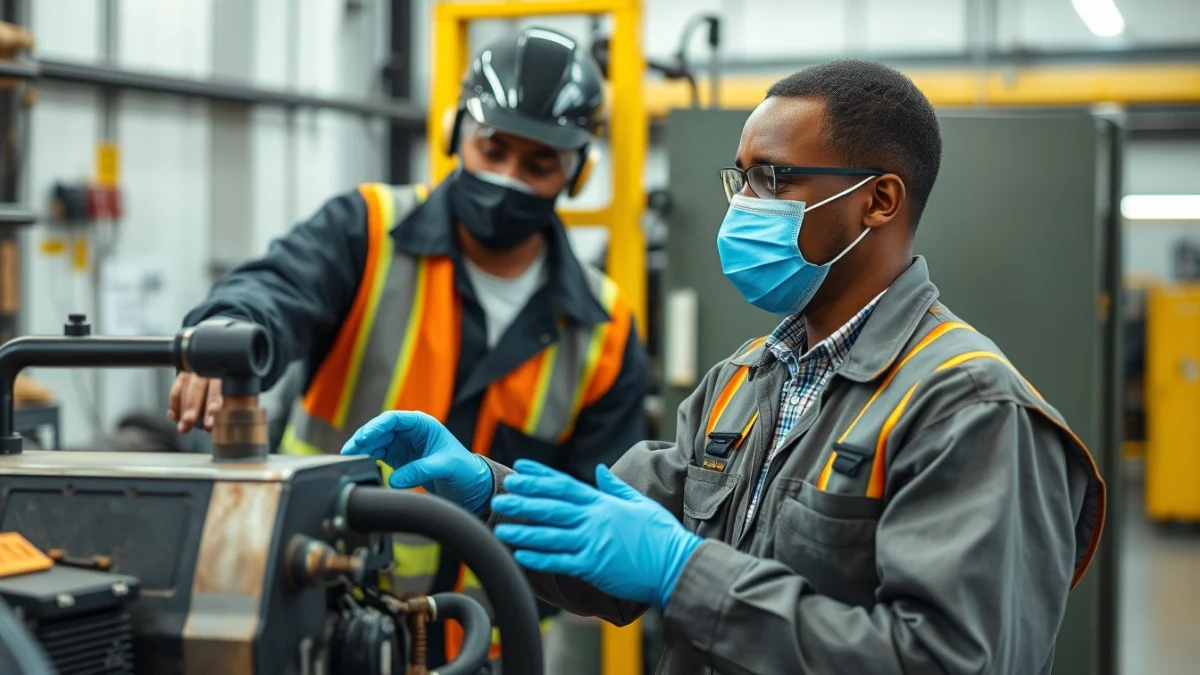
Why Hygiene Matters in Manufacturing
Manufacturing workplaces often involve machines, chemicals, and materials that can cause harm if hygiene is ignored. Poor personal hygiene can spread germs, while dirty work areas can lead to contamination and accidents. Clean and healthy workers perform better and reduce risks of injury and disease.
Maintaining personal hygiene means keeping your body clean, wearing clean clothes and protective gear, and washing your hands regularly, especially before eating or after handling materials. This practice stops the spread of bacteria and harmful substances at work and outside.
Workplace hygiene involves keeping the factory floor, machines, tools, and common areas clean and tidy. Regular cleaning reduces dust, grease build-up, and spills, which could cause slips, trips, and falls.
Simple Steps to Keep Good Hygiene
- Wash hands with soap and water before breaks, shifts, and after using the toilet.
- Wear clean uniforms and protective clothing correctly at all times.
- Cover cuts or wounds with clean bandages to avoid contamination.
- Keep nails short and avoid wearing jewellery that can catch dirt or machines.
- Clean and disinfect workstations, tools, and equipment daily.
- Dispose of waste properly in bins to prevent smells and pests.
- Report any spills, leaks, or unsafe conditions to supervisors quickly.
- Use personal protective equipment (PPE) to avoid contact with chemicals or dust.
- Avoid eating or drinking near machines or work areas to prevent contamination.
When everyone practises good hygiene, the whole workplace stays safer and healthier. This cuts down on sick days and improves productivity. It also shows respect for your colleagues and the workplace.
Remember, maintaining personal and workplace hygiene is not just about staying clean. It is a key part of preventing injuries and illnesses, reducing downtime, and meeting health and safety legal requirements.
If you are unsure how to keep good hygiene at work, ask your supervisor or health and safety officer for guidance and training.
Live Scenario • Active Situation
You are a machine operator in a manufacturing plant responsible for maintaining your workstation and personal hygiene.
There is no single perfect answer. Choose what you would do in this situation.
