
Common Emergencies in Manufacturing Settings
Types of Emergencies You May Encounter in Manufacturing
Common emergencies in manufacturing settings happen when unexpected events put people, equipment, or the workplace in danger. Knowing what these emergencies are helps workers stay safe and respond quickly to reduce harm.
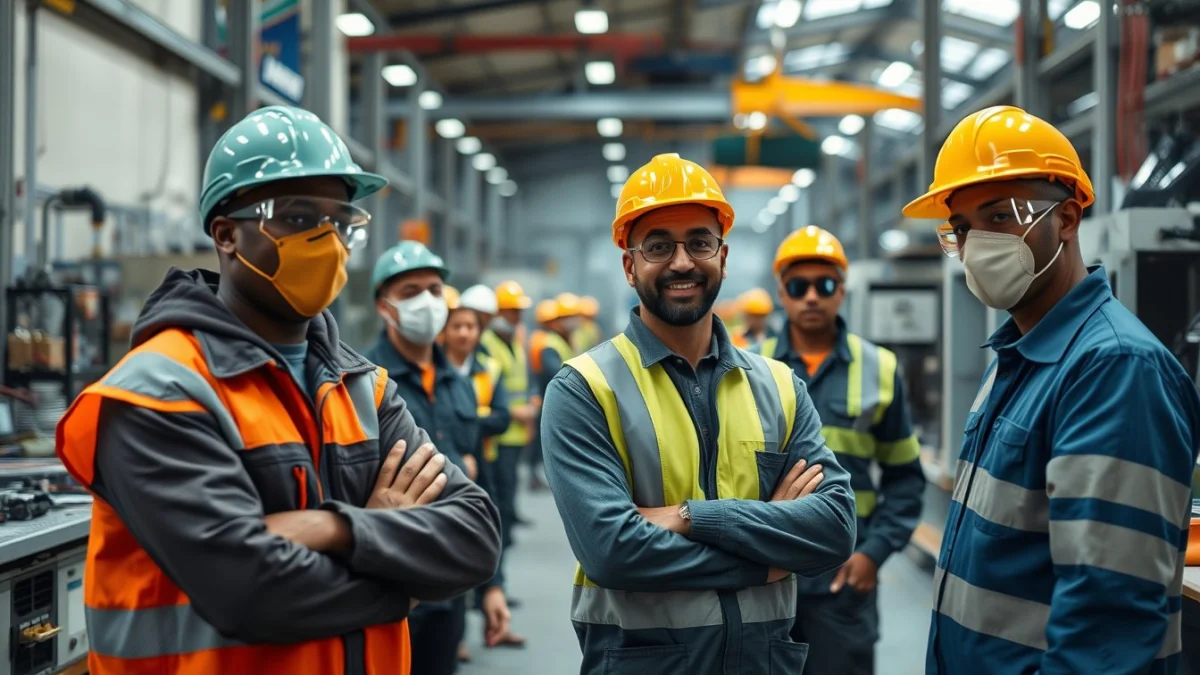
Manufacturing environments often involve heavy machinery, chemicals, electricity, and fast-moving processes. These factors increase the chances of emergencies such as fires, machine accidents, spills, and electrical shocks.
Typical Emergencies in Manufacturing Settings
- Fires and Explosions: Flammable materials, gases, or faulty wiring can cause fires. Explosions might happen if gases or chemicals ignite suddenly. Quick action and proper equipment like fire extinguishers are vital.
- Machine Accidents: Moving parts can catch clothes or limbs, causing injuries. Machines may also break down, creating hazards. Always follow safety procedures and use guards on equipment.
- Chemical Spills and Exposure: Chemicals may leak or spill, harming skin, eyes, or lungs. Workers must know how to handle and clean these safely, using proper protective gear.
- Electrical Emergencies: Faulty wiring, wet floors near electrical devices, or damaged cables can cause shocks or even fires. Switch off power sources when fixing problems and avoid water near electricity.
- Slips, Trips, and Falls: Wet floors, uneven surfaces, or clutter increase fall risks. Keeping walkways clean and wearing appropriate footwear reduces these accidents.
- Medical Emergencies: Injuries like cuts, burns, or fainting require immediate care. Knowing first aid and having trained responders on site saves lives.
- Power Failures: Sudden loss of power can stop machines unexpectedly. It may also affect safety systems and lighting. Prepare for blackouts with emergency plans.
Being aware of these common emergencies in manufacturing settings helps workers act fast and correctly. Always follow your workplace safety rules, attend emergency drills, and report hazards immediately. Staying prepared saves lives and prevents serious damage.
Live Scenario • Active Situation
You are a maintenance technician in a manufacturing plant handling machines and electrical equipment.
There is no single perfect answer. Choose what you would do in this situation.
