
How to Identify Workplace Hazards Effectively
Practical Steps to Spot Hazards in the Workplace
How to Identify Workplace Hazards Effectively is an important skill for keeping everyone safe in manufacturing settings. Hazards are anything that can cause harm to people, equipment, or the environment. Learning to spot these hazards quickly helps prevent accidents and injuries.
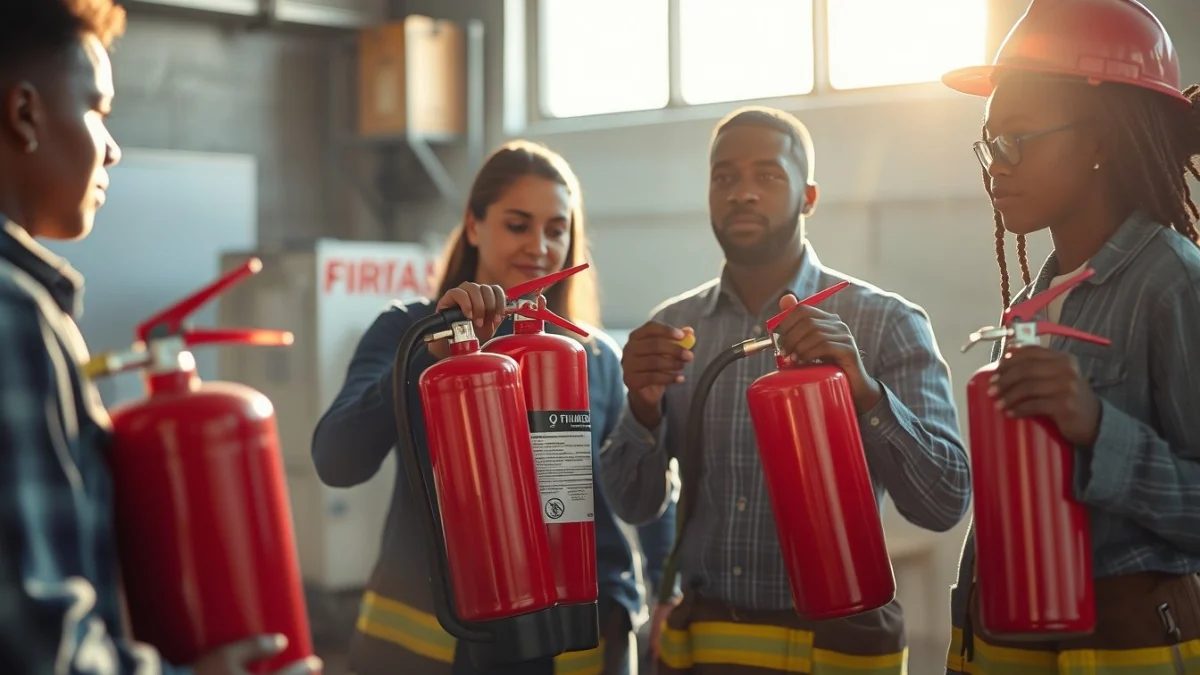
Start by understanding common types of hazards in manufacturing areas. These include physical hazards like moving machinery, chemical hazards from liquids or dust, ergonomic hazards from poor posture, and environmental hazards such as noise or heat.
To identify hazards effectively, follow these key steps:
- Walk through the workplace regularly. Look carefully at every area where work happens. Pay special attention to places where accidents might easily occur, such as near machines or storage areas.
- Talk to workers who do the tasks every day. They often know about risks that might not be obvious at first sight.
- Check equipment and tools for signs of wear, damage, or incorrect use. Faulty equipment can be a serious hazard.
- Look for unsafe behaviours like not using safety gear or rushing through tasks. Behavioural hazards can cause accidents too.
- Use checklists and guidelines based on industry standards. These tools help make sure no hazard is missed during inspections.
- Review incident reports and near misses. These often point out hazards that were not identified before.
Always remember that some hazards are not easy to see. For example, chemical fumes or loud noises may need special instruments to detect. Using gas detectors or sound level meters can help find these hidden dangers.
Once hazards are identified, it is important to record them clearly. This way, the team knows what problems exist and can plan how to fix or control them.
Being proactive and involving everyone in hazard identification creates a safer workplace. Regular training and sharing safety information keep workers alert and aware.
By following these practical steps, learners and workers will improve their skills in spotting risks. This knowledge helps reduce accidents and supports a strong safety culture in manufacturing environments.
Live Scenario • Active Situation
You are a safety officer at a busy manufacturing plant tasked with identifying workplace hazards to prevent accidents and injuries.
There is no single perfect answer. Choose what you would do in this situation.
