
Managing Noise and Dust Exposure Safely
How to Protect Yourself from Noise and Dust at Work
Managing noise and dust exposure safely is very important in manufacturing workplaces. These hazards can harm your health if you do not take the right steps to control them. Noise can damage your hearing, and dust can cause breathing problems. Understanding how to reduce these risks helps keep you safe and healthy on the job.
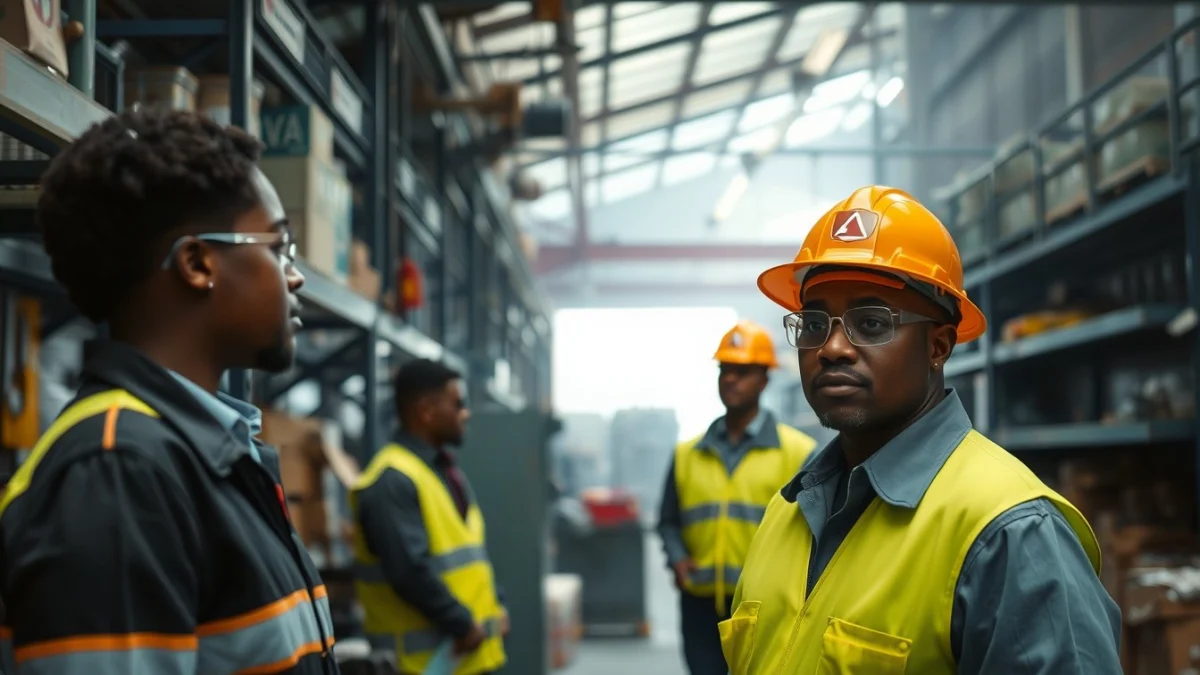
Noise in manufacturing comes from machines, tools, and processes. Too much noise can lead to permanent hearing loss. Dust comes from materials like metal, wood, or chemicals used in making products. Breathing in dust over time can cause lung diseases and allergies.
Steps to Manage Noise Exposure
- Reduce noise at the source: Use quieter machines or maintain equipment so it runs smoothly and makes less noise.
- Control noise transmission: Install barriers, enclosures, or dampeners to block or absorb sound.
- Use hearing protection: Wear earplugs or earmuffs when noise levels are high.
- Limit exposure time: Take breaks away from noisy areas and rotate job tasks to reduce the time spent in loud environments.
- Regular hearing checks: Attend medical exams to monitor your hearing health and catch any problems early.
Controlling dust is just as important. Dust particles can irritate your eyes, nose, and throat, and long-term exposure can cause serious lung damage.
How to Control Dust Exposure
- Use local exhaust ventilation: This system captures dust right where it is made and removes it from the air.
- Keep the workplace clean: Regularly clean floors, machines, and surfaces to stop dust from spreading.
- Wear proper masks or respirators: Use the correct respiratory gear to filter dust when working in dusty areas.
- Use wet methods: Wetting surfaces while cutting or grinding reduces dust from becoming airborne.
- Proper storage and disposal: Store dusty materials in sealed containers and dispose of waste safely.
It is also important to understand workplace rules and health and safety guidelines. Always follow instructions and use the protective equipment provided. Report any unsafe conditions or health symptoms to your supervisor immediately.
By managing noise and dust exposure safely, you protect your health now and in the future. Keep these tips in mind to work in a safer, cleaner, and healthier environment.
Live Scenario • Active Situation
You are a machine operator in a metal manufacturing plant.
There is no single perfect answer. Choose what you would do in this situation.
