
Personal Protective Equipment (PPE) Use
How to Use Personal Protective Equipment Safely in Food Manufacturing
Personal Protective Equipment (PPE) Use is an essential part of keeping safe in food manufacturing. PPE protects workers from risks like chemicals, sharp tools, hot surfaces, and germs that can cause illness or injury.
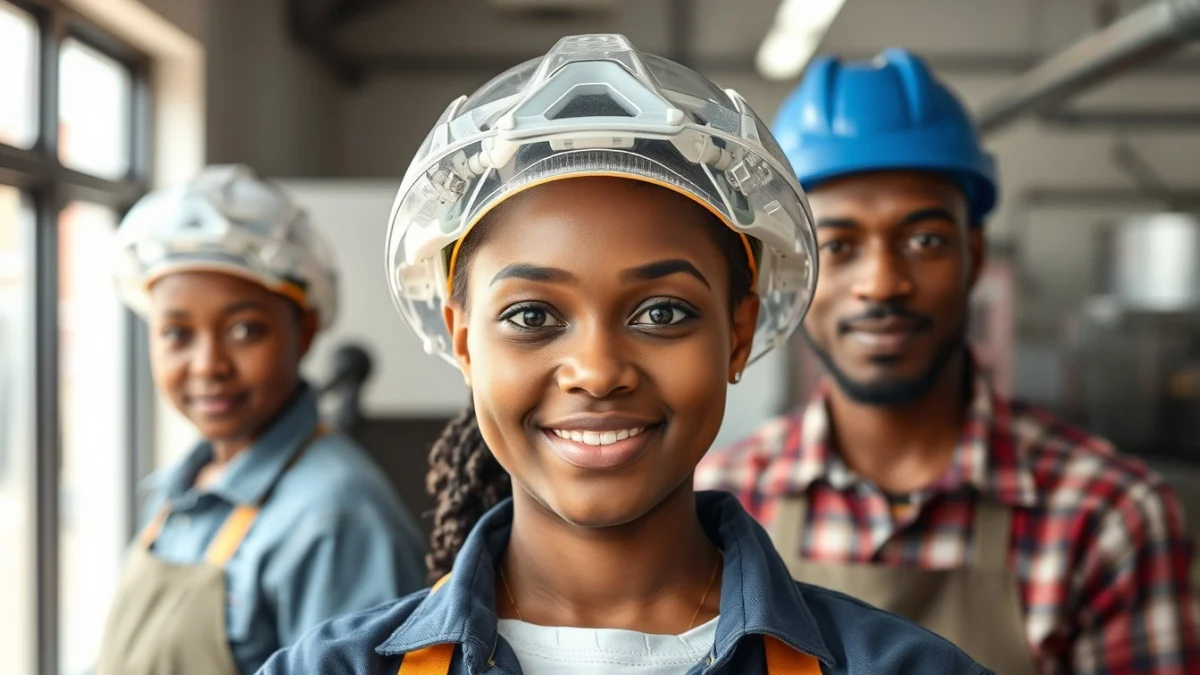
It is important to understand the types of PPE you need and how to use them properly. Wearing the correct PPE reduces the chance of accidents and helps keep the food safe from contamination.
Common Types of PPE in Food Manufacturing
- Gloves: Protect hands from chemicals, cuts, and germs. Use the right gloves for the task, such as disposable gloves for handling food and heavy-duty gloves for cleaning.
- Face Masks and Hairnets: Keep food free from droplets and hair. Masks protect you and the product from bacteria and viruses.
- Safety Goggles: Shield your eyes from splashes of chemicals or hot substances.
- Aprons and Protective Clothing: Prevent contamination and protect your clothes from spills and heat.
- Safety Shoes: Prevent slips, trips, and injuries from heavy objects or sharp items on the floor.
Always check your PPE before use. Make sure it is clean, not damaged, and fits properly. PPE that is too loose or too tight can be unsafe or uncomfortable.
One of the most important rules is to wear PPE all the time when required. Do not remove it during work unless it is safe to do so. Proper use means putting on equipment correctly and taking it off safely without contaminating yourself or the food.
After use, clean and store PPE according to your workplace rules. Some PPE should be thrown away after one use, like disposable gloves. Others, like goggles, need to be cleaned and disinfected before the next use.
Training is important so every worker knows how to use and care for PPE. Follow the instructions given by your employer and report any broken or missing equipment right away. This keeps everyone safer on the job.
By following these simple steps for Personal Protective Equipment (PPE) Use, you help prevent accidents and keep the food production environment clean and safe for all.
Live Scenario • Active Situation
You are a food production line worker in a factory processing ready-to-eat meals.
There is no single perfect answer. Choose what you would do in this situation.
