
Minimising Risks during Distribution
How to Keep Food Safe When Distributing
Minimising risks during distribution is important to make sure food products stay safe, fresh, and of good quality from the factory to the shops or customers. Poor handling during this stage can cause food spoilage, contamination, or damage, leading to health problems and financial losses. Here are practical ways to reduce these risks in food distribution.
First, it is vital to keep food at the correct temperatures. Most perishable food needs cold storage below 5°C. Hot foods should stay above 60°C to stop bacteria from growing. Use refrigerated trucks and temperature monitors to control this during transport.
Next, proper packaging protects food. Packaging should be strong enough to prevent damage and sealed to stop contamination from dust, dirt, pests, or moisture. Use clean, food-grade materials and check packages before loading.
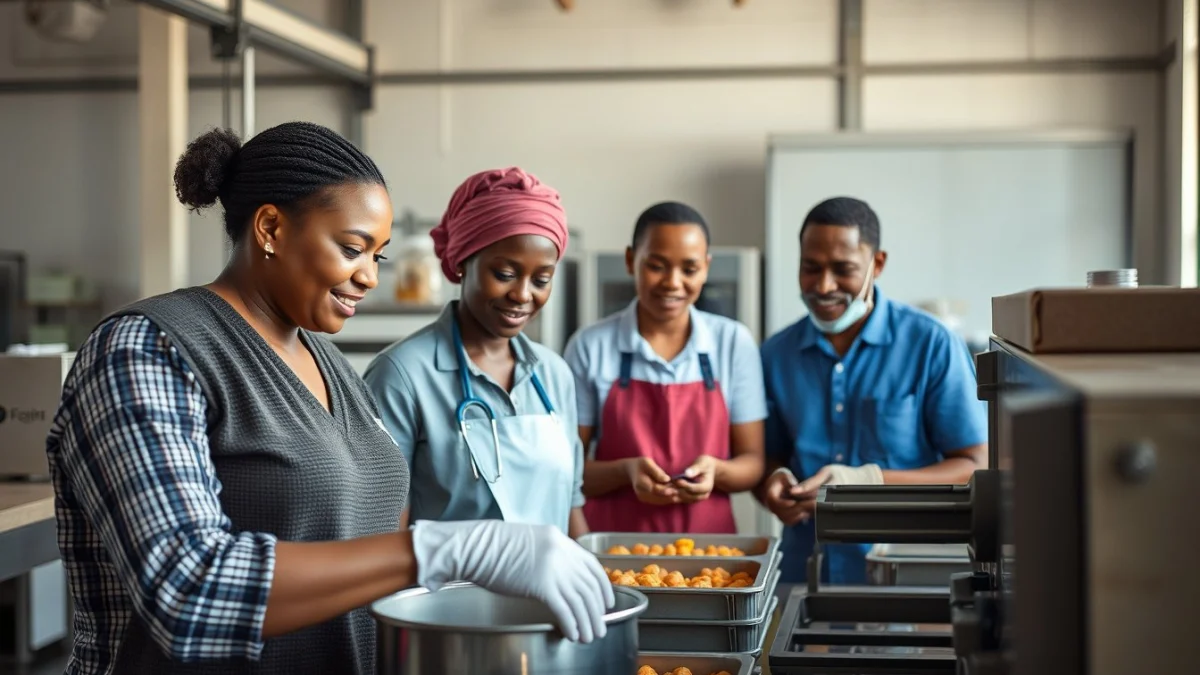
Cleanliness and hygiene are key. Vehicles and containers must be cleaned and sanitised regularly to avoid cross-contamination. Workers handling food should wear clean clothes, gloves, and hairnets. Good personal hygiene should be enforced.
Loading and unloading should be done carefully to avoid physical damage to products. Use pallets to keep items off the floor and secure loads to prevent shifting during travel. This also helps prevent accidents and spills.
Steps to Minimise Risks During Distribution
- Maintain correct temperature for each food type
- Use proper, sealed packaging
- Clean and sanitise vehicles and equipment regularly
- Train staff in hygiene and safe handling procedures
- Keep transport vehicles pest-free
- Load and secure products properly
- Monitor delivery times to avoid delays
- Record transport conditions for traceability
Finally, good communication and planning help avoid longer transport times. Delays can cause food to spoil or lose quality. Planning routes and delivery schedules carefully, and informing customers of delivery times, reduces these risks.
Minimising risks during distribution protects consumers and the reputation of food businesses. Following these steps means food reaches buyers safely and in good condition.
Live Scenario • Active Situation
You are a distribution supervisor in charge of loading and dispatching perishable food products from the factory to retailers.
There is no single perfect answer. Choose what you would do in this situation.
