
Preventing Contamination through Hygiene
How Good Hygiene Stops Food Contamination
Preventing contamination through hygiene is very important in food manufacturing. Contamination happens when harmful bacteria, viruses, or chemicals get into food. This can cause food poisoning and make people sick. To keep food safe, workers must follow good personal and workplace hygiene practices every day.
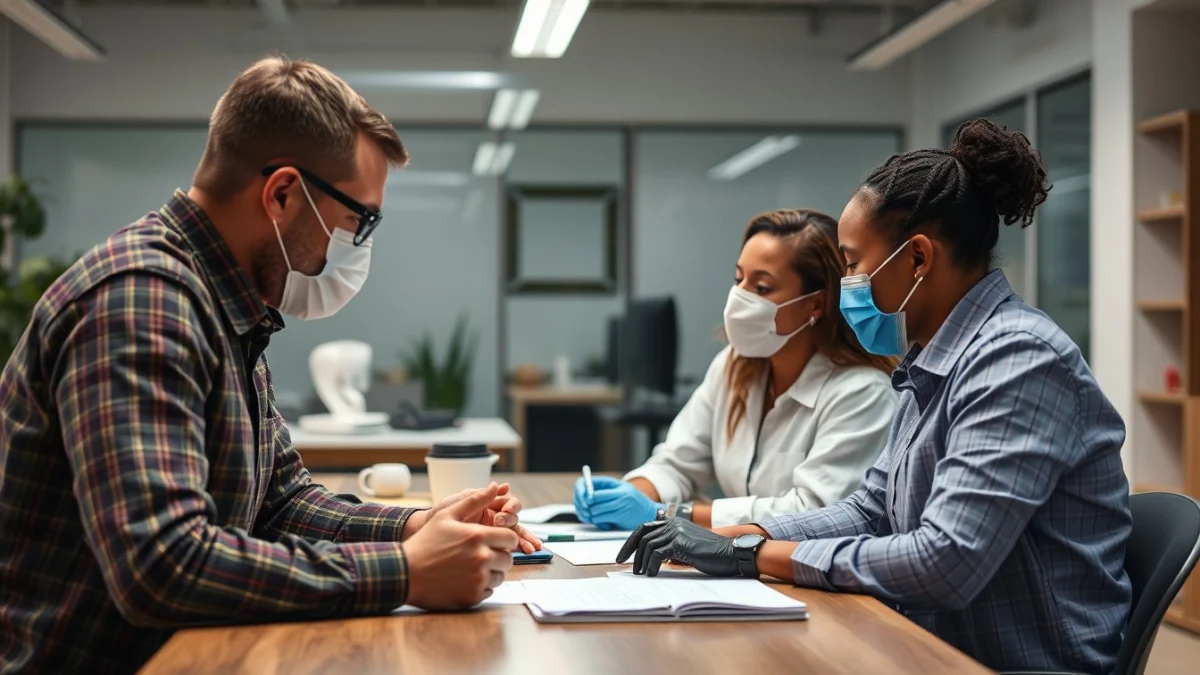
Personal hygiene means keeping your body clean. This includes washing your hands often, especially before handling food, after using the toilet, after sneezing or coughing, and after touching dirty surfaces. Clean hands stop germs from spreading to food.
Washing hands properly is simple but very effective. Use warm water and soap, scrub all parts of your hands for at least 20 seconds, and rinse well. Dry your hands with a clean towel or air dryer. Avoid touching your face, hair, or body while working with food.
Keep your body and clothes clean too. Wear clean work clothes, aprons, and hairnets. Regularly wash your clothing to reduce germs. Avoid wearing jewellery or watches when working with food as they can carry bacteria and fall into food.
Key Hygiene Habits to Prevent Contamination
- Wash hands before starting work and after any break
- Use gloves if required, but change them regularly
- Cover cuts or wounds with waterproof plasters
- Keep nails short and clean, and avoid nail polish
- Avoid touching food with bare hands as much as possible
- Do not eat, drink, smoke, or chew gum in food areas
Workplace hygiene also plays a big role. Keep the work area clean and tidy. All surfaces, equipment, and tools must be cleaned and sanitised regularly. This stops germs from building up and contaminating food.
Dispose of waste properly and quickly. Waste bins should have lids and be emptied often to prevent pests like flies and rodents. Control pests by keeping doors closed and using approved pest control methods.
By following these simple hygiene steps, food workers help prevent contamination through hygiene. This protects the health of consumers and keeps the food manufacturing process safe and trustworthy.
Live Scenario • Active Situation
You are a food production worker in a South African food manufacturing plant.
There is no single perfect answer. Choose what you would do in this situation.
