
Continuous Improvement and Staff Training
How Continuous Improvement and Staff Training Boost Food Manufacturing
Continuous Improvement and Staff Training are essential for success in food manufacturing. These practices help factories stay safe, efficient, and produce high-quality food that meets customer needs.
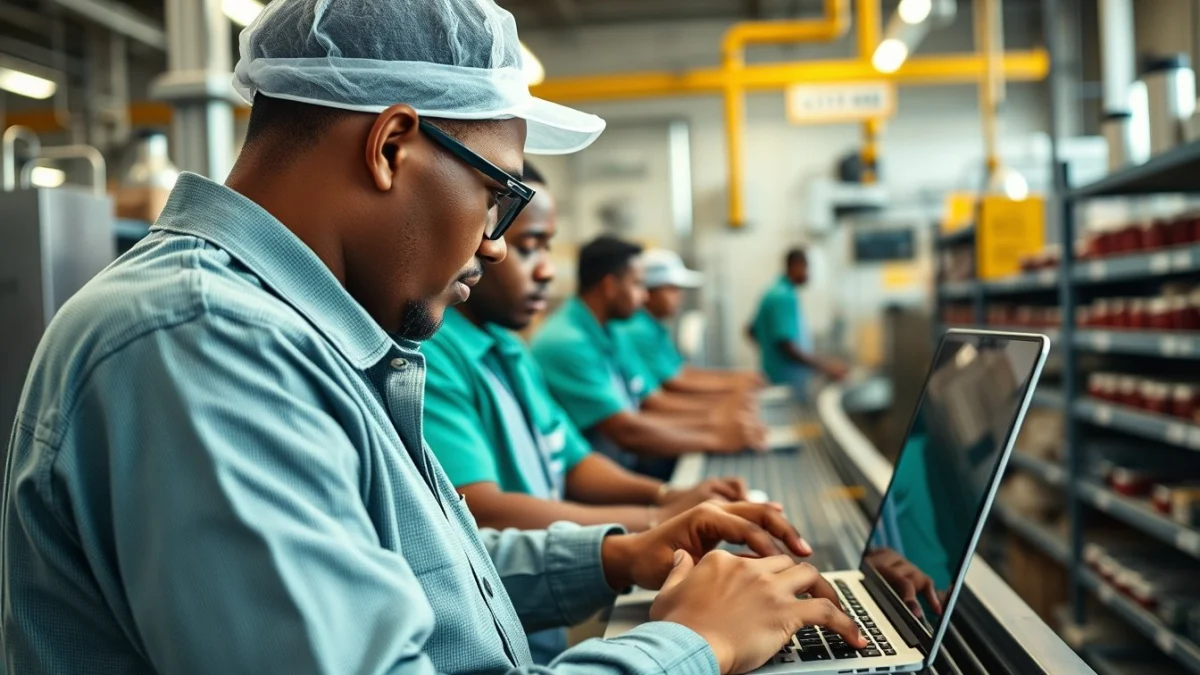
Continuous Improvement means always looking for ways to make processes better. This could involve finding faster methods, reducing waste, or improving food safety. It is not about making one big change, but small changes that add up over time.
Staff Training ensures that all workers have the skills and knowledge needed to work safely and efficiently. Well-trained staff understand food safety rules, operate machines correctly, and follow best practices to avoid errors and accidents.
Benefits of Continuous Improvement and Staff Training
- Better Quality: Continuous Improvement helps spot problems early and fix them, leading to better product quality.
- Increased Efficiency: Training and improvements reduce downtime and waste, saving time and money.
- Stronger Safety: Staff training keeps workers safe and reduces risks of contamination.
- Higher Morale: Workers feel more confident when they receive ongoing training and see their workplace improving.
- Customer Satisfaction: Making better products more efficiently leads to happier customers and repeat business.
To make Continuous Improvement and Staff Training effective, management should encourage feedback from workers and provide regular training sessions. Employees should learn how to spot problems and suggest ideas for improvement. Training could include food safety, machine handling, hygiene, and quality control.
Using tools like checklists, audits, and simple quality control methods helps track improvements over time. Staff should be involved in measuring progress and rewarded for good ideas or excellent work.
In summary, Continuous Improvement and Staff Training work hand in hand to build a safer, higher-quality, and more efficient food manufacturing process. Both are ongoing efforts that benefit workers, management, and customers alike.
Live Scenario • Active Situation
You are a shift supervisor in a food manufacturing plant focusing on Continuous Improvement and Staff Training.
There is no single perfect answer. Choose what you would do in this situation.
