
Sourcing and Inspecting Raw Materials
How to Choose and Check Raw Materials in Food Manufacturing
Sourcing and inspecting raw materials is a key step in food manufacturing. It means finding good quality materials and checking them before use. This helps to make safe and high-quality food products.
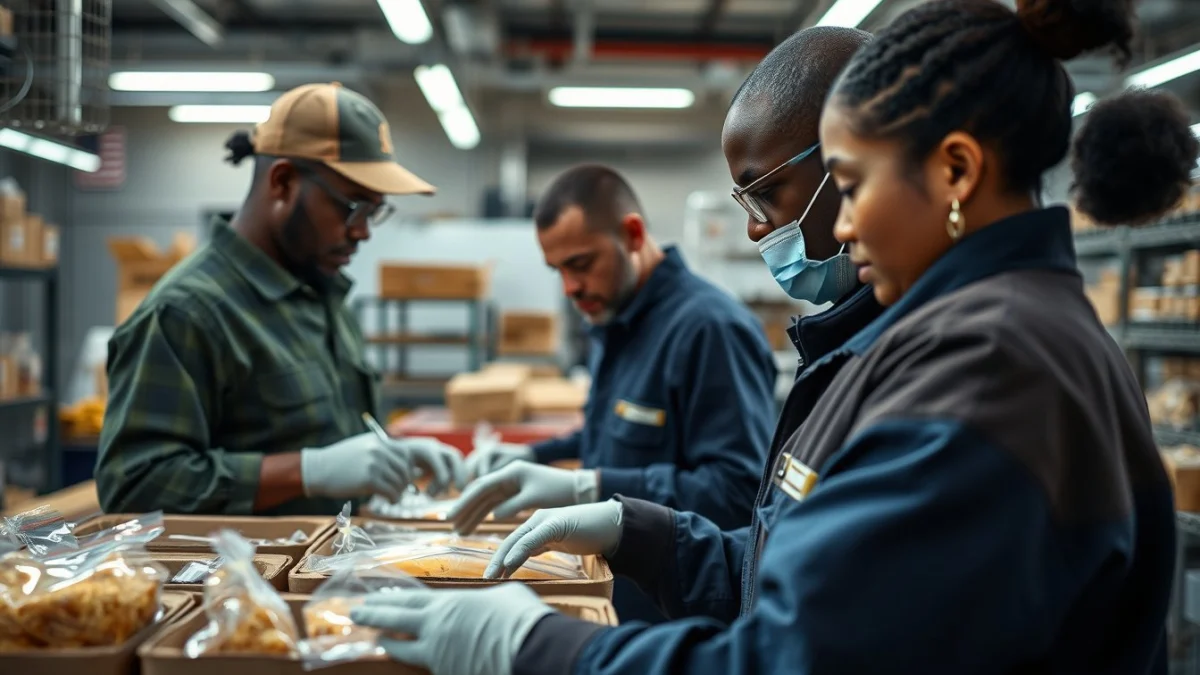
When sourcing raw materials, you must buy from trusted suppliers. A good supplier delivers consistent, clean, and safe ingredients. Check if they follow food safety rules and have proper certificates. This reduces the risk of problems in your food.
Inspecting raw materials means examining them carefully on arrival. This can include:
- Looking at appearance and colour
- Smelling for any bad odours
- Touching to check texture and freshness
- Verifying packaging is sealed and undamaged
- Checking documentation like delivery notes and certificates
Always reject raw materials that are dirty, have pests, or show signs of spoilage. Also, measure important factors like temperature or moisture if your process requires it.
Good record-keeping is important during sourcing and inspecting raw materials. Keep track of supplier details, inspection results, and any problems found. This helps to manage stock well and improve quality over time.
Handling raw materials properly after inspection is also key. Store them in clean, dry, and temperature-controlled areas. Use first-in, first-out (FIFO) to avoid spoilage.
In summary, sourcing and inspecting raw materials helps to:
- Ensure safety by avoiding contamination
- Maintain product quality and consistency
- Reduce wastage and cost
- Meet legal and customer requirements
Following clear steps in sourcing and inspecting raw materials builds a strong foundation for successful food manufacturing. It protects both the company and the consumer.
Live Scenario • Active Situation
You are a raw materials inspector at a food manufacturing plant.
There is no single perfect answer. Choose what you would do in this situation.
