
Overview of the Food Manufacturing Industry in South Africa
Key Facts About South Africa’s Food Manufacturing Industry
The Overview of the Food Manufacturing Industry in South Africa shows that this sector is one of the largest parts of the country’s economy. It plays a vital role in providing food products to local communities and creating jobs. The industry covers many types of food processing, from fresh produce to packaged goods.
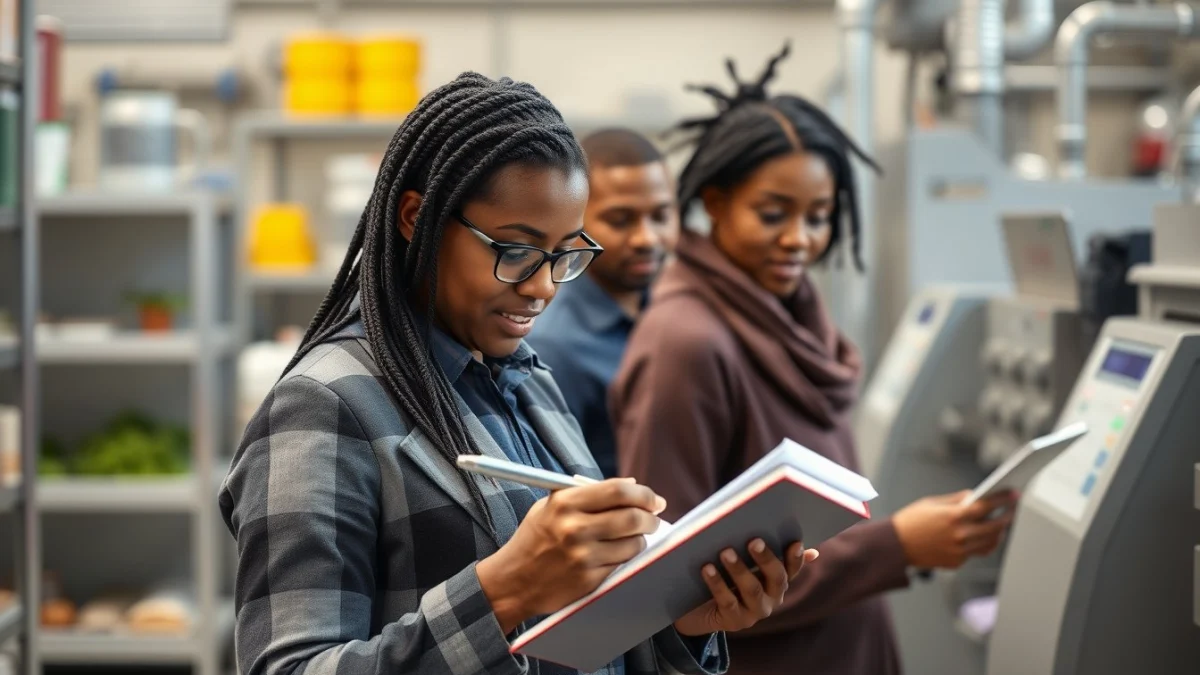
Food manufacturing in South Africa transforms raw materials like grains, vegetables, fruits, meat, and dairy into products ready for consumers. These include bread, canned goods, snacks, frozen foods, and beverages. The industry adds value, helping farmers sell their crops and livestock at better prices.
Many food manufacturers follow strict safety and quality standards to ensure that food is safe to eat. These rules are set by government bodies such as the Department of Health and the South African Bureau of Standards. Compliance with these standards is important for local sales and exports.
Main Areas in Food Manufacturing
- Processing of cereals and baked goods
- Meat and poultry packaging
- Dairy products like milk, cheese, and yoghurt
- Fruits and vegetables canning and freezing
- Production of snacks and confectionery
- Manufacture of beverages including juices and soft drinks
The food manufacturing industry in South Africa also supports small and medium-sized enterprises (SMEs). Many businesses locally produce traditional and speciality foods. This diversity helps keep the market competitive and innovative.
In terms of employment, the industry provides many jobs, from factory floor workers to quality control specialists. It is a key sector for skills development, offering training in food science, engineering, and production management.
Another important part is exporting. South Africa sends food products to neighbouring countries and international markets. Being part of global food supply chains helps the industry grow and improve its technology.
Challenges exist, such as fluctuating raw material prices, supply chain disruptions, and the need to adopt sustainable practices. Companies are working to use resources better, reduce waste, and lower their environmental impact.
In summary, the Overview of the Food Manufacturing Industry in South Africa highlights a dynamic, vital sector. It supports the economy, feeds millions, creates jobs, and connects South Africa to the global market. Understanding these facts helps learners appreciate the importance and opportunities within food manufacturing.
Live Scenario • Active Situation
You are a quality control officer at a South African food manufacturing plant processing dairy products and baked goods.
There is no single perfect answer. Choose what you would do in this situation.
