
Importance of Food Safety and Quality in Manufacturing
The importance of food safety and quality in manufacturing cannot be overstated. Food manufacturers in South Africa must ensure that the products they create are safe to eat and meet high-quality standards. This protects consumers’ health and keeps them confident in the food they buy.
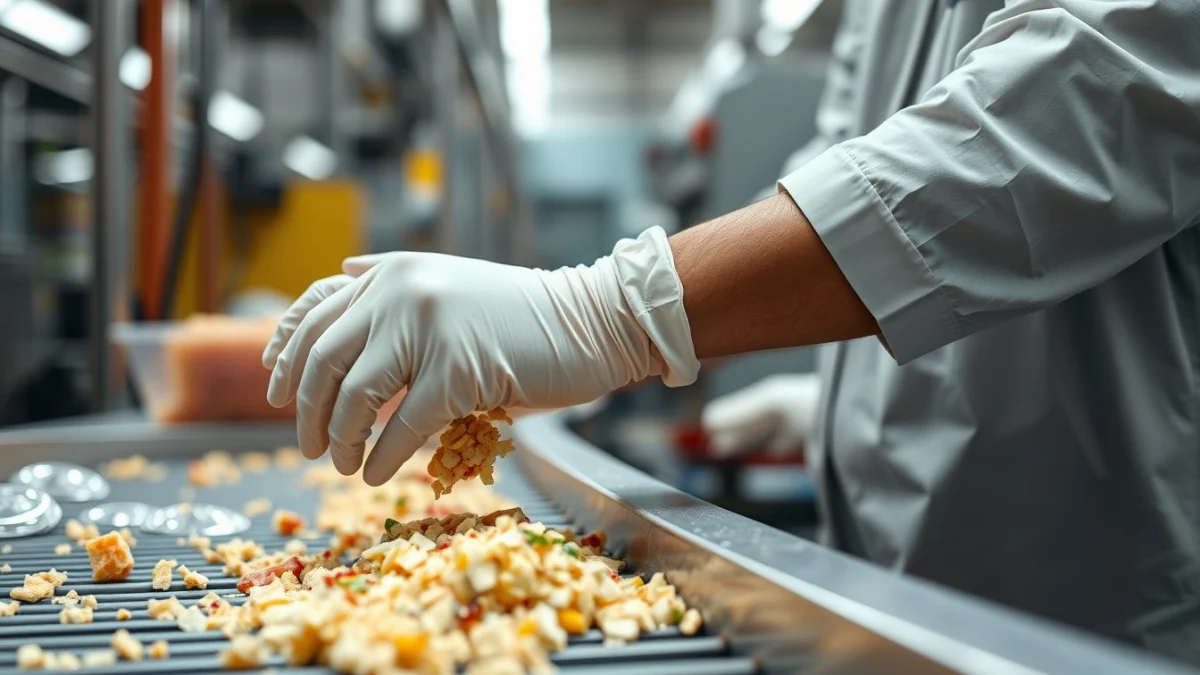
Food safety means making sure food is free from harmful bacteria, chemicals, and physical dangers. Without proper safety practices, people can get sick from food poisoning or contamination. Quality refers to the freshness, taste, appearance, and nutritional value of the food. Both safety and quality affect how long food lasts on shelves and how well it performs in the market.
Why Food Safety and Quality Matter in Manufacturing
In food manufacturing, many steps can affect food safety and quality. Ingredients must be stored correctly, machines must be clean, and workers should follow hygiene rules. If one step is ignored, it can cause problems throughout production.
- Protect consumer health: Safe food prevents illness and protects the community.
- Build trust with customers: High-quality food keeps buyers coming back and supports brand reputation.
- Meet legal requirements: South African laws require food manufacturers to follow rules that keep food safe and labelled properly.
- Reduce product waste: Quality control helps spot problems early, reducing spoiled food and financial loss.
- Support exports and growth: Good safety and quality open markets locally and internationally.
Without strong food safety and quality control, manufacturers risk recalls, legal fines, and damage to their businesses. This can also lead to serious health problems for consumers which can harm communities.
To maintain food safety and quality, manufacturers use systems like HACCP (Hazard Analysis and Critical Control Points). This system finds risks during production and sets up checks to prevent mistakes. Training staff, using clean equipment, and regularly testing products are also essential.
In summary, the importance of food safety and quality in manufacturing is to keep food safe, tasty, and reliable. This protects consumers, complies with laws, and helps businesses grow. Every step in food production should focus on maintaining these standards for the best results.
Live Scenario • Active Situation
You are a quality control supervisor at a South African food manufacturing plant.
There is no single perfect answer. Choose what you would do in this situation.
