
Packaging Materials and Their Safety
Packaging Materials and Their Safety are very important in the food manufacturing industry. The right packaging keeps food fresh, protects it from damage, and stops contamination. This helps ensure that food is safe for consumers to eat and lasts longer on store shelves.
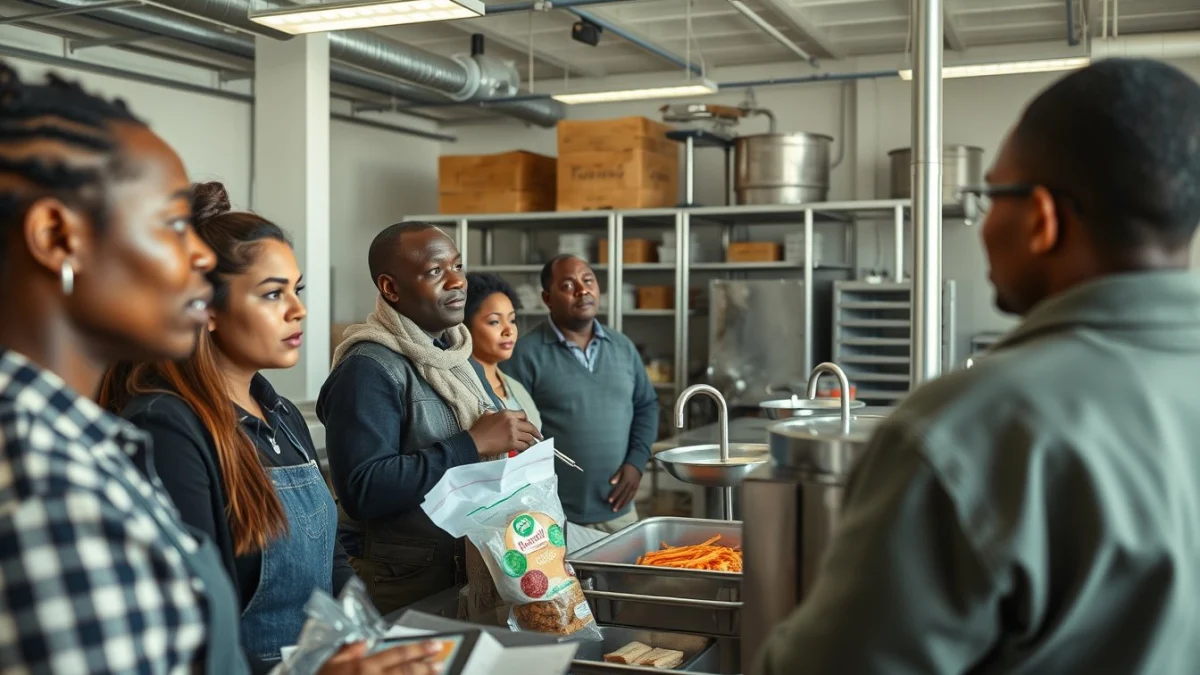
Types of Packaging Materials Used in Food Manufacturing
There are several materials used for food packaging, each with safety rules to follow. Common materials include:
- Plastics: Widely used because they are lightweight and flexible. Plastics like PET, HDPE, and LDPE are common. They must be food-grade to prevent chemicals from leaking into food.
- Glass: Safe and non-reactive, glass does not affect the taste or safety of food. It is reusable and recyclable but can break easily.
- Metal: Includes aluminium and steel, often used for cans. Metal packaging protects food from light and air but must have a lining to stop corrosion and contamination.
- Paper and Cardboard: Used for dry foods and outer packaging. Must have coatings or barriers to prevent moisture and grease from damaging the food inside.
Ensuring Safety of Packaging Materials
Packaging materials need to meet safety standards set by food safety authorities in South Africa, such as the Department of Health and the National Regulator for Compulsory Specifications (NRCS). Here are key safety points:
- Food Contact Safety: Packaging must not release harmful substances into food. Only certified food-grade materials should be used.
- Barrier Properties: The material should protect food from moisture, oxygen, light, and microbes to prevent spoilage and contamination.
- Durability: Packaging must withstand transport and storage without breaking, leaking, or contaminating the food.
- Labeling Compliance: Packaging should allow clear and accurate labels with information about ingredients, date, and safety warnings.
- Environmental Safety: Food packaging must be safe for the environment when disposed of or recycled.
Manufacturers must ensure that packaging materials are tested regularly for safety and suitability. Using unsafe packaging can cause health problems and damage the brand’s reputation. Always choose the best packaging materials that keep food safe and fresh.
Live Scenario • Active Situation
You are a packaging quality supervisor at a food manufacturing plant.
There is no single perfect answer. Choose what you would do in this situation.
