
Responsibilities of Food Manufacturers under the Law
Understanding Your Legal Duties as a Food Manufacturer
The Responsibilities of Food Manufacturers under the Law are important to ensure food safety and protect consumers. Food manufacturers must follow specific rules set by South African authorities, such as the Department of Health and the National Regulator for Compulsory Specifications (NRCS).
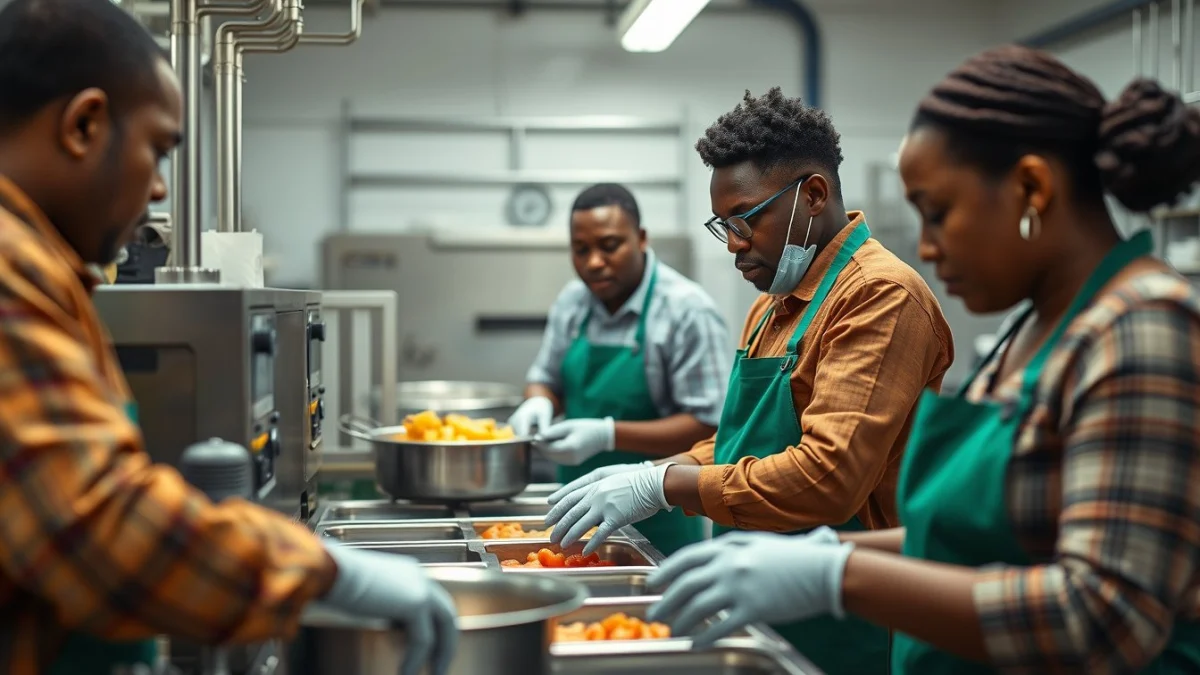
These legal responsibilities help prevent food contamination, ensure products are safe to eat, and maintain high hygiene standards throughout the manufacturing process.
Key Legal Responsibilities for Food Manufacturers
- Comply with Food Safety Standards: Manufacturers must follow the Foodstuffs, Cosmetics and Disinfectants Act and related regulations. This includes using approved ingredients, handling food safely, and maintaining cleanliness.
- Implement Hazard Analysis and Critical Control Points (HACCP): A system to identify and control risks in production to prevent hazards.
- Maintain Proper Labelling: Labels must include correct product information, ingredients, expiry dates, batch numbers, and allergen warnings.
- Keep Accurate Records: Manufacturers must document processes, quality checks, and incidents to provide traceability.
- Respond to Food Safety Issues: If a problem arises, manufacturers must recall unsafe products and inform authorities promptly.
By meeting these responsibilities, food manufacturers protect public health and build consumer trust. Staying informed about changes in food laws and regular staff training are also part of legal compliance.
Live Scenario • Active Situation
You are the Quality Control Supervisor at a South African food manufacturing plant.
There is no single perfect answer. Choose what you would do in this situation.
