
Implementing Food Manufacturing Fundamentals in Practice
How to Apply Food Manufacturing Basics Successfully
Implementing Food Manufacturing Fundamentals in Practice means using the simple, important rules of food production to make safe and quality food. This helps factories work well, reduce waste, and meet legal requirements. Below we explain key actions to take when putting these fundamentals into your daily work.
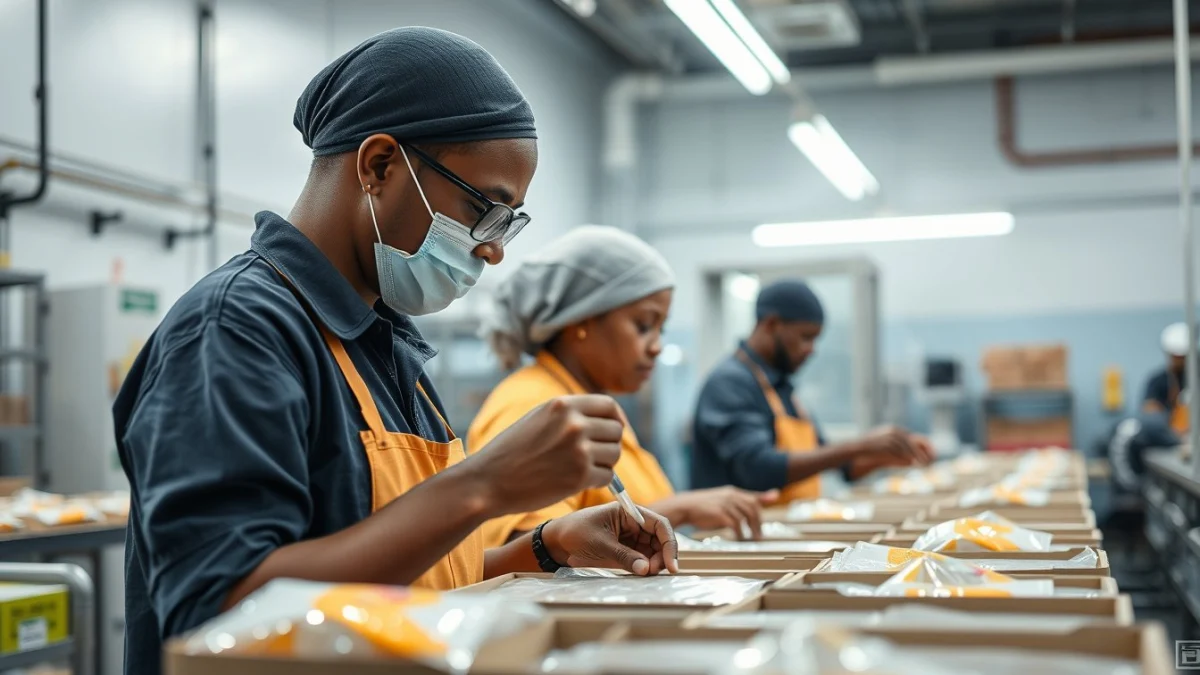
Key Steps to Follow in Food Manufacturing
- Understand the Basics
Know the core principles like hygiene, temperature control, and proper storage. This forms the foundation for safe food handling. - Plan Your Production
Use a clear process map that shows each step, from raw materials to finished products. This helps spot risks and control points. - Maintain Cleanliness
Regularly clean equipment, surfaces, and work areas. Use correct cleaning agents and follow schedules strictly. - Control Temperature
Keep foods at the right temperatures during cooking, cooling, and storage to stop bacteria growth. - Train Workers
Teach all staff about food safety, handling, and manufacturing principles. Use simple language and practical examples. - Document Everything
Keep records of cleaning, temperature checks, and equipment maintenance. This proves compliance and helps trace problems. - Check Quality Regularly
Test samples during and after production. Look for changes in taste, colour, smell, or texture, and take action if needed.
Every food manufacturer must follow laws and standards like those set by the Department of Health and local authorities. Implementing Food Manufacturing Fundamentals in Practice ensures you meet these rules and protect consumers.
Using these steps brings many benefits. It improves product quality, lowers chances of contamination, cuts down on waste, and boosts customer trust. It also makes work easier and safer for everyone on site.
Focus on continuous learning and improvements. Regularly review processes and ask for feedback. This keeps your food manufacturing running smoothly and safely.
Live Scenario • Active Situation
You are a food production supervisor in a food manufacturing plant.
There is no single perfect answer. Choose what you would do in this situation.
