What Food Manufacturing Really Means
If you’ve searched for a Free Food Manufacturing Fundamentals Course with Certificate in South Africa, you probably want to know exactly what food manufacturing is—and why it matters in your workplace or community. Simply put, food manufacturing is the process of turning raw ingredients into the food products we buy and eat every day.
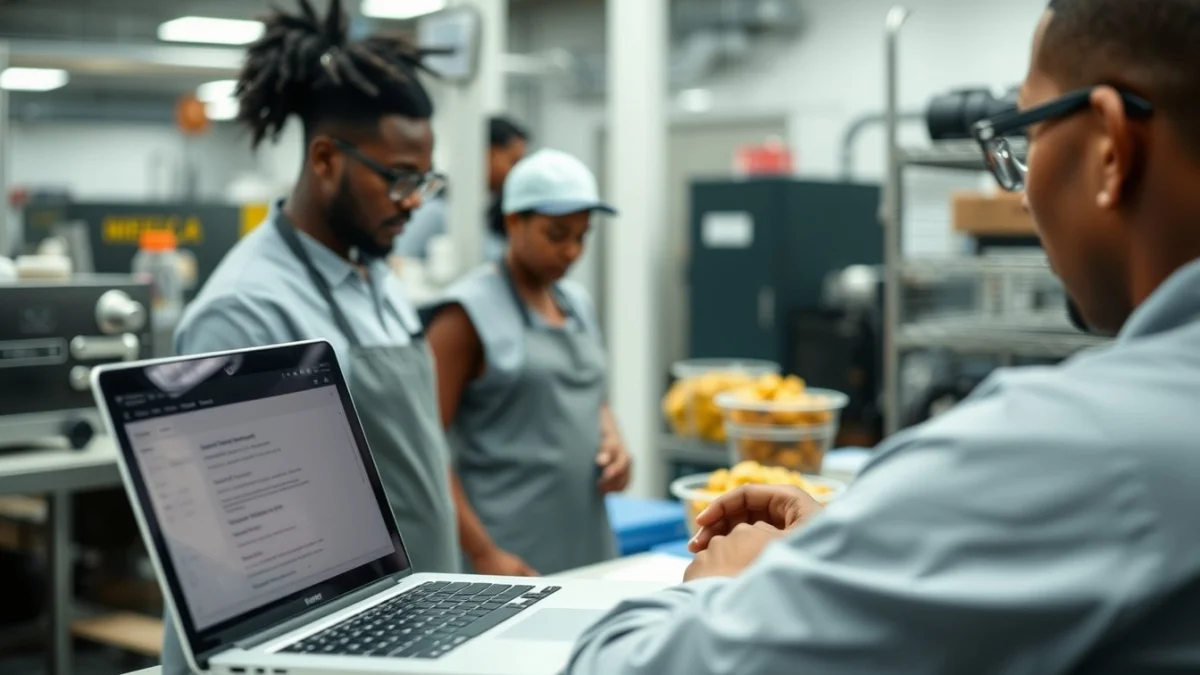
This isn’t just about cooking or packaging. It includes every step like sourcing raw materials, processing, hygiene, safety, quality control, packaging, and distribution. Many beginners think it’s just about making food tasty or pretty, but the real challenge is doing it safely and legally to keep South African consumers healthy while meeting industry standards.
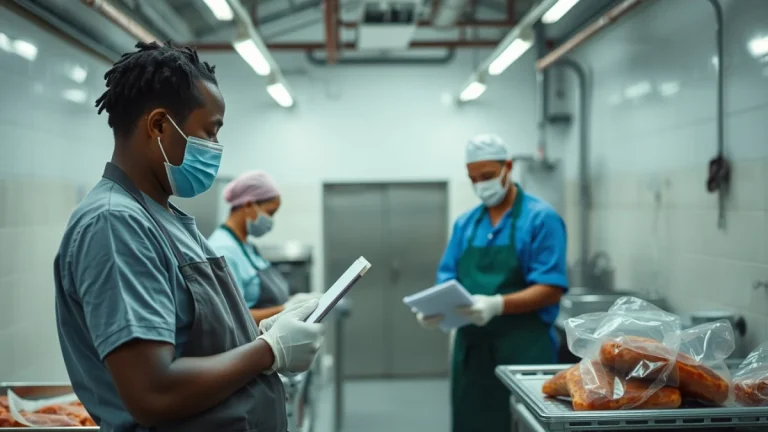
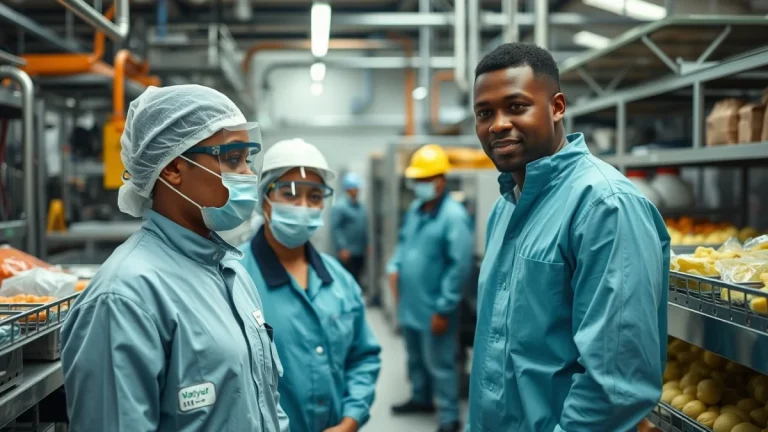
Imagine being on a factory floor monitoring machines, managing hygiene, and tracking every ingredient in a busy production line—this is the kind of environment the Food Manufacturing Fundamentals course prepares you for. Understanding this helps avoid costly mistakes or safety breaches that can lead to product recalls or worse, health risks.
The Heart of Food Manufacturing Explained
What Food Manufacturing Covers
Food manufacturing covers all the activities involved in turning farm produce or raw materials into finished food products. This includes:
- Sourcing and inspecting raw materials to ensure quality and safety
- Processing food using methods like heating, freezing, mixing, or fermenting
- Strict hygiene standards for workers and workplaces to prevent contamination
- Packaging the food safely and labelling it according to South African laws
- Storing and transporting products under proper conditions to maintain safety
- Implementing quality controls and documenting everything to comply with regulations
- Managing workplace safety and emergency preparedness
Why It Matters at Work
Food manufacturing isn’t just about cooking. It’s a complex system where small mistakes—like a lapse in hygiene or wrong storage temperature—can lead to foodborne illnesses or legal trouble. In South African factories, compliance with food safety laws isn’t optional; it’s closely inspected, with heavy penalties for breaches.
For workers, understanding these fundamentals means safer jobs and better products. For employers, it means fewer risks and stronger business. For customers, it ensures they get safe, quality food.
A Day in the Life: What Happens in a Food Production Plant?
On any busy day in a South African food manufacturing plant, you’ll see staff cleaning equipment before starting shifts, checking incoming raw materials for freshness and contamination, and measuring temperatures carefully at every stage.
Food handlers wear protective clothing, wash their hands regularly, and follow clear procedures to avoid cross-contamination. Machines whirr as ingredients are mixed and processed, then packaged with labelling that tells consumers what’s inside, how long it lasts, and any allergens.
Behind the scenes, supervisors keep detailed logs, test samples for quality, and prepare for regular inspections. Emergencies—like a spill or equipment fault—are handled with trained safety protocols. These layers protect both people and products.
Common Beginner Mistakes in Food Manufacturing
- Underestimating Hygiene Impact: Not washing hands or wearing PPE properly can contaminate entire batches.
- Ignoring Storage Rules: Storing raw materials or finished goods at wrong temperatures causes spoilage and health risks.
- Overlooking Documentation: Skipping records makes it impossible to trace problems or prove compliance during inspections.
- Misinterpreting Regulations: Not fully understanding South African food safety laws can lead to non-compliance and legal penalties.
These errors aren’t just theoretical—they can shut down production lines or damage reputations.
Tips for Beginners in Food Manufacturing
- Learn South African food safety laws early—you’ll save time and avoid mistakes.
- Always follow hygiene protocols strictly; new habits take practice but protect everyone.
- Keep good records daily; it’s your proof of doing things right.
- Ask questions and observe experienced workers to pick up practical tips.
- Stay curious about the equipment and processes—it helps spot issues before they happen.